Canonical name: The scientific name without its authorship or date, for example Zea mays instead of Zea mays L. — The scientific name without its authorship or date, for example Zea mays instead of Zea mays L.
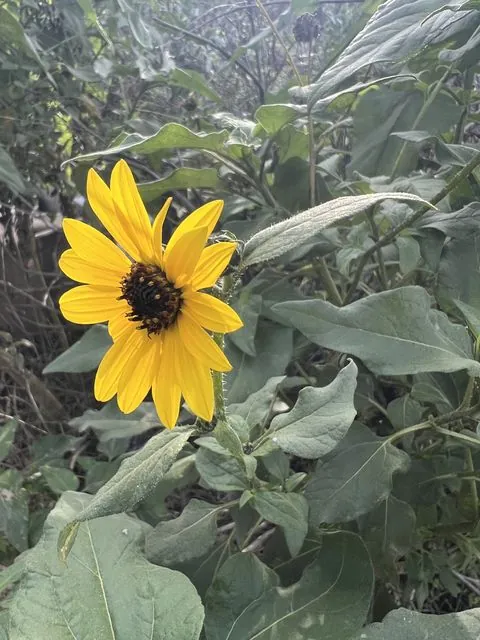
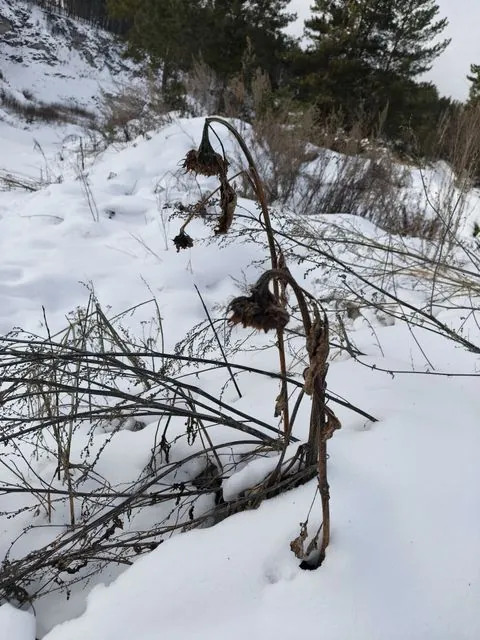
Helianthus annuus
Authorship: The author or authors credited with publishing the scientific name. It is written after the name, sometimes with the year, for example L. (Linnaeus) in Zea mays L. An author in parentheses first published the name in another genus or rank. — The author or authors credited with publishing the scientific name. It is written after the name, sometimes with the year, for example L. (Linnaeus) in Zea mays L. An author in parentheses first published the name in another genus or rank.
L.
Common names
Sunflower, common sunflower, Annual Sunflower, Mirasol, Ornamental Sunflower, Wild Sunflower, garden sunflowerNames in other languages (110)Acahual, Almindelig solsikke, Auringonkukka, Aycicegi, Beni anyi, Blodau'r Haul, Blodyn yr Haul, Bunga Matahari, Chirasol, Einjaehrige Sonnenblume, Floarea soarelui, Floarea-soarelui, Gewöhnliche Sonnenblume, Gira-sol, Girasol, Girasole, Girasole comune, Girassol, Günəbaxan, Hamanit metzuya, Helianthe annuel, Helianto, Hélianthe annuel, Grand soleil, Tournesol, Hélianthe annuel, Tournesol, Fleur soleil, Grand soleil, Hướng dương, Inti wayta, Kembang Matahari, Kembang srengéngé, Napraforgó, Neòinean-grèine, Nidíyílii, Paprastoji saulėgrąža, Paʼaqily, Pokok Bunga Matahari, Pǟvapusk, Sanruus, Saulespuķe, Saulgrieze, Soleil d'or, Sonnenblume, Suncokret, Sunflower (EN); Sonnenblume (DE); Girasol (ES), Słonecznik zwyczajny, Sōlate, Tikroji saulėgrąža, Tournesol, Tournesol, Soleil, Hélianthe annuel, Tsimanoundrou lanitri, Turnesol, Vasaras saulgrieze, Virasolelh, Xirasol, Ziinda`aagan, Zonnebloem, alizeti, ayçiçeği, beaiveruvsu, beaivvášlieđđi, grand soleil, haebaragi, harilik päevalill, himawari, hélianthe annuel, ilios, isoauringonkukka, közönséges napraforgó, navadna sončnica, paakü', päevalill, slnečnica ročná, slune, slunečnice roční, soleil, solros, solsikke, solvendel, sonneblom, sunfloro, valihana, xaricámata, Ηλίανθος, Наран цэцэг, Подсолнечник однолетний, Слънчоглед, Сончоглед, Соняшник, Соняшник звичайний, Соняшник однорічний, Сунцокрет, Хĕвелçаврăнăш, חמניה, חמנית מצויה, تباع الشمس, دوار الشمس, دوار الشمس الحولي, زهرة الشمس, عبّاد الشمس, لمرګلی, ميال الشمس, सूरजमुखी, सूर्यफूल, সূর্যমুখী, ప్రొద్దు తిరుగుడు, സൂര്യകാന്തി, ทานตะวัน, နေကြာ, ზეთის მზესუმზირა, ヒマワリ, 向日葵, 해바라기
Kingdom: One of the broadest ranks of biological classification. It groups organisms that share very basic features, for example plants (Plantae), animals (Animalia) or fungi (Fungi). — One of the broadest ranks of biological classification. It groups organisms that share very basic features, for example plants (Plantae), animals (Animalia) or fungi (Fungi).
Plantae
Phylum: Rank below kingdom that groups organisms with a shared general body plan, for example chordates (Chordata), arthropods (Arthropoda) or vascular plants (Tracheophyta). In botany the same rank is also called division. — Rank below kingdom that groups organisms with a shared general body plan, for example chordates (Chordata), arthropods (Arthropoda) or vascular plants (Tracheophyta). In botany the same rank is also called division.
Tracheophyta
Class: Rank below phylum, for example mammals (Mammalia), birds (Aves), insects (Insecta) or monocot plants such as grasses and orchids (Liliopsida). — Rank below phylum, for example mammals (Mammalia), birds (Aves), insects (Insecta) or monocot plants such as grasses and orchids (Liliopsida).
Magnoliopsida
Order: Rank below class that groups related families, for example grasses and their relatives (Poales) or bats (Chiroptera). — Rank below class that groups related families, for example grasses and their relatives (Poales) or bats (Chiroptera).
Asterales
Family: Rank below order that groups related genera. Family names usually end in -aceae in botany (for example Poaceae, the grass family) and in -idae in zoology (for example Felidae, the cat family). — Rank below order that groups related genera. Family names usually end in -aceae in botany (for example Poaceae, the grass family) and in -idae in zoology (for example Felidae, the cat family).
Asteraceae
Genus: Rank that groups closely related species. Its name is the first word of a species' scientific name and starts with a capital letter, for example Zea in Zea mays. — Rank that groups closely related species. Its name is the first word of a species' scientific name and starts with a capital letter, for example Zea in Zea mays.
Helianthus
Specific epithet: The second word of a species' scientific name. On its own it does not name the species: it always goes with the genus, for example mays in Zea mays. — The second word of a species' scientific name. On its own it does not name the species: it always goes with the genus, for example mays in Zea mays.
annuus
Taxonomic rank: The level a name occupies in the hierarchy of biological classification, such as kingdom, family, genus, species or subspecies. — The level a name occupies in the hierarchy of biological classification, such as kingdom, family, genus, species or subspecies.
species
Reference species
Helianthus annuus
Taxonomic status: Whether the taxonomic catalogue the record comes from currently accepts this name for the organism, or treats it as a synonym of another accepted name or as doubtful. — Whether the taxonomic catalogue the record comes from currently accepts this name for the organism, or treats it as a synonym of another accepted name or as doubtful.
accepted name
Photos and conservation status
IUCN Red List category: The extinction-risk category that the International Union for Conservation of Nature (IUCN) assigns to a species on its Red List. EX Extinct: there is no reasonable doubt that the last individual has died. EW Extinct in the wild: it survives only in cultivation, in captivity or as a population far outside its past range. CR Critically endangered, EN Endangered and VU Vulnerable: the three threatened categories, from an extremely high to a high risk of extinction in the wild. NT Near threatened: close to qualifying as threatened. LC Least concern: evaluated and not threatened. DD Data deficient: there is not enough information to assess its risk. NE Not evaluated: not yet assessed against the criteria. It describes the risk of the species worldwide, not its situation in a project's area. — The extinction-risk category that the International Union for Conservation of Nature (IUCN) assigns to a species on its Red List. EX Extinct: there is no reasonable doubt that the last individual has died. EW Extinct in the wild: it survives only in cultivation, in captivity or as a population far outside its past range. CR Critically endangered, EN Endangered and VU Vulnerable: the three threatened categories, from an extremely high to a high risk of extinction in the wild. NT Near threatened: close to qualifying as threatened. LC Least concern: evaluated and not threatened. DD Data deficient: there is not enough information to assess its risk. NE Not evaluated: not yet assessed against the criteria. It describes the risk of the species worldwide, not its situation in a project's area.
Least concern (LC)
Source: IUCN Red List via GBIF, queried on 2026-10-09 09:16.
Research-grade iNaturalist observations via GBIF, CC0 or CC BY licences only, queried on 2026-10-09 09:16.
Interacciones documentadas
GloBI says it is documented somewhere in the world. Biolitica answers whether it could happen here.
A documented interaction means it was recorded somewhere in the world. It does not mean it occurs here.
Types shown: 12 of 17
has its flowers visited by
×
interacts with (this species is the record's destination)
×
is pollinated by
×
is a host of
×
is eaten by
×
is visited by
×
interacts with (this species is the record's origin)
×
has as a parasite
×
is adjacent to
×
is a mutualist of
×
is preyed upon by
×
co-occurs ecologically with
×
5 more types with data for this species
Blocks that do not sit under a navigation concept heading keep the source's own term: no navigation concept has been assigned to them yet.
Flower visit
has its flowers visited by
818 organisms
The authority declares no effect on this species for this term: neither that it harms it nor that it benefits it. Visiting a flower is not pollinating it. «Pollinates» is a different term and a different block, and merging the two is the measured defect that turned ~88 shared «pollinators» into birds and primates.
Organism
Reads as
Studies
Where it was documented
Actions
Common Eastern Bumble BeeBombus impatiensApidae
has its flowers visited by
376
not compared
376 sources · 522 records
https://www.bumblebeewatch.org/metadata/
Published in globalbioticinteractions/gbif-us-bees
Record contexts (sample): no place published · Aug. 9, 2024 · Human observation; no place published · Sept. 14, 2024 · Human observation
Claim type
Published relationship between two taxa
Version
GloBI 0.11
Reuse
This release publishes no reuse terms for this record.
no place published · Aug. 9, 2024 · Human observationAs published: 2024-08-09T00:00:00Z · HumanObservationWhere it is: line:hash://sha256/021a206a1459bcca7e251c73f5bd180fc3ac342a09c499855fe42e21fc09edcf!/interactions.tsv.gz!/L3408030
no place published · Sept. 14, 2024 · Human observationAs published: 2024-09-14T00:00:00Z · HumanObservationWhere it is: line:hash://sha256/021a206a1459bcca7e251c73f5bd180fc3ac342a09c499855fe42e21fc09edcf!/interactions.tsv.gz!/L3409183
no place published · Sept. 14, 2024 · Human observationAs published: 2024-09-14T00:00:00Z · HumanObservationWhere it is: line:hash://sha256/021a206a1459bcca7e251c73f5bd180fc3ac342a09c499855fe42e21fc09edcf!/interactions.tsv.gz!/L3409313
And 141 more records of this source, not listed here.
Record contexts (sample): no place published · Aug. 13, 2013 · Human observation; no place published · Aug. 13, 2013 · Human observation
Claim type
Published relationship between two taxa
Version
GloBI 0.11
Reuse
This release publishes no reuse terms for this record.
no place published · Aug. 13, 2013 · Human observationAs published: 2013-08-13T23:05:29Z · HumanObservationWhere it is: line:hash://sha256/021a206a1459bcca7e251c73f5bd180fc3ac342a09c499855fe42e21fc09edcf!/interactions.tsv.gz!/L4951990
no place published · Aug. 13, 2013 · Human observationAs published: 2013-08-13T23:05:29Z · HumanObservationWhere it is: line:hash://sha256/021a206a1459bcca7e251c73f5bd180fc3ac342a09c499855fe42e21fc09edcf!/interactions.tsv.gz!/L4951991
Record contexts (sample): no place published · Aug. 3, 2020 · Human observation; no place published · Aug. 3, 2020 · Human observation
Claim type
Published relationship between two taxa
Version
GloBI 0.11
Reuse
This release publishes no reuse terms for this record.
no place published · Aug. 3, 2020 · Human observationAs published: 2020-08-03T13:35:42Z · HumanObservationWhere it is: line:hash://sha256/021a206a1459bcca7e251c73f5bd180fc3ac342a09c499855fe42e21fc09edcf!/interactions.tsv.gz!/L5527876
no place published · Aug. 3, 2020 · Human observationAs published: 2020-08-03T13:35:42Z · HumanObservationWhere it is: line:hash://sha256/021a206a1459bcca7e251c73f5bd180fc3ac342a09c499855fe42e21fc09edcf!/interactions.tsv.gz!/L5527877
Records of organisms other than plants having flower visitors are probably errors
Published in globalbioticinteractions/refuted-biotic-interactions-by-eol
Record contexts (sample): no place published · no date published; no place published · no date published
Claim type
Published relationship between two taxa
Version
GloBI 0.11
Reuse
This release publishes no reuse terms for this record.
no place published · no date publishedWhere it is: line:hash://sha256/021a206a1459bcca7e251c73f5bd180fc3ac342a09c499855fe42e21fc09edcf!/refuted-interactions.tsv.gz!/L4783
no place published · no date publishedWhere it is: line:hash://sha256/021a206a1459bcca7e251c73f5bd180fc3ac342a09c499855fe42e21fc09edcf!/refuted-interactions.tsv.gz!/L73503
No public URL for this record
Robertson, C. 1929. Flowers and insects: lists of visitors to four hundred and fifty-three flowers. Carlinville, IL, USA, C. Robertson.
Published in millerse/Flowers-and-insects-lists-of-visitors-to-four-hundred-and-fifty-three-flowers
Context: southwestern Illinois, USA · no date published
Claim type
Published relationship between two taxa
Version
GloBI 0.11
Reuse
This release publishes no reuse terms for this record.
southwestern Illinois, USA · no date publishedWhere it is: line:hash://sha256/021a206a1459bcca7e251c73f5bd180fc3ac342a09c499855fe42e21fc09edcf!/interactions.tsv.gz!/L36638
No public URL for this record
https://www.inaturalist.org/observations/99224099
Published in globalbioticinteractions/inaturalist
Context: no place published · Oct. 24, 2021 · Human observation
Claim type
Published relationship between two taxa
Version
GloBI 0.11
Reuse
This release publishes no reuse terms for this record.
no place published · Oct. 24, 2021 · Human observationAs published: 2021-10-24T15:35:25Z · HumanObservationWhere it is: line:hash://sha256/021a206a1459bcca7e251c73f5bd180fc3ac342a09c499855fe42e21fc09edcf!/interactions.tsv.gz!/L4450247
Context: no place published · Sept. 13, 2022 · Human observation
Claim type
Published relationship between two taxa
Version
GloBI 0.11
Reuse
This release publishes no reuse terms for this record.
no place published · Sept. 13, 2022 · Human observationAs published: 2022-09-13T14:27:52Z · HumanObservationWhere it is: line:hash://sha256/021a206a1459bcca7e251c73f5bd180fc3ac342a09c499855fe42e21fc09edcf!/interactions.tsv.gz!/L4488396
Context: no place published · Sept. 5, 2021 · Human observation
Claim type
Published relationship between two taxa
Version
GloBI 0.11
Reuse
This release publishes no reuse terms for this record.
no place published · Sept. 5, 2021 · Human observationAs published: 2021-09-05T15:33:01Z · HumanObservationWhere it is: line:hash://sha256/021a206a1459bcca7e251c73f5bd180fc3ac342a09c499855fe42e21fc09edcf!/interactions.tsv.gz!/L4491793
And 368 more sources, with fewer records, not listed here.
A published relationship says these two taxa were documented interacting. It does not say how often, or that it happens in this project's region.
European Honey BeeApis melliferaApidae
has its flowers visited by
140
not compared
140 sources · 152 records
Records of organisms other than plants having flower visitors are probably errors
Published in globalbioticinteractions/refuted-biotic-interactions-by-eol
Record contexts (sample): no place published · no date published; no place published · no date published
Claim type
Published relationship between two taxa
Version
GloBI 0.11
Reuse
This release publishes no reuse terms for this record.
no place published · no date publishedWhere it is: line:hash://sha256/021a206a1459bcca7e251c73f5bd180fc3ac342a09c499855fe42e21fc09edcf!/refuted-interactions.tsv.gz!/L20315
no place published · no date publishedWhere it is: line:hash://sha256/021a206a1459bcca7e251c73f5bd180fc3ac342a09c499855fe42e21fc09edcf!/refuted-interactions.tsv.gz!/L21526
no place published · no date publishedWhere it is: line:hash://sha256/021a206a1459bcca7e251c73f5bd180fc3ac342a09c499855fe42e21fc09edcf!/refuted-interactions.tsv.gz!/L22938
And 3 more records of this source, not listed here.
No public URL for this record
Cyrille, N., Lelièvre, Y., Dumbardon-Martial, E. et al. Wild insect flower visitor assemblages and resource use in tropical gardens: driven by floral offer, modulated by honeybees. Biodivers Conserv 35, 213 (2026). https://doi.org/10.1007/s10531-026-03395-9. Accessed at <https:/…
Published in globalbioticinteractions/cyrille2026
Record contexts (sample): Martinique · 0023-09-07T00:00:00Z; Martinique · 0023-09-07T00:00:00Z
Claim type
Published relationship between two taxa
Version
GloBI 0.11
Reuse
This release publishes no reuse terms for this record.
Martinique · 0023-09-07T00:00:00ZAs published: 0023-09-07T00:00:00ZWhere it is: line:hash://sha256/021a206a1459bcca7e251c73f5bd180fc3ac342a09c499855fe42e21fc09edcf!/interactions.tsv.gz!/L11492972
Martinique · 0023-09-07T00:00:00ZAs published: 0023-09-07T00:00:00ZWhere it is: line:hash://sha256/021a206a1459bcca7e251c73f5bd180fc3ac342a09c499855fe42e21fc09edcf!/interactions.tsv.gz!/L11493121
Martinique · 0023-09-07T00:00:00ZAs published: 0023-09-07T00:00:00ZWhere it is: line:hash://sha256/021a206a1459bcca7e251c73f5bd180fc3ac342a09c499855fe42e21fc09edcf!/interactions.tsv.gz!/L11493341
And 2 more records of this source, not listed here.
Frankie, G. W., Thorp, R. W., Schindler, M., Hernandez, J., Ertter, B., & Rizzardi, M. (2005). Ecological Patterns of Bees and Their Host Ornamental Flowers in Two Northern California Cities. Journal of the Kansas Entomological Society, 78(3), 227246. https://doi.org/10.2317/040…
Published in Extended-Bee-Network/bee-interaction-database
Record contexts (sample): no place published · no date published; no place published · no date published
Claim type
Published relationship between two taxa
Version
GloBI 0.11
Reuse
This release publishes no reuse terms for this record.
no place published · no date publishedWhere it is: line:hash://sha256/021a206a1459bcca7e251c73f5bd180fc3ac342a09c499855fe42e21fc09edcf!/interactions.tsv.gz!/L1166229
no place published · no date publishedWhere it is: line:hash://sha256/021a206a1459bcca7e251c73f5bd180fc3ac342a09c499855fe42e21fc09edcf!/interactions.tsv.gz!/L1166316
no place published · no date publishedWhere it is: line:hash://sha256/021a206a1459bcca7e251c73f5bd180fc3ac342a09c499855fe42e21fc09edcf!/interactions.tsv.gz!/L1169410
And 1 more record of this source, not listed here.
Published in globalbioticinteractions/gbif-us-bees
Context: Rick's Spring, 3.2km NNE · July 29, 2021 · Preserved specimen
Claim type
Published relationship between two taxa
Version
GloBI 0.11
Reuse
This release publishes no reuse terms for this record.
Rick's Spring, 3.2km NNE · July 29, 2021 · Preserved specimenAs published: 2021-07-29T00:00:00Z · PreservedSpecimenWhere it is: line:hash://sha256/021a206a1459bcca7e251c73f5bd180fc3ac342a09c499855fe42e21fc09edcf!/interactions.tsv.gz!/L3405632
No public URL for this record
Robertson, C. 1929. Flowers and insects: lists of visitors to four hundred and fifty-three flowers. Carlinville, IL, USA, C. Robertson.
Published in millerse/Flowers-and-insects-lists-of-visitors-to-four-hundred-and-fifty-three-flowers
Context: southwestern Illinois, USA · no date published
Claim type
Published relationship between two taxa
Version
GloBI 0.11
Reuse
This release publishes no reuse terms for this record.
southwestern Illinois, USA · no date publishedWhere it is: line:hash://sha256/021a206a1459bcca7e251c73f5bd180fc3ac342a09c499855fe42e21fc09edcf!/interactions.tsv.gz!/L37343
No public URL for this record
https://www.inaturalist.org/observations/99751026
Published in globalbioticinteractions/inaturalist
Context: no place published · Oct. 29, 2021 · Human observation
Claim type
Published relationship between two taxa
Version
GloBI 0.11
Reuse
This release publishes no reuse terms for this record.
no place published · Oct. 29, 2021 · Human observationAs published: 2021-10-29T20:06:00Z · HumanObservationWhere it is: line:hash://sha256/021a206a1459bcca7e251c73f5bd180fc3ac342a09c499855fe42e21fc09edcf!/interactions.tsv.gz!/L4460383
Context: no place published · July 18, 2025 · Human observation
Claim type
Published relationship between two taxa
Version
GloBI 0.11
Reuse
This release publishes no reuse terms for this record.
no place published · July 18, 2025 · Human observationAs published: 2025-07-18T12:21:00Z · HumanObservationWhere it is: line:hash://sha256/021a206a1459bcca7e251c73f5bd180fc3ac342a09c499855fe42e21fc09edcf!/interactions.tsv.gz!/L4484764
Context: no place published · July 18, 2014 · Human observation
Claim type
Published relationship between two taxa
Version
GloBI 0.11
Reuse
This release publishes no reuse terms for this record.
no place published · July 18, 2014 · Human observationAs published: 2014-07-18T00:00:00Z · HumanObservationWhere it is: line:hash://sha256/021a206a1459bcca7e251c73f5bd180fc3ac342a09c499855fe42e21fc09edcf!/interactions.tsv.gz!/L4496567
And 132 more sources, with fewer records, not listed here.
A published relationship says these two taxa were documented interacting. It does not say how often, or that it happens in this project's region.
Ligated Furrow BeeHalictus ligatusHalictidae
has its flowers visited by
129
not compared
129 sources · 129 records
Robertson, C. 1929. Flowers and insects: lists of visitors to four hundred and fifty-three flowers. Carlinville, IL, USA, C. Robertson.
Published in millerse/Flowers-and-insects-lists-of-visitors-to-four-hundred-and-fifty-three-flowers
Context: southwestern Illinois, USA · no date published
Claim type
Published relationship between two taxa
Version
GloBI 0.11
Reuse
This release publishes no reuse terms for this record.
southwestern Illinois, USA · no date publishedWhere it is: line:hash://sha256/021a206a1459bcca7e251c73f5bd180fc3ac342a09c499855fe42e21fc09edcf!/interactions.tsv.gz!/L35431
No public URL for this record
https://www.inaturalist.org/observations/98809148
Published in globalbioticinteractions/inaturalist
Context: no place published · Oct. 20, 2021 · Human observation
Claim type
Published relationship between two taxa
Version
GloBI 0.11
Reuse
This release publishes no reuse terms for this record.
no place published · Oct. 20, 2021 · Human observationAs published: 2021-10-20T17:52:30Z · HumanObservationWhere it is: line:hash://sha256/021a206a1459bcca7e251c73f5bd180fc3ac342a09c499855fe42e21fc09edcf!/interactions.tsv.gz!/L4441941
Context: no place published · Oct. 20, 2021 · Human observation
Claim type
Published relationship between two taxa
Version
GloBI 0.11
Reuse
This release publishes no reuse terms for this record.
no place published · Oct. 20, 2021 · Human observationAs published: 2021-10-20T18:48:54Z · HumanObservationWhere it is: line:hash://sha256/021a206a1459bcca7e251c73f5bd180fc3ac342a09c499855fe42e21fc09edcf!/interactions.tsv.gz!/L4441989
Context: no place published · Aug. 10, 2025 · Human observation
Claim type
Published relationship between two taxa
Version
GloBI 0.11
Reuse
This release publishes no reuse terms for this record.
no place published · Aug. 10, 2025 · Human observationAs published: 2025-08-10T14:18:48Z · HumanObservationWhere it is: line:hash://sha256/021a206a1459bcca7e251c73f5bd180fc3ac342a09c499855fe42e21fc09edcf!/interactions.tsv.gz!/L4578635
Context: no place published · July 8, 2011 · Human observation
Claim type
Published relationship between two taxa
Version
GloBI 0.11
Reuse
This release publishes no reuse terms for this record.
no place published · July 8, 2011 · Human observationAs published: 2011-07-08T17:28:00Z · HumanObservationWhere it is: line:hash://sha256/021a206a1459bcca7e251c73f5bd180fc3ac342a09c499855fe42e21fc09edcf!/interactions.tsv.gz!/L4742294
Context: no place published · June 16, 2018 · Human observation
Claim type
Published relationship between two taxa
Version
GloBI 0.11
Reuse
This release publishes no reuse terms for this record.
no place published · June 16, 2018 · Human observationAs published: 2018-06-16T13:49:00Z · HumanObservationWhere it is: line:hash://sha256/021a206a1459bcca7e251c73f5bd180fc3ac342a09c499855fe42e21fc09edcf!/interactions.tsv.gz!/L4801913
Context: no place published · June 29, 2022 · Human observation
Claim type
Published relationship between two taxa
Version
GloBI 0.11
Reuse
This release publishes no reuse terms for this record.
no place published · June 29, 2022 · Human observationAs published: 2022-06-29T15:20:00Z · HumanObservationWhere it is: line:hash://sha256/021a206a1459bcca7e251c73f5bd180fc3ac342a09c499855fe42e21fc09edcf!/interactions.tsv.gz!/L4806935
Context: no place published · July 26, 2018 · Human observation
Claim type
Published relationship between two taxa
Version
GloBI 0.11
Reuse
This release publishes no reuse terms for this record.
no place published · July 26, 2018 · Human observationAs published: 2018-07-26T16:20:36Z · HumanObservationWhere it is: line:hash://sha256/021a206a1459bcca7e251c73f5bd180fc3ac342a09c499855fe42e21fc09edcf!/interactions.tsv.gz!/L4832777
And 121 more sources, with fewer records, not listed here.
A published relationship says these two taxa were documented interacting. It does not say how often, or that it happens in this project's region.
Agile Long-horned BeeMelissodes agilisApidae
has its flowers visited by
108
not compared
108 sources · 109 records
Records of organisms other than plants having flower visitors are probably errors
Published in globalbioticinteractions/refuted-biotic-interactions-by-eol
Record contexts (sample): no place published · no date published; no place published · no date published
Claim type
Published relationship between two taxa
Version
GloBI 0.11
Reuse
This release publishes no reuse terms for this record.
no place published · no date publishedWhere it is: line:hash://sha256/021a206a1459bcca7e251c73f5bd180fc3ac342a09c499855fe42e21fc09edcf!/refuted-interactions.tsv.gz!/L303237
no place published · no date publishedWhere it is: line:hash://sha256/021a206a1459bcca7e251c73f5bd180fc3ac342a09c499855fe42e21fc09edcf!/refuted-interactions.tsv.gz!/L4159
No public URL for this record
Robertson, C. 1929. Flowers and insects: lists of visitors to four hundred and fifty-three flowers. Carlinville, IL, USA, C. Robertson.
Published in millerse/Flowers-and-insects-lists-of-visitors-to-four-hundred-and-fifty-three-flowers
Context: southwestern Illinois, USA · no date published
Claim type
Published relationship between two taxa
Version
GloBI 0.11
Reuse
This release publishes no reuse terms for this record.
southwestern Illinois, USA · no date publishedWhere it is: line:hash://sha256/021a206a1459bcca7e251c73f5bd180fc3ac342a09c499855fe42e21fc09edcf!/interactions.tsv.gz!/L36497
Context: no place published · Aug. 10, 2026 · Human observation
Claim type
Published relationship between two taxa
Version
GloBI 0.11
Reuse
This release publishes no reuse terms for this record.
no place published · Aug. 10, 2026 · Human observationAs published: 2026-08-10T20:27:00Z · HumanObservationWhere it is: line:hash://sha256/021a206a1459bcca7e251c73f5bd180fc3ac342a09c499855fe42e21fc09edcf!/interactions.tsv.gz!/L5455387
Context: no place published · Aug. 10, 2026 · Human observation
Claim type
Published relationship between two taxa
Version
GloBI 0.11
Reuse
This release publishes no reuse terms for this record.
no place published · Aug. 10, 2026 · Human observationAs published: 2026-08-10T21:32:00Z · HumanObservationWhere it is: line:hash://sha256/021a206a1459bcca7e251c73f5bd180fc3ac342a09c499855fe42e21fc09edcf!/interactions.tsv.gz!/L5455393
Context: no place published · Sept. 5, 2023 · Human observation
Claim type
Published relationship between two taxa
Version
GloBI 0.11
Reuse
This release publishes no reuse terms for this record.
no place published · Sept. 5, 2023 · Human observationAs published: 2023-09-05T17:12:00Z · HumanObservationWhere it is: line:hash://sha256/021a206a1459bcca7e251c73f5bd180fc3ac342a09c499855fe42e21fc09edcf!/interactions.tsv.gz!/L5723649
Context: no place published · June 13, 1936 · Preserved specimen
Claim type
Published relationship between two taxa
Version
GloBI 0.11
Reuse
This release publishes no reuse terms for this record.
no place published · June 13, 1936 · Preserved specimenAs published: 1936-06-13T00:00:00Z · PreservedSpecimenWhere it is: line:hash://sha256/021a206a1459bcca7e251c73f5bd180fc3ac342a09c499855fe42e21fc09edcf!/interactions.tsv.gz!/L9102583
Context: near Selah · Aug. 2, 2023 · Preserved specimen
Claim type
Published relationship between two taxa
Version
GloBI 0.11
Reuse
This release publishes no reuse terms for this record.
near Selah · Aug. 2, 2023 · Preserved specimenAs published: 2023-08-02T00:00:00Z · PreservedSpecimenWhere it is: line:hash://sha256/021a206a1459bcca7e251c73f5bd180fc3ac342a09c499855fe42e21fc09edcf!/interactions.tsv.gz!/L9104710
Context: near Selah · Aug. 2, 2023 · Preserved specimen
Claim type
Published relationship between two taxa
Version
GloBI 0.11
Reuse
This release publishes no reuse terms for this record.
near Selah · Aug. 2, 2023 · Preserved specimenAs published: 2023-08-02T00:00:00Z · PreservedSpecimenWhere it is: line:hash://sha256/021a206a1459bcca7e251c73f5bd180fc3ac342a09c499855fe42e21fc09edcf!/interactions.tsv.gz!/L9104711
This release publishes no reuse terms for this record.
Larned · Jan. 1, 1949As published: 1949-01-01T00:00:00ZWhere it is: line:hash://sha256/021a206a1459bcca7e251c73f5bd180fc3ac342a09c499855fe42e21fc09edcf!/interactions.tsv.gz!/L18499779
Kismet · Jan. 1, 1949As published: 1949-01-01T00:00:00ZWhere it is: line:hash://sha256/021a206a1459bcca7e251c73f5bd180fc3ac342a09c499855fe42e21fc09edcf!/interactions.tsv.gz!/L18499786
Larned · Jan. 1, 1949As published: 1949-01-01T00:00:00ZWhere it is: line:hash://sha256/021a206a1459bcca7e251c73f5bd180fc3ac342a09c499855fe42e21fc09edcf!/interactions.tsv.gz!/L18499788
And 6 more records of this source, not listed here.
No public URL for this record
1964.
Published in globalbioticinteractions/dorey2023
Record contexts (sample): Coaldale · Jan. 1, 1964; Rodeo, 13 mi N · Jan. 1, 1964
Claim type
Published relationship between two taxa
Version
GloBI 0.11
Reuse
This release publishes no reuse terms for this record.
Coaldale · Jan. 1, 1964As published: 1964-01-01T00:00:00ZWhere it is: line:hash://sha256/021a206a1459bcca7e251c73f5bd180fc3ac342a09c499855fe42e21fc09edcf!/interactions.tsv.gz!/L18494256
Rodeo, 13 mi N · Jan. 1, 1964As published: 1964-01-01T00:00:00ZWhere it is: line:hash://sha256/021a206a1459bcca7e251c73f5bd180fc3ac342a09c499855fe42e21fc09edcf!/interactions.tsv.gz!/L18494260
Rodeo, 13 mi N · Jan. 1, 1964As published: 1964-01-01T00:00:00ZWhere it is: line:hash://sha256/021a206a1459bcca7e251c73f5bd180fc3ac342a09c499855fe42e21fc09edcf!/interactions.tsv.gz!/L18494277
And 3 more records of this source, not listed here.
No public URL for this record
1951.
Published in globalbioticinteractions/dorey2023
Record contexts (sample): Assaria, St Hwy 4 · Jan. 1, 1951; Turlock · Jan. 1, 1951
Claim type
Published relationship between two taxa
Version
GloBI 0.11
Reuse
This release publishes no reuse terms for this record.
Assaria, St Hwy 4 · Jan. 1, 1951As published: 1951-01-01T00:00:00ZWhere it is: line:hash://sha256/021a206a1459bcca7e251c73f5bd180fc3ac342a09c499855fe42e21fc09edcf!/interactions.tsv.gz!/L18499866
Turlock · Jan. 1, 1951As published: 1951-01-01T00:00:00ZWhere it is: line:hash://sha256/021a206a1459bcca7e251c73f5bd180fc3ac342a09c499855fe42e21fc09edcf!/interactions.tsv.gz!/L18499877
Richfield, 7 mi S · Jan. 1, 1951As published: 1951-01-01T00:00:00ZWhere it is: line:hash://sha256/021a206a1459bcca7e251c73f5bd180fc3ac342a09c499855fe42e21fc09edcf!/interactions.tsv.gz!/L18499880
And 3 more records of this source, not listed here.
No public URL for this record
1970.
Published in globalbioticinteractions/dorey2023
Record contexts (sample): Balmorhea, 5 mi SW · Jan. 1, 1970; Canyon · Jan. 1, 1970
Claim type
Published relationship between two taxa
Version
GloBI 0.11
Reuse
This release publishes no reuse terms for this record.
Balmorhea, 5 mi SW · Jan. 1, 1970As published: 1970-01-01T00:00:00ZWhere it is: line:hash://sha256/021a206a1459bcca7e251c73f5bd180fc3ac342a09c499855fe42e21fc09edcf!/interactions.tsv.gz!/L18484925
Canyon · Jan. 1, 1970As published: 1970-01-01T00:00:00ZWhere it is: line:hash://sha256/021a206a1459bcca7e251c73f5bd180fc3ac342a09c499855fe42e21fc09edcf!/interactions.tsv.gz!/L18484927
Panhandle · Jan. 1, 1970As published: 1970-01-01T00:00:00ZWhere it is: line:hash://sha256/021a206a1459bcca7e251c73f5bd180fc3ac342a09c499855fe42e21fc09edcf!/interactions.tsv.gz!/L18484940
And 1 more record of this source, not listed here.
No public URL for this record
1959.
Published in globalbioticinteractions/dorey2023
Record contexts (sample): Salt Lake City, 27 mi W · Jan. 1, 1959; Salt Lake City, 27 mi W · Jan. 1, 1959
Claim type
Published relationship between two taxa
Version
GloBI 0.11
Reuse
This release publishes no reuse terms for this record.
Salt Lake City, 27 mi W · Jan. 1, 1959As published: 1959-01-01T00:00:00ZWhere it is: line:hash://sha256/021a206a1459bcca7e251c73f5bd180fc3ac342a09c499855fe42e21fc09edcf!/interactions.tsv.gz!/L18493160
Salt Lake City, 27 mi W · Jan. 1, 1959As published: 1959-01-01T00:00:00ZWhere it is: line:hash://sha256/021a206a1459bcca7e251c73f5bd180fc3ac342a09c499855fe42e21fc09edcf!/interactions.tsv.gz!/L18493167
Salt Lake City, 27 mi W · Jan. 1, 1959As published: 1959-01-01T00:00:00ZWhere it is: line:hash://sha256/021a206a1459bcca7e251c73f5bd180fc3ac342a09c499855fe42e21fc09edcf!/interactions.tsv.gz!/L18493173
And 1 more record of this source, not listed here.
No public URL for this record
1978.
Published in globalbioticinteractions/dorey2023
Record contexts (sample): Columbus, 20 mi W · Jan. 1, 1978; Columbus, 20 mi W · Jan. 1, 1978
Claim type
Published relationship between two taxa
Version
GloBI 0.11
Reuse
This release publishes no reuse terms for this record.
Columbus, 20 mi W · Jan. 1, 1978As published: 1978-01-01T00:00:00ZWhere it is: line:hash://sha256/021a206a1459bcca7e251c73f5bd180fc3ac342a09c499855fe42e21fc09edcf!/interactions.tsv.gz!/L18479748
Columbus, 20 mi W · Jan. 1, 1978As published: 1978-01-01T00:00:00ZWhere it is: line:hash://sha256/021a206a1459bcca7e251c73f5bd180fc3ac342a09c499855fe42e21fc09edcf!/interactions.tsv.gz!/L18479755
No public URL for this record
1952.
Published in globalbioticinteractions/dorey2023
Record contexts (sample): Santa Fe · Jan. 1, 1952; Nickerson · Jan. 1, 1952
Claim type
Published relationship between two taxa
Version
GloBI 0.11
Reuse
This release publishes no reuse terms for this record.
Santa Fe · Jan. 1, 1952As published: 1952-01-01T00:00:00ZWhere it is: line:hash://sha256/021a206a1459bcca7e251c73f5bd180fc3ac342a09c499855fe42e21fc09edcf!/interactions.tsv.gz!/L18500120
Nickerson · Jan. 1, 1952As published: 1952-01-01T00:00:00ZWhere it is: line:hash://sha256/021a206a1459bcca7e251c73f5bd180fc3ac342a09c499855fe42e21fc09edcf!/interactions.tsv.gz!/L18500126
No public URL for this record
17320b99-1ed6-11e3-bfac-90b11c41863e
Published in globalbioticinteractions/ku-semc
Context: unspecified, Douglas County · Aug. 18, 1949 · Preserved specimen
Claim type
Published relationship between two taxa
Version
GloBI 0.11
Reuse
This release publishes no reuse terms for this record.
unspecified, Douglas County · Aug. 18, 1949 · Preserved specimenAs published: 1949-08-18T00:00:00Z · PreservedSpecimenWhere it is: line:hash://sha256/021a206a1459bcca7e251c73f5bd180fc3ac342a09c499855fe42e21fc09edcf!/interactions.tsv.gz!/L12163196
No public URL for this record
And 362 more sources, with fewer records, not listed here.
A published relationship says these two taxa were documented interacting. It does not say how often, or that it happens in this project's region.
Record contexts (sample): no place published · Jan. 1, 1958 · Preserved specimen; no place published · Jan. 1, 1958 · Preserved specimen
Claim type
Published relationship between two taxa
Version
GloBI 0.11
Reuse
This release publishes no reuse terms for this record.
no place published · Jan. 1, 1958 · Preserved specimenAs published: 1958-01-01T00:00:00Z · PreservedSpecimenWhere it is: line:hash://sha256/021a206a1459bcca7e251c73f5bd180fc3ac342a09c499855fe42e21fc09edcf!/interactions.tsv.gz!/L13392918
no place published · Jan. 1, 1958 · Preserved specimenAs published: 1958-01-01T00:00:00Z · PreservedSpecimenWhere it is: line:hash://sha256/021a206a1459bcca7e251c73f5bd180fc3ac342a09c499855fe42e21fc09edcf!/interactions.tsv.gz!/L23793412
Record contexts (sample): no place published · Sept. 8, 1958 · Preserved specimen; no place published · Sept. 8, 1958 · Preserved specimen
Claim type
Published relationship between two taxa
Version
GloBI 0.11
Reuse
This release publishes no reuse terms for this record.
no place published · Sept. 8, 1958 · Preserved specimenAs published: 1958-09-08T00:00:00Z · PreservedSpecimenWhere it is: line:hash://sha256/021a206a1459bcca7e251c73f5bd180fc3ac342a09c499855fe42e21fc09edcf!/interactions.tsv.gz!/L13396767
no place published · Sept. 8, 1958 · Preserved specimenAs published: 1958-09-08T00:00:00Z · PreservedSpecimenWhere it is: line:hash://sha256/021a206a1459bcca7e251c73f5bd180fc3ac342a09c499855fe42e21fc09edcf!/interactions.tsv.gz!/L23797261
A. Thessen. 2014. Species associations extracted from EOL text data objects via text mining. Accessed at <https://github.com/EOL/pseudonitzchia/archive/e5838965a186fba4b7215cd0d179c4526773bad5.zip> on 04 Sep 2026.
Published in EOL/pseudonitzchia
Context: no place published · no date published
Claim type
Published relationship between two taxa
Version
GloBI 0.11
Reuse
This release publishes no reuse terms for this record.
no place published · no date publishedWhere it is: line:hash://sha256/021a206a1459bcca7e251c73f5bd180fc3ac342a09c499855fe42e21fc09edcf!/interactions.tsv.gz!/L1441581
Context: United States of America · no date published
Claim type
Published relationship between two taxa
Version
GloBI 0.11
Reuse
This release publishes no reuse terms for this record.
United States of America · no date publishedWhere it is: line:hash://sha256/021a206a1459bcca7e251c73f5bd180fc3ac342a09c499855fe42e21fc09edcf!/interactions.tsv.gz!/L18947650
Context: no place published · Aug. 30, 1960 · Preserved specimen
Claim type
Published relationship between two taxa
Version
GloBI 0.11
Reuse
This release publishes no reuse terms for this record.
no place published · Aug. 30, 1960 · Preserved specimenAs published: 1960-08-30T00:00:00Z · PreservedSpecimenWhere it is: line:hash://sha256/021a206a1459bcca7e251c73f5bd180fc3ac342a09c499855fe42e21fc09edcf!/interactions.tsv.gz!/L23989646
Context: no place published · Aug. 30, 1960 · Preserved specimen
Claim type
Published relationship between two taxa
Version
GloBI 0.11
Reuse
This release publishes no reuse terms for this record.
no place published · Aug. 30, 1960 · Preserved specimenAs published: 1960-08-30T00:00:00Z · PreservedSpecimenWhere it is: line:hash://sha256/021a206a1459bcca7e251c73f5bd180fc3ac342a09c499855fe42e21fc09edcf!/interactions.tsv.gz!/L23989647
Context: no place published · Aug. 30, 1960 · Preserved specimen
Claim type
Published relationship between two taxa
Version
GloBI 0.11
Reuse
This release publishes no reuse terms for this record.
no place published · Aug. 30, 1960 · Preserved specimenAs published: 1960-08-30T00:00:00Z · PreservedSpecimenWhere it is: line:hash://sha256/021a206a1459bcca7e251c73f5bd180fc3ac342a09c499855fe42e21fc09edcf!/interactions.tsv.gz!/L23989649
Context: no place published · Aug. 30, 1960 · Preserved specimen
Claim type
Published relationship between two taxa
Version
GloBI 0.11
Reuse
This release publishes no reuse terms for this record.
no place published · Aug. 30, 1960 · Preserved specimenAs published: 1960-08-30T00:00:00Z · PreservedSpecimenWhere it is: line:hash://sha256/021a206a1459bcca7e251c73f5bd180fc3ac342a09c499855fe42e21fc09edcf!/interactions.tsv.gz!/L23989650
And 245 more sources, with fewer records, not listed here.
A published relationship says these two taxa were documented interacting. It does not say how often, or that it happens in this project's region.
Ligated Furrow BeeHalictus ligatusHalictidae
interacts with
237
not compared
237 sources · 343 records
Digital Bee Collections Network, 2014 (and updates). Version: 2016-03-08. National Science Foundation grant DBI 0956388
Published in globalbioticinteractions/arthropodEasyCaptureAMNH
Record contexts (sample): San Pedro de Colonias · Aug. 20, 1947 · Preserved specimen; San Pedro de Colonias · Aug. 20, 1947 · LabelObservation
Claim type
Published relationship between two taxa
Version
GloBI 0.11
Reuse
This release publishes no reuse terms for this record.
San Pedro de Colonias · Aug. 20, 1947 · Preserved specimenAs published: 1947-08-20T00:00:00Z · PreservedSpecimenWhere it is: line:hash://sha256/021a206a1459bcca7e251c73f5bd180fc3ac342a09c499855fe42e21fc09edcf!/interactions.tsv.gz!/L16268277
San Pedro de Colonias · Aug. 20, 1947 · LabelObservationAs published: 1947-08-20T00:00:00Z · LabelObservationWhere it is: line:hash://sha256/021a206a1459bcca7e251c73f5bd180fc3ac342a09c499855fe42e21fc09edcf!/interactions.tsv.gz!/L16268278
San Pedro de Colonias · Aug. 20, 1947 · Preserved specimenAs published: 1947-08-20T00:00:00Z · PreservedSpecimenWhere it is: line:hash://sha256/021a206a1459bcca7e251c73f5bd180fc3ac342a09c499855fe42e21fc09edcf!/interactions.tsv.gz!/L16268279
And 23 more records of this source, not listed here.
Record contexts (sample): Province Center Park in Lone Tree · Aug. 2, 2004 · Preserved specimen; Province Center Park in Lone Tree · Aug. 2, 2004 · Preserved specimen
Claim type
Published relationship between two taxa
Version
GloBI 0.11
Reuse
This release publishes no reuse terms for this record.
Province Center Park in Lone Tree · Aug. 2, 2004 · Preserved specimenAs published: 2004-08-02T00:00:00Z · PreservedSpecimenWhere it is: line:hash://sha256/021a206a1459bcca7e251c73f5bd180fc3ac342a09c499855fe42e21fc09edcf!/interactions.tsv.gz!/L12434189
Province Center Park in Lone Tree · Aug. 2, 2004 · Preserved specimenAs published: 2004-08-02T00:00:00Z · PreservedSpecimenWhere it is: line:hash://sha256/021a206a1459bcca7e251c73f5bd180fc3ac342a09c499855fe42e21fc09edcf!/interactions.tsv.gz!/L23899616
Record contexts (sample): no place published · Jan. 1, 1955 · Preserved specimen; no place published · Jan. 1, 1955 · Preserved specimen
Claim type
Published relationship between two taxa
Version
GloBI 0.11
Reuse
This release publishes no reuse terms for this record.
no place published · Jan. 1, 1955 · Preserved specimenAs published: 1955-01-01T00:00:00Z · PreservedSpecimenWhere it is: line:hash://sha256/021a206a1459bcca7e251c73f5bd180fc3ac342a09c499855fe42e21fc09edcf!/interactions.tsv.gz!/L13393520
no place published · Jan. 1, 1955 · Preserved specimenAs published: 1955-01-01T00:00:00Z · PreservedSpecimenWhere it is: line:hash://sha256/021a206a1459bcca7e251c73f5bd180fc3ac342a09c499855fe42e21fc09edcf!/interactions.tsv.gz!/L23794014
Record contexts (sample): no place published · Jan. 1, 1955 · Preserved specimen; no place published · Jan. 1, 1955 · Preserved specimen
Claim type
Published relationship between two taxa
Version
GloBI 0.11
Reuse
This release publishes no reuse terms for this record.
no place published · Jan. 1, 1955 · Preserved specimenAs published: 1955-01-01T00:00:00Z · PreservedSpecimenWhere it is: line:hash://sha256/021a206a1459bcca7e251c73f5bd180fc3ac342a09c499855fe42e21fc09edcf!/interactions.tsv.gz!/L13393521
no place published · Jan. 1, 1955 · Preserved specimenAs published: 1955-01-01T00:00:00Z · PreservedSpecimenWhere it is: line:hash://sha256/021a206a1459bcca7e251c73f5bd180fc3ac342a09c499855fe42e21fc09edcf!/interactions.tsv.gz!/L23794015
Record contexts (sample): no place published · Jan. 1, 1955 · Preserved specimen; no place published · Jan. 1, 1955 · Preserved specimen
Claim type
Published relationship between two taxa
Version
GloBI 0.11
Reuse
This release publishes no reuse terms for this record.
no place published · Jan. 1, 1955 · Preserved specimenAs published: 1955-01-01T00:00:00Z · PreservedSpecimenWhere it is: line:hash://sha256/021a206a1459bcca7e251c73f5bd180fc3ac342a09c499855fe42e21fc09edcf!/interactions.tsv.gz!/L13393522
no place published · Jan. 1, 1955 · Preserved specimenAs published: 1955-01-01T00:00:00Z · PreservedSpecimenWhere it is: line:hash://sha256/021a206a1459bcca7e251c73f5bd180fc3ac342a09c499855fe42e21fc09edcf!/interactions.tsv.gz!/L23794016
Record contexts (sample): no place published · Jan. 1, 1955 · Preserved specimen; no place published · Jan. 1, 1955 · Preserved specimen
Claim type
Published relationship between two taxa
Version
GloBI 0.11
Reuse
This release publishes no reuse terms for this record.
no place published · Jan. 1, 1955 · Preserved specimenAs published: 1955-01-01T00:00:00Z · PreservedSpecimenWhere it is: line:hash://sha256/021a206a1459bcca7e251c73f5bd180fc3ac342a09c499855fe42e21fc09edcf!/interactions.tsv.gz!/L13393523
no place published · Jan. 1, 1955 · Preserved specimenAs published: 1955-01-01T00:00:00Z · PreservedSpecimenWhere it is: line:hash://sha256/021a206a1459bcca7e251c73f5bd180fc3ac342a09c499855fe42e21fc09edcf!/interactions.tsv.gz!/L23794017
Record contexts (sample): no place published · Jan. 1, 1955 · Preserved specimen; no place published · Jan. 1, 1955 · Preserved specimen
Claim type
Published relationship between two taxa
Version
GloBI 0.11
Reuse
This release publishes no reuse terms for this record.
no place published · Jan. 1, 1955 · Preserved specimenAs published: 1955-01-01T00:00:00Z · PreservedSpecimenWhere it is: line:hash://sha256/021a206a1459bcca7e251c73f5bd180fc3ac342a09c499855fe42e21fc09edcf!/interactions.tsv.gz!/L13393524
no place published · Jan. 1, 1955 · Preserved specimenAs published: 1955-01-01T00:00:00Z · PreservedSpecimenWhere it is: line:hash://sha256/021a206a1459bcca7e251c73f5bd180fc3ac342a09c499855fe42e21fc09edcf!/interactions.tsv.gz!/L23794018
Record contexts (sample): no place published · Jan. 1, 1955 · Preserved specimen; no place published · Jan. 1, 1955 · Preserved specimen
Claim type
Published relationship between two taxa
Version
GloBI 0.11
Reuse
This release publishes no reuse terms for this record.
no place published · Jan. 1, 1955 · Preserved specimenAs published: 1955-01-01T00:00:00Z · PreservedSpecimenWhere it is: line:hash://sha256/021a206a1459bcca7e251c73f5bd180fc3ac342a09c499855fe42e21fc09edcf!/interactions.tsv.gz!/L13393525
no place published · Jan. 1, 1955 · Preserved specimenAs published: 1955-01-01T00:00:00Z · PreservedSpecimenWhere it is: line:hash://sha256/021a206a1459bcca7e251c73f5bd180fc3ac342a09c499855fe42e21fc09edcf!/interactions.tsv.gz!/L23794019
This release publishes no reuse terms for this record.
Montague · Sept. 5, 1963 · Preserved specimenAs published: 1963-09-05T00:00:00Z · PreservedSpecimenWhere it is: line:hash://sha256/021a206a1459bcca7e251c73f5bd180fc3ac342a09c499855fe42e21fc09edcf!/interactions.tsv.gz!/L16285899
Montague · Sept. 5, 1963 · LabelObservationAs published: 1963-09-05T00:00:00Z · LabelObservationWhere it is: line:hash://sha256/021a206a1459bcca7e251c73f5bd180fc3ac342a09c499855fe42e21fc09edcf!/interactions.tsv.gz!/L16285900
Bonanza · Aug. 15, 1963 · Preserved specimenAs published: 1963-08-15T00:00:00Z · PreservedSpecimenWhere it is: line:hash://sha256/021a206a1459bcca7e251c73f5bd180fc3ac342a09c499855fe42e21fc09edcf!/interactions.tsv.gz!/L16285901
And 51 more records of this source, not listed here.
Record contexts (sample): no place published · Jan. 1, 1958 · Preserved specimen; no place published · Jan. 1, 1958 · Preserved specimen
Claim type
Published relationship between two taxa
Version
GloBI 0.11
Reuse
This release publishes no reuse terms for this record.
no place published · Jan. 1, 1958 · Preserved specimenAs published: 1958-01-01T00:00:00Z · PreservedSpecimenWhere it is: line:hash://sha256/021a206a1459bcca7e251c73f5bd180fc3ac342a09c499855fe42e21fc09edcf!/interactions.tsv.gz!/L13395131
no place published · Jan. 1, 1958 · Preserved specimenAs published: 1958-01-01T00:00:00Z · PreservedSpecimenWhere it is: line:hash://sha256/021a206a1459bcca7e251c73f5bd180fc3ac342a09c499855fe42e21fc09edcf!/interactions.tsv.gz!/L23795625
Record contexts (sample): no place published · Jan. 1, 1958 · Preserved specimen; no place published · Jan. 1, 1958 · Preserved specimen
Claim type
Published relationship between two taxa
Version
GloBI 0.11
Reuse
This release publishes no reuse terms for this record.
no place published · Jan. 1, 1958 · Preserved specimenAs published: 1958-01-01T00:00:00Z · PreservedSpecimenWhere it is: line:hash://sha256/021a206a1459bcca7e251c73f5bd180fc3ac342a09c499855fe42e21fc09edcf!/interactions.tsv.gz!/L13395132
no place published · Jan. 1, 1958 · Preserved specimenAs published: 1958-01-01T00:00:00Z · PreservedSpecimenWhere it is: line:hash://sha256/021a206a1459bcca7e251c73f5bd180fc3ac342a09c499855fe42e21fc09edcf!/interactions.tsv.gz!/L23795626
Record contexts (sample): no place published · Jan. 1, 1958 · Preserved specimen; no place published · Jan. 1, 1958 · Preserved specimen
Claim type
Published relationship between two taxa
Version
GloBI 0.11
Reuse
This release publishes no reuse terms for this record.
no place published · Jan. 1, 1958 · Preserved specimenAs published: 1958-01-01T00:00:00Z · PreservedSpecimenWhere it is: line:hash://sha256/021a206a1459bcca7e251c73f5bd180fc3ac342a09c499855fe42e21fc09edcf!/interactions.tsv.gz!/L13395133
no place published · Jan. 1, 1958 · Preserved specimenAs published: 1958-01-01T00:00:00Z · PreservedSpecimenWhere it is: line:hash://sha256/021a206a1459bcca7e251c73f5bd180fc3ac342a09c499855fe42e21fc09edcf!/interactions.tsv.gz!/L23795627
Record contexts (sample): no place published · Jan. 1, 1958 · Preserved specimen; no place published · Jan. 1, 1958 · Preserved specimen
Claim type
Published relationship between two taxa
Version
GloBI 0.11
Reuse
This release publishes no reuse terms for this record.
no place published · Jan. 1, 1958 · Preserved specimenAs published: 1958-01-01T00:00:00Z · PreservedSpecimenWhere it is: line:hash://sha256/021a206a1459bcca7e251c73f5bd180fc3ac342a09c499855fe42e21fc09edcf!/interactions.tsv.gz!/L13395134
no place published · Jan. 1, 1958 · Preserved specimenAs published: 1958-01-01T00:00:00Z · PreservedSpecimenWhere it is: line:hash://sha256/021a206a1459bcca7e251c73f5bd180fc3ac342a09c499855fe42e21fc09edcf!/interactions.tsv.gz!/L23795628
Record contexts (sample): no place published · Jan. 1, 1958 · Preserved specimen; no place published · Jan. 1, 1958 · Preserved specimen
Claim type
Published relationship between two taxa
Version
GloBI 0.11
Reuse
This release publishes no reuse terms for this record.
no place published · Jan. 1, 1958 · Preserved specimenAs published: 1958-01-01T00:00:00Z · PreservedSpecimenWhere it is: line:hash://sha256/021a206a1459bcca7e251c73f5bd180fc3ac342a09c499855fe42e21fc09edcf!/interactions.tsv.gz!/L13395135
no place published · Jan. 1, 1958 · Preserved specimenAs published: 1958-01-01T00:00:00Z · PreservedSpecimenWhere it is: line:hash://sha256/021a206a1459bcca7e251c73f5bd180fc3ac342a09c499855fe42e21fc09edcf!/interactions.tsv.gz!/L23795629
Record contexts (sample): no place published · Jan. 1, 1958 · Preserved specimen; no place published · Jan. 1, 1958 · Preserved specimen
Claim type
Published relationship between two taxa
Version
GloBI 0.11
Reuse
This release publishes no reuse terms for this record.
no place published · Jan. 1, 1958 · Preserved specimenAs published: 1958-01-01T00:00:00Z · PreservedSpecimenWhere it is: line:hash://sha256/021a206a1459bcca7e251c73f5bd180fc3ac342a09c499855fe42e21fc09edcf!/interactions.tsv.gz!/L13395136
no place published · Jan. 1, 1958 · Preserved specimenAs published: 1958-01-01T00:00:00Z · PreservedSpecimenWhere it is: line:hash://sha256/021a206a1459bcca7e251c73f5bd180fc3ac342a09c499855fe42e21fc09edcf!/interactions.tsv.gz!/L23795630
This term declares that the organism benefits this species. «Visits the flowers of» is a different term and a different block: a visitor is not a pollinator, and merging the two is the measured defect that turned ~88 shared «pollinators» into birds and primates.
Organism
Reads as
Studies
Where it was documented
Actions
Buff-tailed BumblebeeBombus terrestrisApidae
is pollinated by
7
not compared
7 sources · 6683 records
Lanuza et al. (2025), EuPPollNet: A European Database of Plant-Pollinator Networks. Global Ecol Biogeogr, 34: e70000. https://doi.org/10.1111/geb.70000. Accessed at <https://github.com/JoseBSL/EuPPollNet/archive/31716d21d5aad8c27c1d91dd0620149ef42e8836.zip> on 04 Sep 2026.
Published in JoseBSL/EuPPollNet
Record contexts (sample): Rafz · July 13, 2020 · Transect; Rafz · July 13, 2020 · Transect
Claim type
Published relationship between two taxa
Version
GloBI 0.11
Reuse
This release publishes no reuse terms for this record.
Rafz · July 13, 2020 · TransectAs published: 2020-07-13T00:00:00Z · TransectWhere it is: line:hash://sha256/021a206a1459bcca7e251c73f5bd180fc3ac342a09c499855fe42e21fc09edcf!/interactions.tsv.gz!/L1549622
Rafz · July 13, 2020 · TransectAs published: 2020-07-13T00:00:00Z · TransectWhere it is: line:hash://sha256/021a206a1459bcca7e251c73f5bd180fc3ac342a09c499855fe42e21fc09edcf!/interactions.tsv.gz!/L1549633
Rafz · July 13, 2020 · TransectAs published: 2020-07-13T00:00:00Z · TransectWhere it is: line:hash://sha256/021a206a1459bcca7e251c73f5bd180fc3ac342a09c499855fe42e21fc09edcf!/interactions.tsv.gz!/L1549713
And 6655 more records of this source, not listed here.
Silvia Castro, Lucie Mota, Joao Loureiro, Evan Marks
Published in ibartomeus/CropPol
Record contexts (sample): no place published · Jan. 1, 2018; no place published · Jan. 1, 2018
Claim type
Published relationship between two taxa
Version
GloBI 0.11
Reuse
This release publishes no reuse terms for this record.
no place published · Jan. 1, 2018As published: 2018-01-01T00:00:00ZWhere it is: line:hash://sha256/021a206a1459bcca7e251c73f5bd180fc3ac342a09c499855fe42e21fc09edcf!/interactions.tsv.gz!/L823729
no place published · Jan. 1, 2018As published: 2018-01-01T00:00:00ZWhere it is: line:hash://sha256/021a206a1459bcca7e251c73f5bd180fc3ac342a09c499855fe42e21fc09edcf!/interactions.tsv.gz!/L823730
no place published · Jan. 1, 2018As published: 2018-01-01T00:00:00ZWhere it is: line:hash://sha256/021a206a1459bcca7e251c73f5bd180fc3ac342a09c499855fe42e21fc09edcf!/interactions.tsv.gz!/L823763
And 17 more records of this source, not listed here.
No public URL for this record
Poelen, J. H. Global Biotic Interactions: Interpreted Data Products. Zenodo https://doi.org/10.5281/zenodo.5708970 (2021).
Published in globalbioticinteractions/trophiCH
Context: Global · Jan. 1, 2021 · Metaanalysis
Claim type
Published relationship between two taxa
Version
GloBI 0.11
Reuse
This release publishes no reuse terms for this record.
Global · Jan. 1, 2021 · MetaanalysisAs published: 2021-01-01T00:00:00Z · MetaanalysisWhere it is: line:hash://sha256/021a206a1459bcca7e251c73f5bd180fc3ac342a09c499855fe42e21fc09edcf!/interactions.tsv.gz!/L21554595
Reji Chacko, M., Albouy, C., Altermatt, F., Brändle, M., Casanelles Abella, J., Boussange, V., Campell, F., Ellis, W. N., Fopp, F., Gossner, M. M., Ho., H., Joss, A., Kipf, P., Neff, F., Petrović, A., Prié, V., Tomanović, Ž., Zimmerli, N., Pellissier, L. (2024). trophiCH v1 - a …
Published in globalbioticinteractions/trophiCH
Context: no place published · no date published
Claim type
Published relationship between two taxa
Version
GloBI 0.11
Reuse
This release publishes no reuse terms for this record.
no place published · no date publishedWhere it is: line:hash://sha256/021a206a1459bcca7e251c73f5bd180fc3ac342a09c499855fe42e21fc09edcf!/interactions.tsv.gz!/L22220309
Balfour, N. J., Castellanos, M. C., Goulson, D., Philippides, A., & Johnson, C. (2022). DoPI: The Database of Pollinator Interactions. Ecology, 103(11), e3801. https://doi.org/10.1002/ecy.3801
Published in globalbioticinteractions/trophiCH
Context: United Kingdom · Jan. 1, 2022 · Metaanalysis
Claim type
Published relationship between two taxa
Version
GloBI 0.11
Reuse
This release publishes no reuse terms for this record.
United Kingdom · Jan. 1, 2022 · MetaanalysisAs published: 2022-01-01T00:00:00Z · MetaanalysisWhere it is: line:hash://sha256/021a206a1459bcca7e251c73f5bd180fc3ac342a09c499855fe42e21fc09edcf!/interactions.tsv.gz!/L23306842
Bertrand, C., Eckerter, P. W., Ammann, L., Entling, M. H., Gobet, E., Herzog, F., Mestre, L., Tinner, W., & Albrecht, M. (2019). Data from: Seasonal shifts and complementary use of pollen sources by two bee, a lacewing and a ladybeetle species in European agricultural landscapes…
This release publishes no reuse terms for this record.
no place published · Jan. 1, 2010As published: 2010-01-01T00:00:00ZWhere it is: line:hash://sha256/021a206a1459bcca7e251c73f5bd180fc3ac342a09c499855fe42e21fc09edcf!/interactions.tsv.gz!/L822554
A published relationship says these two taxa were documented interacting. It does not say how often, or that it happens in this project's region.
Great Banded Furrow BeeHalictus scabiosaeHalictidae
is pollinated by
5
not compared
5 sources · 2557 records
Lanuza et al. (2025), EuPPollNet: A European Database of Plant-Pollinator Networks. Global Ecol Biogeogr, 34: e70000. https://doi.org/10.1111/geb.70000. Accessed at <https://github.com/JoseBSL/EuPPollNet/archive/31716d21d5aad8c27c1d91dd0620149ef42e8836.zip> on 04 Sep 2026.
Published in JoseBSL/EuPPollNet
Record contexts (sample): Stammheim · July 14, 2020 · Transect; Rafz · July 13, 2020 · Transect
Claim type
Published relationship between two taxa
Version
GloBI 0.11
Reuse
This release publishes no reuse terms for this record.
Stammheim · July 14, 2020 · TransectAs published: 2020-07-14T00:00:00Z · TransectWhere it is: line:hash://sha256/021a206a1459bcca7e251c73f5bd180fc3ac342a09c499855fe42e21fc09edcf!/interactions.tsv.gz!/L1548767
Rafz · July 13, 2020 · TransectAs published: 2020-07-13T00:00:00Z · TransectWhere it is: line:hash://sha256/021a206a1459bcca7e251c73f5bd180fc3ac342a09c499855fe42e21fc09edcf!/interactions.tsv.gz!/L1549949
Piazzola sul Brenta · July 27, 2020 · Focal_observationAs published: 2020-07-27T00:00:00Z · Focal_observationWhere it is: line:hash://sha256/021a206a1459bcca7e251c73f5bd180fc3ac342a09c499855fe42e21fc09edcf!/interactions.tsv.gz!/L1605166
And 2540 more records of this source, not listed here.
Jeroen Scheper (WUR), David Kleijn (WUR), Isabelle Badenhausser (CEBC-CNRS), Vincent Bretagnolle (CEBC-CNRS), Ignasi Bartomeus (EBD-CSIC), Carlos Zaragoza-Trello (EBD-CSIC)
Published in ibartomeus/CropPol
Record contexts (sample): no place published · Jan. 1, 2015; no place published · Jan. 1, 2015
Claim type
Published relationship between two taxa
Version
GloBI 0.11
Reuse
This release publishes no reuse terms for this record.
no place published · Jan. 1, 2015As published: 2015-01-01T00:00:00ZWhere it is: line:hash://sha256/021a206a1459bcca7e251c73f5bd180fc3ac342a09c499855fe42e21fc09edcf!/interactions.tsv.gz!/L793450
no place published · Jan. 1, 2015As published: 2015-01-01T00:00:00ZWhere it is: line:hash://sha256/021a206a1459bcca7e251c73f5bd180fc3ac342a09c499855fe42e21fc09edcf!/interactions.tsv.gz!/L793453
no place published · Jan. 1, 2015As published: 2015-01-01T00:00:00ZWhere it is: line:hash://sha256/021a206a1459bcca7e251c73f5bd180fc3ac342a09c499855fe42e21fc09edcf!/interactions.tsv.gz!/L793479
And 6 more records of this source, not listed here.
No public URL for this record
Silvia Castro, Lucie Mota, Joao Loureiro, Evan Marks
Published in ibartomeus/CropPol
Record contexts (sample): no place published · Jan. 1, 2017; no place published · Jan. 1, 2018
Claim type
Published relationship between two taxa
Version
GloBI 0.11
Reuse
This release publishes no reuse terms for this record.
no place published · Jan. 1, 2017As published: 2017-01-01T00:00:00ZWhere it is: line:hash://sha256/021a206a1459bcca7e251c73f5bd180fc3ac342a09c499855fe42e21fc09edcf!/interactions.tsv.gz!/L823837
no place published · Jan. 1, 2018As published: 2018-01-01T00:00:00ZWhere it is: line:hash://sha256/021a206a1459bcca7e251c73f5bd180fc3ac342a09c499855fe42e21fc09edcf!/interactions.tsv.gz!/L823930
no place published · Jan. 1, 2018As published: 2018-01-01T00:00:00ZWhere it is: line:hash://sha256/021a206a1459bcca7e251c73f5bd180fc3ac342a09c499855fe42e21fc09edcf!/interactions.tsv.gz!/L824339
No public URL for this record
Reji Chacko, M., Albouy, C., Altermatt, F., Brändle, M., Casanelles Abella, J., Boussange, V., Campell, F., Ellis, W. N., Fopp, F., Gossner, M. M., Ho., H., Joss, A., Kipf, P., Neff, F., Petrović, A., Prié, V., Tomanović, Ž., Zimmerli, N., Pellissier, L. (2024). trophiCH v1 - a …
Published in globalbioticinteractions/trophiCH
Context: no place published · no date published
Claim type
Published relationship between two taxa
Version
GloBI 0.11
Reuse
This release publishes no reuse terms for this record.
no place published · no date publishedWhere it is: line:hash://sha256/021a206a1459bcca7e251c73f5bd180fc3ac342a09c499855fe42e21fc09edcf!/interactions.tsv.gz!/L21655666
Amiet, F., Herrmann, M., Müller, A., & Neumeyer, R. (2001). Halictus, Lasioglossum. Schweizerische Entomologische Gesellschaft.
Published in globalbioticinteractions/trophiCH
Context: Switzerland · Jan. 1, 2001
Claim type
Published relationship between two taxa
Version
GloBI 0.11
Reuse
This release publishes no reuse terms for this record.
Switzerland · Jan. 1, 2001As published: 2001-01-01T00:00:00ZWhere it is: line:hash://sha256/021a206a1459bcca7e251c73f5bd180fc3ac342a09c499855fe42e21fc09edcf!/interactions.tsv.gz!/L23594173
No public URL for this record
A published relationship says these two taxa were documented interacting. It does not say how often, or that it happens in this project's region.
Lasioglossum subhirtumHalictidae
is pollinated by
4
not compared
4 sources · 6 records
Silvia Castro, Lucie Mota, Joao Loureiro, Evan Marks
Published in ibartomeus/CropPol
Record contexts (sample): no place published · Jan. 1, 2018; no place published · Jan. 1, 2018
Claim type
Published relationship between two taxa
Version
GloBI 0.11
Reuse
This release publishes no reuse terms for this record.
no place published · Jan. 1, 2018As published: 2018-01-01T00:00:00ZWhere it is: line:hash://sha256/021a206a1459bcca7e251c73f5bd180fc3ac342a09c499855fe42e21fc09edcf!/interactions.tsv.gz!/L823344
no place published · Jan. 1, 2018As published: 2018-01-01T00:00:00ZWhere it is: line:hash://sha256/021a206a1459bcca7e251c73f5bd180fc3ac342a09c499855fe42e21fc09edcf!/interactions.tsv.gz!/L823369
no place published · Jan. 1, 2018As published: 2018-01-01T00:00:00ZWhere it is: line:hash://sha256/021a206a1459bcca7e251c73f5bd180fc3ac342a09c499855fe42e21fc09edcf!/interactions.tsv.gz!/L823659
No public URL for this record
Reji Chacko, M., Albouy, C., Altermatt, F., Brändle, M., Casanelles Abella, J., Boussange, V., Campell, F., Ellis, W. N., Fopp, F., Gossner, M. M., Ho., H., Joss, A., Kipf, P., Neff, F., Petrović, A., Prié, V., Tomanović, Ž., Zimmerli, N., Pellissier, L. (2024). trophiCH v1 - a …
Published in globalbioticinteractions/trophiCH
Context: no place published · no date published
Claim type
Published relationship between two taxa
Version
GloBI 0.11
Reuse
This release publishes no reuse terms for this record.
no place published · no date publishedWhere it is: line:hash://sha256/021a206a1459bcca7e251c73f5bd180fc3ac342a09c499855fe42e21fc09edcf!/interactions.tsv.gz!/L21655759
Jeroen Scheper (WUR), David Kleijn (WUR), Isabelle Badenhausser (CEBC-CNRS), Vincent Bretagnolle (CEBC-CNRS), Ignasi Bartomeus (EBD-CSIC), Carlos Zaragoza-Trello (EBD-CSIC)
Published in ibartomeus/CropPol
Context: no place published · Jan. 1, 2015
Claim type
Published relationship between two taxa
Version
GloBI 0.11
Reuse
This release publishes no reuse terms for this record.
no place published · Jan. 1, 2015As published: 2015-01-01T00:00:00ZWhere it is: line:hash://sha256/021a206a1459bcca7e251c73f5bd180fc3ac342a09c499855fe42e21fc09edcf!/interactions.tsv.gz!/L793430
No public URL for this record
A published relationship says these two taxa were documented interacting. It does not say how often, or that it happens in this project's region.
Red-tailed BumblebeeBombus lapidariusApidae
is pollinated by
4
not compared
4 sources · 59 records
Lanuza et al. (2025), EuPPollNet: A European Database of Plant-Pollinator Networks. Global Ecol Biogeogr, 34: e70000. https://doi.org/10.1111/geb.70000. Accessed at <https://github.com/JoseBSL/EuPPollNet/archive/31716d21d5aad8c27c1d91dd0620149ef42e8836.zip> on 04 Sep 2026.
Published in JoseBSL/EuPPollNet
Record contexts (sample): Stammheim · July 14, 2020 · Transect; Stammheim · July 14, 2020 · Transect
Claim type
Published relationship between two taxa
Version
GloBI 0.11
Reuse
This release publishes no reuse terms for this record.
Stammheim · July 14, 2020 · TransectAs published: 2020-07-14T00:00:00Z · TransectWhere it is: line:hash://sha256/021a206a1459bcca7e251c73f5bd180fc3ac342a09c499855fe42e21fc09edcf!/interactions.tsv.gz!/L1548513
Stammheim · July 14, 2020 · TransectAs published: 2020-07-14T00:00:00Z · TransectWhere it is: line:hash://sha256/021a206a1459bcca7e251c73f5bd180fc3ac342a09c499855fe42e21fc09edcf!/interactions.tsv.gz!/L1548532
Stammheim · July 14, 2020 · TransectAs published: 2020-07-14T00:00:00Z · TransectWhere it is: line:hash://sha256/021a206a1459bcca7e251c73f5bd180fc3ac342a09c499855fe42e21fc09edcf!/interactions.tsv.gz!/L1548614
And 31 more records of this source, not listed here.
Jeroen Scheper (WUR), David Kleijn (WUR), Isabelle Badenhausser (CEBC-CNRS), Vincent Bretagnolle (CEBC-CNRS), Ignasi Bartomeus (EBD-CSIC), Carlos Zaragoza-Trello (EBD-CSIC)
Published in ibartomeus/CropPol
Record contexts (sample): no place published · Jan. 1, 2015; no place published · Jan. 1, 2015
Claim type
Published relationship between two taxa
Version
GloBI 0.11
Reuse
This release publishes no reuse terms for this record.
no place published · Jan. 1, 2015As published: 2015-01-01T00:00:00ZWhere it is: line:hash://sha256/021a206a1459bcca7e251c73f5bd180fc3ac342a09c499855fe42e21fc09edcf!/interactions.tsv.gz!/L793435
no place published · Jan. 1, 2015As published: 2015-01-01T00:00:00ZWhere it is: line:hash://sha256/021a206a1459bcca7e251c73f5bd180fc3ac342a09c499855fe42e21fc09edcf!/interactions.tsv.gz!/L793436
no place published · Jan. 1, 2015As published: 2015-01-01T00:00:00ZWhere it is: line:hash://sha256/021a206a1459bcca7e251c73f5bd180fc3ac342a09c499855fe42e21fc09edcf!/interactions.tsv.gz!/L793460
And 19 more records of this source, not listed here.
No public URL for this record
Silvia Castro, Lucie Mota, Joao Loureiro, Evan Marks
Published in ibartomeus/CropPol
Record contexts (sample): no place published · Jan. 1, 2018; no place published · Jan. 1, 2018
Claim type
Published relationship between two taxa
Version
GloBI 0.11
Reuse
This release publishes no reuse terms for this record.
no place published · Jan. 1, 2018As published: 2018-01-01T00:00:00ZWhere it is: line:hash://sha256/021a206a1459bcca7e251c73f5bd180fc3ac342a09c499855fe42e21fc09edcf!/interactions.tsv.gz!/L823874
no place published · Jan. 1, 2018As published: 2018-01-01T00:00:00ZWhere it is: line:hash://sha256/021a206a1459bcca7e251c73f5bd180fc3ac342a09c499855fe42e21fc09edcf!/interactions.tsv.gz!/L824069
No public URL for this record
Balfour, N. J., Castellanos, M. C., Goulson, D., Philippides, A., & Johnson, C. (2022). DoPI: The Database of Pollinator Interactions. Ecology, 103(11), e3801. https://doi.org/10.1002/ecy.3801
Published in globalbioticinteractions/trophiCH
Context: United Kingdom · Jan. 1, 2022 · Metaanalysis
Claim type
Published relationship between two taxa
Version
GloBI 0.11
Reuse
This release publishes no reuse terms for this record.
United Kingdom · Jan. 1, 2022 · MetaanalysisAs published: 2022-01-01T00:00:00Z · MetaanalysisWhere it is: line:hash://sha256/021a206a1459bcca7e251c73f5bd180fc3ac342a09c499855fe42e21fc09edcf!/interactions.tsv.gz!/L23307794
The authority declares no effect on this species for this term: neither that it harms it nor that it benefits it. In the source ontology symbiosis covers mutualism, commensalism and parasitism alike, so this block holds attackers and allies side by side.
Organism
Reads as
Studies
Where it was documented
Actions
Puccinia helianthiPucciniaceae
is a host of
1134
not compared
1134 sources · 1152 records
Shaw, C.G.. 1973. Host fungus index for the Pacific Northwest - I. Hosts. Washington State Univ. Agric. Exp. Sta. Bull. 765:1-121
Published in globalbioticinteractions/usda-fungus-host
Record contexts (sample): United States · no date published; United States · no date published
Claim type
Published relationship between two taxa
Version
GloBI 0.11
Reuse
This release publishes no reuse terms for this record.
United States · no date publishedWhere it is: line:hash://sha256/021a206a1459bcca7e251c73f5bd180fc3ac342a09c499855fe42e21fc09edcf!/interactions.tsv.gz!/L3708877
United States · no date publishedWhere it is: line:hash://sha256/021a206a1459bcca7e251c73f5bd180fc3ac342a09c499855fe42e21fc09edcf!/interactions.tsv.gz!/L3708893
United States · no date publishedWhere it is: line:hash://sha256/021a206a1459bcca7e251c73f5bd180fc3ac342a09c499855fe42e21fc09edcf!/interactions.tsv.gz!/L3708898
And 1 more record of this source, not listed here.
No public URL for this record
Hunt, W.r.. 1926. The Uredinales or Rusts of Connecticut and the Other New England States.. Connecticut State Geol. Surv. Bull. 36:1-198
Published in globalbioticinteractions/usda-fungus-host
Record contexts (sample): United States · no date published; United States · no date published
Claim type
Published relationship between two taxa
Version
GloBI 0.11
Reuse
This release publishes no reuse terms for this record.
United States · no date publishedWhere it is: line:hash://sha256/021a206a1459bcca7e251c73f5bd180fc3ac342a09c499855fe42e21fc09edcf!/interactions.tsv.gz!/L3991684
United States · no date publishedWhere it is: line:hash://sha256/021a206a1459bcca7e251c73f5bd180fc3ac342a09c499855fe42e21fc09edcf!/interactions.tsv.gz!/L3991686
United States · no date publishedWhere it is: line:hash://sha256/021a206a1459bcca7e251c73f5bd180fc3ac342a09c499855fe42e21fc09edcf!/interactions.tsv.gz!/L3991687
And 1 more record of this source, not listed here.
Published in globalbioticinteractions/usda-fungus-host
Record contexts (sample): Canada · no date published; Canada · no date published
Claim type
Published relationship between two taxa
Version
GloBI 0.11
Reuse
This release publishes no reuse terms for this record.
Canada · no date publishedWhere it is: line:hash://sha256/021a206a1459bcca7e251c73f5bd180fc3ac342a09c499855fe42e21fc09edcf!/interactions.tsv.gz!/L4309486
Canada · no date publishedWhere it is: line:hash://sha256/021a206a1459bcca7e251c73f5bd180fc3ac342a09c499855fe42e21fc09edcf!/interactions.tsv.gz!/L4309487
Canada · no date publishedWhere it is: line:hash://sha256/021a206a1459bcca7e251c73f5bd180fc3ac342a09c499855fe42e21fc09edcf!/interactions.tsv.gz!/L4309488
And 1 more record of this source, not listed here.
No public URL for this record
Richardson, M.J.. 1990. An Annotated List of Seed-Borne Diseases. Fourth Edition. International Seed Testing Association, Zurich :387+
Published in globalbioticinteractions/usda-fungus-host
Record contexts (sample): Russia · no date published; Kenya · no date published
Claim type
Published relationship between two taxa
Version
GloBI 0.11
Reuse
This release publishes no reuse terms for this record.
Russia · no date publishedWhere it is: line:hash://sha256/021a206a1459bcca7e251c73f5bd180fc3ac342a09c499855fe42e21fc09edcf!/interactions.tsv.gz!/L3921906
Kenya · no date publishedWhere it is: line:hash://sha256/021a206a1459bcca7e251c73f5bd180fc3ac342a09c499855fe42e21fc09edcf!/interactions.tsv.gz!/L3921907
Romania · no date publishedWhere it is: line:hash://sha256/021a206a1459bcca7e251c73f5bd180fc3ac342a09c499855fe42e21fc09edcf!/interactions.tsv.gz!/L3921908
No public URL for this record
Hylander, N., Jorstad, I., and Nannfeldt, J.A.. 1953. Enumerato Uredinearum Scandinavicarum. Opera Bot. 1:1-102
Published in globalbioticinteractions/usda-fungus-host
Record contexts (sample): Finland · no date published; Denmark · no date published
Claim type
Published relationship between two taxa
Version
GloBI 0.11
Reuse
This release publishes no reuse terms for this record.
Finland · no date publishedWhere it is: line:hash://sha256/021a206a1459bcca7e251c73f5bd180fc3ac342a09c499855fe42e21fc09edcf!/interactions.tsv.gz!/L4033135
Denmark · no date publishedWhere it is: line:hash://sha256/021a206a1459bcca7e251c73f5bd180fc3ac342a09c499855fe42e21fc09edcf!/interactions.tsv.gz!/L4033136
Sweden · no date publishedWhere it is: line:hash://sha256/021a206a1459bcca7e251c73f5bd180fc3ac342a09c499855fe42e21fc09edcf!/interactions.tsv.gz!/L4033137
No public URL for this record
Lindquist, J.C.. 1982. Royas de la Republica Argentina y Zonas Limitrofes.. Inst. Nacional de Tecnologia Agropecuaria. :574
Published in globalbioticinteractions/usda-fungus-host
Record contexts (sample): Bolivia · no date published; Argentina · no date published
Claim type
Published relationship between two taxa
Version
GloBI 0.11
Reuse
This release publishes no reuse terms for this record.
Bolivia · no date publishedWhere it is: line:hash://sha256/021a206a1459bcca7e251c73f5bd180fc3ac342a09c499855fe42e21fc09edcf!/interactions.tsv.gz!/L4081446
Argentina · no date publishedWhere it is: line:hash://sha256/021a206a1459bcca7e251c73f5bd180fc3ac342a09c499855fe42e21fc09edcf!/interactions.tsv.gz!/L4081449
Uruguay · no date publishedWhere it is: line:hash://sha256/021a206a1459bcca7e251c73f5bd180fc3ac342a09c499855fe42e21fc09edcf!/interactions.tsv.gz!/L4081450
No public URL for this record
Urtiaga, R.. 1986. Indice de enfermedades en plantas de Venezuela y Cuba. Impresos en Impresos Nuevo Siglo. S.R.L., Barquisimeto, Venezuela :202
Published in globalbioticinteractions/usda-fungus-host
Record contexts (sample): Venezuela · no date published; Cuba · no date published
Claim type
Published relationship between two taxa
Version
GloBI 0.11
Reuse
This release publishes no reuse terms for this record.
Venezuela · no date publishedWhere it is: line:hash://sha256/021a206a1459bcca7e251c73f5bd180fc3ac342a09c499855fe42e21fc09edcf!/interactions.tsv.gz!/L3988929
Cuba · no date publishedWhere it is: line:hash://sha256/021a206a1459bcca7e251c73f5bd180fc3ac342a09c499855fe42e21fc09edcf!/interactions.tsv.gz!/L3988931
No public URL for this record
Cummins, G.B.. 1979. Annotated, illustrated, host index of Sonoran Desert rust fungi.. Mycotaxon 10:1-20
Published in globalbioticinteractions/usda-fungus-host
Record contexts (sample): United States · no date published; United States · no date published
Claim type
Published relationship between two taxa
Version
GloBI 0.11
Reuse
This release publishes no reuse terms for this record.
United States · no date publishedWhere it is: line:hash://sha256/021a206a1459bcca7e251c73f5bd180fc3ac342a09c499855fe42e21fc09edcf!/interactions.tsv.gz!/L4072478
United States · no date publishedWhere it is: line:hash://sha256/021a206a1459bcca7e251c73f5bd180fc3ac342a09c499855fe42e21fc09edcf!/interactions.tsv.gz!/L4072479
No public URL for this record
And 1126 more sources, with fewer records, not listed here.
A published relationship says these two taxa were documented interacting. It does not say how often, or that it happens in this project's region.
Septoria helianthiMycosphaerellaceae
is a host of
154
not compared
154 sources · 161 records
Anonymous. 1960. Index of Plant Diseases in the United States. U.S.D.A. Agric. Handb. 165:1-531
Published in globalbioticinteractions/usda-fungus-host
Record contexts (sample): United States · no date published; United States · no date published
Claim type
Published relationship between two taxa
Version
GloBI 0.11
Reuse
This release publishes no reuse terms for this record.
United States · no date publishedWhere it is: line:hash://sha256/021a206a1459bcca7e251c73f5bd180fc3ac342a09c499855fe42e21fc09edcf!/interactions.tsv.gz!/L3620564
United States · no date publishedWhere it is: line:hash://sha256/021a206a1459bcca7e251c73f5bd180fc3ac342a09c499855fe42e21fc09edcf!/interactions.tsv.gz!/L3620607
United States · no date publishedWhere it is: line:hash://sha256/021a206a1459bcca7e251c73f5bd180fc3ac342a09c499855fe42e21fc09edcf!/interactions.tsv.gz!/L3620700
And 2 more records of this source, not listed here.
No public URL for this record
Richardson, M.J.. 1990. An Annotated List of Seed-Borne Diseases. Fourth Edition. International Seed Testing Association, Zurich :387+
Published in globalbioticinteractions/usda-fungus-host
Record contexts (sample): Czechoslovakia · no date published; Yugoslavia · no date published
Claim type
Published relationship between two taxa
Version
GloBI 0.11
Reuse
This release publishes no reuse terms for this record.
Czechoslovakia · no date publishedWhere it is: line:hash://sha256/021a206a1459bcca7e251c73f5bd180fc3ac342a09c499855fe42e21fc09edcf!/interactions.tsv.gz!/L3921796
Yugoslavia · no date publishedWhere it is: line:hash://sha256/021a206a1459bcca7e251c73f5bd180fc3ac342a09c499855fe42e21fc09edcf!/interactions.tsv.gz!/L3921798
Hungary · no date publishedWhere it is: line:hash://sha256/021a206a1459bcca7e251c73f5bd180fc3ac342a09c499855fe42e21fc09edcf!/interactions.tsv.gz!/L3921801
No public URL for this record
Shaw, C.G.. 1973. Host fungus index for the Pacific Northwest - I. Hosts. Washington State Univ. Agric. Exp. Sta. Bull. 765:1-121
Published in globalbioticinteractions/usda-fungus-host
Record contexts (sample): United States · no date published; United States · no date published
Claim type
Published relationship between two taxa
Version
GloBI 0.11
Reuse
This release publishes no reuse terms for this record.
United States · no date publishedWhere it is: line:hash://sha256/021a206a1459bcca7e251c73f5bd180fc3ac342a09c499855fe42e21fc09edcf!/interactions.tsv.gz!/L3706502
United States · no date publishedWhere it is: line:hash://sha256/021a206a1459bcca7e251c73f5bd180fc3ac342a09c499855fe42e21fc09edcf!/interactions.tsv.gz!/L3706518
Context: At (or near) London · no date published · Preserved specimen
Claim type
Published relationship between two taxa
Version
GloBI 0.11
Reuse
This release publishes no reuse terms for this record.
At (or near) London · no date published · Preserved specimenAs published: PreservedSpecimenWhere it is: line:hash://sha256/021a206a1459bcca7e251c73f5bd180fc3ac342a09c499855fe42e21fc09edcf!/interactions.tsv.gz!/L16515374
Context: Passaic · June 12, 1892 · Preserved specimen
Claim type
Published relationship between two taxa
Version
GloBI 0.11
Reuse
This release publishes no reuse terms for this record.
Passaic · June 12, 1892 · Preserved specimenAs published: 1892-06-12T00:00:00Z · PreservedSpecimenWhere it is: line:hash://sha256/021a206a1459bcca7e251c73f5bd180fc3ac342a09c499855fe42e21fc09edcf!/interactions.tsv.gz!/L16515375
Context: London · June 1, 1898 · Preserved specimen
Claim type
Published relationship between two taxa
Version
GloBI 0.11
Reuse
This release publishes no reuse terms for this record.
London · June 1, 1898 · Preserved specimenAs published: 1898-06-01T00:00:00Z · PreservedSpecimenWhere it is: line:hash://sha256/021a206a1459bcca7e251c73f5bd180fc3ac342a09c499855fe42e21fc09edcf!/interactions.tsv.gz!/L16526933
Context: Kapuskasing · Aug. 13, 1935 · Preserved specimen
Claim type
Published relationship between two taxa
Version
GloBI 0.11
Reuse
This release publishes no reuse terms for this record.
Kapuskasing · Aug. 13, 1935 · Preserved specimenAs published: 1935-08-13T00:00:00Z · PreservedSpecimenWhere it is: line:hash://sha256/021a206a1459bcca7e251c73f5bd180fc3ac342a09c499855fe42e21fc09edcf!/interactions.tsv.gz!/L16526934
Context: Kapuskasing, Experimental Station · Aug. 18, 1943 · Preserved specimen
Claim type
Published relationship between two taxa
Version
GloBI 0.11
Reuse
This release publishes no reuse terms for this record.
Kapuskasing, Experimental Station · Aug. 18, 1943 · Preserved specimenAs published: 1943-08-18T00:00:00Z · PreservedSpecimenWhere it is: line:hash://sha256/021a206a1459bcca7e251c73f5bd180fc3ac342a09c499855fe42e21fc09edcf!/interactions.tsv.gz!/L16526935
And 146 more sources, with fewer records, not listed here.
A published relationship says these two taxa were documented interacting. It does not say how often, or that it happens in this project's region.
Plasmopara halstediiPeronosporaceae
is a host of
127
not compared
127 sources · 160 records
Farr, David F.; Rossman, Amy Y.; Castlebury, Lisa A. (2021). United States National Fungus Collections Fungus-Host Dataset. Ag Data Commons. https://doi.org/10.15482/USDA.ADC/1524414. Accessed at <https://github.com/globalbioticinteractions/usda-fungus-host/archive/47a3882c0c536…
Published in globalbioticinteractions/usda-fungus-host
Record contexts (sample): Romania · no date published; United States · no date published
Claim type
Published relationship between two taxa
Version
GloBI 0.11
Reuse
This release publishes no reuse terms for this record.
Romania · no date publishedWhere it is: line:hash://sha256/021a206a1459bcca7e251c73f5bd180fc3ac342a09c499855fe42e21fc09edcf!/interactions.tsv.gz!/L3671812
United States · no date publishedWhere it is: line:hash://sha256/021a206a1459bcca7e251c73f5bd180fc3ac342a09c499855fe42e21fc09edcf!/interactions.tsv.gz!/L3671814
Slovakia · no date publishedWhere it is: line:hash://sha256/021a206a1459bcca7e251c73f5bd180fc3ac342a09c499855fe42e21fc09edcf!/interactions.tsv.gz!/L3671815
And 18 more records of this source, not listed here.
Richardson, M.J.. 1990. An Annotated List of Seed-Borne Diseases. Fourth Edition. International Seed Testing Association, Zurich :387+
Published in globalbioticinteractions/usda-fungus-host
Record contexts (sample): USSR · no date published; United States · no date published
Claim type
Published relationship between two taxa
Version
GloBI 0.11
Reuse
This release publishes no reuse terms for this record.
USSR · no date publishedWhere it is: line:hash://sha256/021a206a1459bcca7e251c73f5bd180fc3ac342a09c499855fe42e21fc09edcf!/interactions.tsv.gz!/L3921765
United States · no date publishedWhere it is: line:hash://sha256/021a206a1459bcca7e251c73f5bd180fc3ac342a09c499855fe42e21fc09edcf!/interactions.tsv.gz!/L3921766
Bulgaria · no date publishedWhere it is: line:hash://sha256/021a206a1459bcca7e251c73f5bd180fc3ac342a09c499855fe42e21fc09edcf!/interactions.tsv.gz!/L3921767
And 2 more records of this source, not listed here.
No public URL for this record
Gilley, M.A., Gulya, T.J., Seiler, G.J., Underwood, W., Hulke, B.S., Misar, C.G., and Markell, S.G.. 2020. Determination of virulence phenotypes of %Plasmopara halstedii% in the United States. Pl. Dis. 104(11):2823-2831
Published in globalbioticinteractions/usda-fungus-host
Record contexts (sample): United States · no date published; United States · no date published
Claim type
Published relationship between two taxa
Version
GloBI 0.11
Reuse
This release publishes no reuse terms for this record.
United States · no date publishedWhere it is: line:hash://sha256/021a206a1459bcca7e251c73f5bd180fc3ac342a09c499855fe42e21fc09edcf!/interactions.tsv.gz!/L4349201
United States · no date publishedWhere it is: line:hash://sha256/021a206a1459bcca7e251c73f5bd180fc3ac342a09c499855fe42e21fc09edcf!/interactions.tsv.gz!/L4349202
United States · no date publishedWhere it is: line:hash://sha256/021a206a1459bcca7e251c73f5bd180fc3ac342a09c499855fe42e21fc09edcf!/interactions.tsv.gz!/L4349203
And 1 more record of this source, not listed here.
No public URL for this record
Anonymous. 1960. Index of Plant Diseases in the United States. U.S.D.A. Agric. Handb. 165:1-531
Published in globalbioticinteractions/usda-fungus-host
Record contexts (sample): United States · no date published; United States · no date published
Claim type
Published relationship between two taxa
Version
GloBI 0.11
Reuse
This release publishes no reuse terms for this record.
United States · no date publishedWhere it is: line:hash://sha256/021a206a1459bcca7e251c73f5bd180fc3ac342a09c499855fe42e21fc09edcf!/interactions.tsv.gz!/L3616988
United States · no date publishedWhere it is: line:hash://sha256/021a206a1459bcca7e251c73f5bd180fc3ac342a09c499855fe42e21fc09edcf!/interactions.tsv.gz!/L3617023
United States · no date publishedWhere it is: line:hash://sha256/021a206a1459bcca7e251c73f5bd180fc3ac342a09c499855fe42e21fc09edcf!/interactions.tsv.gz!/L3617061
No public URL for this record
Zimmer, D.E.. 1973. Basal gall of sunflowers incited by %Plasmopara halstedii%. Pl. Dis. Reporter 57:647-649
Published in globalbioticinteractions/usda-fungus-host
Record contexts (sample): United States · no date published; United States · no date published
Claim type
Published relationship between two taxa
Version
GloBI 0.11
Reuse
This release publishes no reuse terms for this record.
United States · no date publishedWhere it is: line:hash://sha256/021a206a1459bcca7e251c73f5bd180fc3ac342a09c499855fe42e21fc09edcf!/interactions.tsv.gz!/L4349196
United States · no date publishedWhere it is: line:hash://sha256/021a206a1459bcca7e251c73f5bd180fc3ac342a09c499855fe42e21fc09edcf!/interactions.tsv.gz!/L4349197
No public URL for this record
Zimmer, D.E.. 1971. A serious outbreak of downy mildew in the principal sunflower production area of the United States. Pl. Dis. Reporter 55:11-12
Published in globalbioticinteractions/usda-fungus-host
Record contexts (sample): United States · no date published; United States · no date published
Claim type
Published relationship between two taxa
Version
GloBI 0.11
Reuse
This release publishes no reuse terms for this record.
United States · no date publishedWhere it is: line:hash://sha256/021a206a1459bcca7e251c73f5bd180fc3ac342a09c499855fe42e21fc09edcf!/interactions.tsv.gz!/L4349198
United States · no date publishedWhere it is: line:hash://sha256/021a206a1459bcca7e251c73f5bd180fc3ac342a09c499855fe42e21fc09edcf!/interactions.tsv.gz!/L4349199
No public URL for this record
Garcia-Carneros, A.B., and Molinero-Ruiz, L.. 2017. First report of the highly virulent race 705 of %Plasmopara halstedii% (downy mildew of sunflower) in Portugal and in Spain. Pl. Dis. 101(8):1555
Published in globalbioticinteractions/usda-fungus-host
Record contexts (sample): Spain · no date published; Portugal · no date published
Claim type
Published relationship between two taxa
Version
GloBI 0.11
Reuse
This release publishes no reuse terms for this record.
Spain · no date publishedWhere it is: line:hash://sha256/021a206a1459bcca7e251c73f5bd180fc3ac342a09c499855fe42e21fc09edcf!/interactions.tsv.gz!/L4349209
Portugal · no date publishedWhere it is: line:hash://sha256/021a206a1459bcca7e251c73f5bd180fc3ac342a09c499855fe42e21fc09edcf!/interactions.tsv.gz!/L4349210
No public URL for this record
Spring, O. , Voglmayr, H., Riethmuller, A., and Oberwinkler, F.. 2003. Characterization of a %Plasmopara% isolate from %Helianthus x laetiflorus% based on cross infection, morphological, fatty acids and molecular phylogenetic data. Mycol. Progr. 2:163-170
Published in globalbioticinteractions/usda-fungus-host
Record contexts (sample): Germany · no date published; Hungary · no date published
Claim type
Published relationship between two taxa
Version
GloBI 0.11
Reuse
This release publishes no reuse terms for this record.
Germany · no date publishedWhere it is: line:hash://sha256/021a206a1459bcca7e251c73f5bd180fc3ac342a09c499855fe42e21fc09edcf!/interactions.tsv.gz!/L4349215
Hungary · no date publishedWhere it is: line:hash://sha256/021a206a1459bcca7e251c73f5bd180fc3ac342a09c499855fe42e21fc09edcf!/interactions.tsv.gz!/L4349216
No public URL for this record
And 119 more sources, with fewer records, not listed here.
A published relationship says these two taxa were documented interacting. It does not say how often, or that it happens in this project's region.
Erysiphe cichoracearum
is a host of
81
not compared
81 sources · 84 records
Shaw, C.G.. 1973. Host fungus index for the Pacific Northwest - I. Hosts. Washington State Univ. Agric. Exp. Sta. Bull. 765:1-121
Published in globalbioticinteractions/usda-fungus-host
Record contexts (sample): United States · no date published; United States · no date published
Claim type
Published relationship between two taxa
Version
GloBI 0.11
Reuse
This release publishes no reuse terms for this record.
United States · no date publishedWhere it is: line:hash://sha256/021a206a1459bcca7e251c73f5bd180fc3ac342a09c499855fe42e21fc09edcf!/interactions.tsv.gz!/L3706834
United States · no date publishedWhere it is: line:hash://sha256/021a206a1459bcca7e251c73f5bd180fc3ac342a09c499855fe42e21fc09edcf!/interactions.tsv.gz!/L3706838
United States · no date publishedWhere it is: line:hash://sha256/021a206a1459bcca7e251c73f5bd180fc3ac342a09c499855fe42e21fc09edcf!/interactions.tsv.gz!/L3706845
No public URL for this record
Dingley, J.M., Fullerton, R.A., and McKenzie, E.H.C.. 1981. Survey of Agricultural Pests and Diseases. Technical Report Volume 2. Records of Fungi, Bacteria, Algae, and Angiosperms Pathogenic on Plants in Cook Islands, Fiji, Kiribati, Niue, Tonga, Tuvalu, and Western Samoa. F.A.…
Published in globalbioticinteractions/usda-fungus-host
Record contexts (sample): Fiji · no date published; Samoa · no date published
Claim type
Published relationship between two taxa
Version
GloBI 0.11
Reuse
This release publishes no reuse terms for this record.
Fiji · no date publishedWhere it is: line:hash://sha256/021a206a1459bcca7e251c73f5bd180fc3ac342a09c499855fe42e21fc09edcf!/interactions.tsv.gz!/L3958725
Samoa · no date publishedWhere it is: line:hash://sha256/021a206a1459bcca7e251c73f5bd180fc3ac342a09c499855fe42e21fc09edcf!/interactions.tsv.gz!/L3958726
Context: Ottawa, Carl Co. Western Parkway National Capital Commission · Sept. 19, 1972 · Preserved specimen
Claim type
Published relationship between two taxa
Version
GloBI 0.11
Reuse
This release publishes no reuse terms for this record.
Ottawa, Carl Co. Western Parkway National Capital Commission · Sept. 19, 1972 · Preserved specimenAs published: 1972-09-19T00:00:00Z · PreservedSpecimenWhere it is: line:hash://sha256/021a206a1459bcca7e251c73f5bd180fc3ac342a09c499855fe42e21fc09edcf!/interactions.tsv.gz!/L17243710
Context: Ottawa, Carl Co. Annuals Test Garden, Plant Research Institute, Central Experiment Farm · Sept. 27, 1972 · Preserved specimen
Claim type
Published relationship between two taxa
Version
GloBI 0.11
Reuse
This release publishes no reuse terms for this record.
Ottawa, Carl Co. Annuals Test Garden, Plant Research Institute, Central Experiment Farm · Sept. 27, 1972 · Preserved specimenAs published: 1972-09-27T00:00:00Z · PreservedSpecimenWhere it is: line:hash://sha256/021a206a1459bcca7e251c73f5bd180fc3ac342a09c499855fe42e21fc09edcf!/interactions.tsv.gz!/L17243711
Context: no place published · Jan. 20, 2024 · Human observation
Claim type
Published relationship between two taxa
Version
GloBI 0.11
Reuse
This release publishes no reuse terms for this record.
no place published · Jan. 20, 2024 · Human observationAs published: 2024-01-20T01:14:00Z · HumanObservationWhere it is: line:hash://sha256/021a206a1459bcca7e251c73f5bd180fc3ac342a09c499855fe42e21fc09edcf!/interactions.tsv.gz!/L4436771
Context: no place published · July 19, 2025 · Human observation
Claim type
Published relationship between two taxa
Version
GloBI 0.11
Reuse
This release publishes no reuse terms for this record.
no place published · July 19, 2025 · Human observationAs published: 2025-07-19T22:37:32Z · HumanObservationWhere it is: line:hash://sha256/021a206a1459bcca7e251c73f5bd180fc3ac342a09c499855fe42e21fc09edcf!/interactions.tsv.gz!/L4490806
Context: no place published · Aug. 2, 2025 · Human observation
Claim type
Published relationship between two taxa
Version
GloBI 0.11
Reuse
This release publishes no reuse terms for this record.
no place published · Aug. 2, 2025 · Human observationAs published: 2025-08-02T23:41:00Z · HumanObservationWhere it is: line:hash://sha256/021a206a1459bcca7e251c73f5bd180fc3ac342a09c499855fe42e21fc09edcf!/interactions.tsv.gz!/L4546708
Context: no place published · July 22, 2017 · Human observation
Claim type
Published relationship between two taxa
Version
GloBI 0.11
Reuse
This release publishes no reuse terms for this record.
no place published · July 22, 2017 · Human observationAs published: 2017-07-22T15:32:03Z · HumanObservationWhere it is: line:hash://sha256/021a206a1459bcca7e251c73f5bd180fc3ac342a09c499855fe42e21fc09edcf!/interactions.tsv.gz!/L4653403
Context: no place published · Aug. 31, 2017 · Human observation
Claim type
Published relationship between two taxa
Version
GloBI 0.11
Reuse
This release publishes no reuse terms for this record.
no place published · Aug. 31, 2017 · Human observationAs published: 2017-08-31T20:39:21Z · HumanObservationWhere it is: line:hash://sha256/021a206a1459bcca7e251c73f5bd180fc3ac342a09c499855fe42e21fc09edcf!/interactions.tsv.gz!/L4675653
Context: no place published · June 9, 2024 · Human observation
Claim type
Published relationship between two taxa
Version
GloBI 0.11
Reuse
This release publishes no reuse terms for this record.
no place published · June 9, 2024 · Human observationAs published: 2024-06-09T21:38:00Z · HumanObservationWhere it is: line:hash://sha256/021a206a1459bcca7e251c73f5bd180fc3ac342a09c499855fe42e21fc09edcf!/interactions.tsv.gz!/L4736029
Context: no place published · Sept. 21, 2025 · Human observation
Claim type
Published relationship between two taxa
Version
GloBI 0.11
Reuse
This release publishes no reuse terms for this record.
no place published · Sept. 21, 2025 · Human observationAs published: 2025-09-21T18:07:07Z · HumanObservationWhere it is: line:hash://sha256/021a206a1459bcca7e251c73f5bd180fc3ac342a09c499855fe42e21fc09edcf!/interactions.tsv.gz!/L4745191
Context: no place published · June 5, 2018 · Human observation
Claim type
Published relationship between two taxa
Version
GloBI 0.11
Reuse
This release publishes no reuse terms for this record.
no place published · June 5, 2018 · Human observationAs published: 2018-06-05T17:39:00Z · HumanObservationWhere it is: line:hash://sha256/021a206a1459bcca7e251c73f5bd180fc3ac342a09c499855fe42e21fc09edcf!/interactions.tsv.gz!/L4794789
Context: no place published · Jan. 26, 2024 · Human observation
Claim type
Published relationship between two taxa
Version
GloBI 0.11
Reuse
This release publishes no reuse terms for this record.
no place published · Jan. 26, 2024 · Human observationAs published: 2024-01-26T18:17:00Z · HumanObservationWhere it is: line:hash://sha256/021a206a1459bcca7e251c73f5bd180fc3ac342a09c499855fe42e21fc09edcf!/interactions.tsv.gz!/L4446887
Context: no place published · Jan. 26, 2024 · Human observation
Claim type
Published relationship between two taxa
Version
GloBI 0.11
Reuse
This release publishes no reuse terms for this record.
no place published · Jan. 26, 2024 · Human observationAs published: 2024-01-26T18:07:00Z · HumanObservationWhere it is: line:hash://sha256/021a206a1459bcca7e251c73f5bd180fc3ac342a09c499855fe42e21fc09edcf!/interactions.tsv.gz!/L4446888
Context: no place published · Jan. 26, 2024 · Human observation
Claim type
Published relationship between two taxa
Version
GloBI 0.11
Reuse
This release publishes no reuse terms for this record.
no place published · Jan. 26, 2024 · Human observationAs published: 2024-01-26T18:04:00Z · HumanObservationWhere it is: line:hash://sha256/021a206a1459bcca7e251c73f5bd180fc3ac342a09c499855fe42e21fc09edcf!/interactions.tsv.gz!/L4446891
Context: no place published · April 13, 2024 · Human observation
Claim type
Published relationship between two taxa
Version
GloBI 0.11
Reuse
This release publishes no reuse terms for this record.
no place published · April 13, 2024 · Human observationAs published: 2024-04-13T20:53:00Z · HumanObservationWhere it is: line:hash://sha256/021a206a1459bcca7e251c73f5bd180fc3ac342a09c499855fe42e21fc09edcf!/interactions.tsv.gz!/L4564324
Context: no place published · May 2, 2024 · Human observation
Claim type
Published relationship between two taxa
Version
GloBI 0.11
Reuse
This release publishes no reuse terms for this record.
no place published · May 2, 2024 · Human observationAs published: 2024-05-02T01:41:00Z · HumanObservationWhere it is: line:hash://sha256/021a206a1459bcca7e251c73f5bd180fc3ac342a09c499855fe42e21fc09edcf!/interactions.tsv.gz!/L4614420
Context: no place published · June 6, 2024 · Human observation
Claim type
Published relationship between two taxa
Version
GloBI 0.11
Reuse
This release publishes no reuse terms for this record.
no place published · June 6, 2024 · Human observationAs published: 2024-06-06T19:09:00Z · HumanObservationWhere it is: line:hash://sha256/021a206a1459bcca7e251c73f5bd180fc3ac342a09c499855fe42e21fc09edcf!/interactions.tsv.gz!/L4725263
Context: no place published · April 22, 2018 · Human observation
Claim type
Published relationship between two taxa
Version
GloBI 0.11
Reuse
This release publishes no reuse terms for this record.
no place published · April 22, 2018 · Human observationAs published: 2018-04-22T01:47:00Z · HumanObservationWhere it is: line:hash://sha256/021a206a1459bcca7e251c73f5bd180fc3ac342a09c499855fe42e21fc09edcf!/interactions.tsv.gz!/L4763572
Context: no place published · June 30, 2022 · Human observation
Claim type
Published relationship between two taxa
Version
GloBI 0.11
Reuse
This release publishes no reuse terms for this record.
no place published · June 30, 2022 · Human observationAs published: 2022-06-30T16:28:00Z · HumanObservationWhere it is: line:hash://sha256/021a206a1459bcca7e251c73f5bd180fc3ac342a09c499855fe42e21fc09edcf!/interactions.tsv.gz!/L4809993
Record contexts (sample): no place published · Sept. 8, 2025 · Human observation; no place published · Sept. 8, 2025 · Human observation
Claim type
Published relationship between two taxa
Version
GloBI 0.11
Reuse
This release publishes no reuse terms for this record.
no place published · Sept. 8, 2025 · Human observationAs published: 2025-09-08T20:52:00Z · HumanObservationWhere it is: line:hash://sha256/021a206a1459bcca7e251c73f5bd180fc3ac342a09c499855fe42e21fc09edcf!/interactions.tsv.gz!/L4691197
no place published · Sept. 8, 2025 · Human observationAs published: 2025-09-08T20:52:00Z · HumanObservationWhere it is: line:hash://sha256/021a206a1459bcca7e251c73f5bd180fc3ac342a09c499855fe42e21fc09edcf!/interactions.tsv.gz!/L4691198
Context: no place published · Sept. 1, 2023 · Human observation
Claim type
Published relationship between two taxa
Version
GloBI 0.11
Reuse
This release publishes no reuse terms for this record.
no place published · Sept. 1, 2023 · Human observationAs published: 2023-09-01T19:04:00Z · HumanObservationWhere it is: line:hash://sha256/021a206a1459bcca7e251c73f5bd180fc3ac342a09c499855fe42e21fc09edcf!/interactions.tsv.gz!/L4513675
Context: no place published · Aug. 7, 2025 · Human observation
Claim type
Published relationship between two taxa
Version
GloBI 0.11
Reuse
This release publishes no reuse terms for this record.
no place published · Aug. 7, 2025 · Human observationAs published: 2025-08-07T15:36:35Z · HumanObservationWhere it is: line:hash://sha256/021a206a1459bcca7e251c73f5bd180fc3ac342a09c499855fe42e21fc09edcf!/interactions.tsv.gz!/L4567352
Context: no place published · Aug. 17, 2025 · Human observation
Claim type
Published relationship between two taxa
Version
GloBI 0.11
Reuse
This release publishes no reuse terms for this record.
no place published · Aug. 17, 2025 · Human observationAs published: 2025-08-17T14:33:00Z · HumanObservationWhere it is: line:hash://sha256/021a206a1459bcca7e251c73f5bd180fc3ac342a09c499855fe42e21fc09edcf!/interactions.tsv.gz!/L4611568
Context: no place published · Aug. 24, 2025 · Human observation
Claim type
Published relationship between two taxa
Version
GloBI 0.11
Reuse
This release publishes no reuse terms for this record.
no place published · Aug. 24, 2025 · Human observationAs published: 2025-08-24T15:58:00Z · HumanObservationWhere it is: line:hash://sha256/021a206a1459bcca7e251c73f5bd180fc3ac342a09c499855fe42e21fc09edcf!/interactions.tsv.gz!/L4630832
Context: no place published · Aug. 24, 2025 · Human observation
Claim type
Published relationship between two taxa
Version
GloBI 0.11
Reuse
This release publishes no reuse terms for this record.
no place published · Aug. 24, 2025 · Human observationAs published: 2025-08-24T16:06:00Z · HumanObservationWhere it is: line:hash://sha256/021a206a1459bcca7e251c73f5bd180fc3ac342a09c499855fe42e21fc09edcf!/interactions.tsv.gz!/L4630834
Context: no place published · Sept. 30, 2025 · Human observation
Claim type
Published relationship between two taxa
Version
GloBI 0.11
Reuse
This release publishes no reuse terms for this record.
no place published · Sept. 30, 2025 · Human observationAs published: 2025-09-30T20:04:00Z · HumanObservationWhere it is: line:hash://sha256/021a206a1459bcca7e251c73f5bd180fc3ac342a09c499855fe42e21fc09edcf!/interactions.tsv.gz!/L4776038
Context: no place published · June 21, 2022 · Human observation
Claim type
Published relationship between two taxa
Version
GloBI 0.11
Reuse
This release publishes no reuse terms for this record.
no place published · June 21, 2022 · Human observationAs published: 2022-06-21T21:03:00Z · HumanObservationWhere it is: line:hash://sha256/021a206a1459bcca7e251c73f5bd180fc3ac342a09c499855fe42e21fc09edcf!/interactions.tsv.gz!/L4785011
Record contexts (sample): no place published · Sept. 14, 2024 · Human observation; no place published · Sept. 14, 2024 · Human observation
Claim type
Published relationship between two taxa
Version
GloBI 0.11
Reuse
This release publishes no reuse terms for this record.
no place published · Sept. 14, 2024 · Human observationAs published: 2024-09-14T20:48:00Z · HumanObservationWhere it is: line:hash://sha256/021a206a1459bcca7e251c73f5bd180fc3ac342a09c499855fe42e21fc09edcf!/interactions.tsv.gz!/L5133911
no place published · Sept. 14, 2024 · Human observationAs published: 2024-09-14T20:48:00Z · HumanObservationWhere it is: line:hash://sha256/021a206a1459bcca7e251c73f5bd180fc3ac342a09c499855fe42e21fc09edcf!/interactions.tsv.gz!/L5133913
Context: no place published · Aug. 2, 2025 · Human observation
Claim type
Published relationship between two taxa
Version
GloBI 0.11
Reuse
This release publishes no reuse terms for this record.
no place published · Aug. 2, 2025 · Human observationAs published: 2025-08-02T23:09:00Z · HumanObservationWhere it is: line:hash://sha256/021a206a1459bcca7e251c73f5bd180fc3ac342a09c499855fe42e21fc09edcf!/interactions.tsv.gz!/L4546709
Context: no place published · Aug. 2, 2025 · Human observation
Claim type
Published relationship between two taxa
Version
GloBI 0.11
Reuse
This release publishes no reuse terms for this record.
no place published · Aug. 2, 2025 · Human observationAs published: 2025-08-02T22:48:00Z · HumanObservationWhere it is: line:hash://sha256/021a206a1459bcca7e251c73f5bd180fc3ac342a09c499855fe42e21fc09edcf!/interactions.tsv.gz!/L4546711
Context: no place published · Aug. 2, 2025 · Human observation
Claim type
Published relationship between two taxa
Version
GloBI 0.11
Reuse
This release publishes no reuse terms for this record.
no place published · Aug. 2, 2025 · Human observationAs published: 2025-08-02T22:48:00Z · HumanObservationWhere it is: line:hash://sha256/021a206a1459bcca7e251c73f5bd180fc3ac342a09c499855fe42e21fc09edcf!/interactions.tsv.gz!/L4546712
Context: no place published · Aug. 17, 2025 · Human observation
Claim type
Published relationship between two taxa
Version
GloBI 0.11
Reuse
This release publishes no reuse terms for this record.
no place published · Aug. 17, 2025 · Human observationAs published: 2025-08-17T14:35:00Z · HumanObservationWhere it is: line:hash://sha256/021a206a1459bcca7e251c73f5bd180fc3ac342a09c499855fe42e21fc09edcf!/interactions.tsv.gz!/L4611565
Context: no place published · Feb. 28, 2022 · Human observation
Claim type
Published relationship between two taxa
Version
GloBI 0.11
Reuse
This release publishes no reuse terms for this record.
no place published · Feb. 28, 2022 · Human observationAs published: 2022-02-28T19:45:00Z · HumanObservationWhere it is: line:hash://sha256/021a206a1459bcca7e251c73f5bd180fc3ac342a09c499855fe42e21fc09edcf!/interactions.tsv.gz!/L4659958
Context: no place published · May 1, 2022 · Human observation
Claim type
Published relationship between two taxa
Version
GloBI 0.11
Reuse
This release publishes no reuse terms for this record.
no place published · May 1, 2022 · Human observationAs published: 2022-05-01T05:18:20Z · HumanObservationWhere it is: line:hash://sha256/021a206a1459bcca7e251c73f5bd180fc3ac342a09c499855fe42e21fc09edcf!/interactions.tsv.gz!/L4673812
Context: no place published · Sept. 28, 2024 · Human observation
Claim type
Published relationship between two taxa
Version
GloBI 0.11
Reuse
This release publishes no reuse terms for this record.
no place published · Sept. 28, 2024 · Human observationAs published: 2024-09-28T14:36:00Z · HumanObservationWhere it is: line:hash://sha256/021a206a1459bcca7e251c73f5bd180fc3ac342a09c499855fe42e21fc09edcf!/interactions.tsv.gz!/L5176473
The authority declares no effect on this species for this term: neither that it harms it nor that it benefits it.
Organism
Reads as
Studies
Where it was documented
Actions
American Bumble BeeBombus pensylvanicusApidae
is visited by
70
not compared
70 sources · 70 records
https://www.inaturalist.org/observations/98826747
Published in globalbioticinteractions/inaturalist
Context: no place published · Oct. 16, 2021 · Human observation
Claim type
Published relationship between two taxa
Version
GloBI 0.11
Reuse
This release publishes no reuse terms for this record.
no place published · Oct. 16, 2021 · Human observationAs published: 2021-10-16T15:54:00Z · HumanObservationWhere it is: line:hash://sha256/021a206a1459bcca7e251c73f5bd180fc3ac342a09c499855fe42e21fc09edcf!/interactions.tsv.gz!/L4442056
Context: no place published · July 23, 2025 · Human observation
Claim type
Published relationship between two taxa
Version
GloBI 0.11
Reuse
This release publishes no reuse terms for this record.
no place published · July 23, 2025 · Human observationAs published: 2025-07-23T03:58:00Z · HumanObservationWhere it is: line:hash://sha256/021a206a1459bcca7e251c73f5bd180fc3ac342a09c499855fe42e21fc09edcf!/interactions.tsv.gz!/L4520474
Context: no place published · Aug. 10, 2025 · Human observation
Claim type
Published relationship between two taxa
Version
GloBI 0.11
Reuse
This release publishes no reuse terms for this record.
no place published · Aug. 10, 2025 · Human observationAs published: 2025-08-10T16:48:00Z · HumanObservationWhere it is: line:hash://sha256/021a206a1459bcca7e251c73f5bd180fc3ac342a09c499855fe42e21fc09edcf!/interactions.tsv.gz!/L4585035
Context: no place published · Aug. 11, 2025 · Human observation
Claim type
Published relationship between two taxa
Version
GloBI 0.11
Reuse
This release publishes no reuse terms for this record.
no place published · Aug. 11, 2025 · Human observationAs published: 2025-08-11T15:16:00Z · HumanObservationWhere it is: line:hash://sha256/021a206a1459bcca7e251c73f5bd180fc3ac342a09c499855fe42e21fc09edcf!/interactions.tsv.gz!/L4587429
Context: no place published · Aug. 11, 2025 · Human observation
Claim type
Published relationship between two taxa
Version
GloBI 0.11
Reuse
This release publishes no reuse terms for this record.
no place published · Aug. 11, 2025 · Human observationAs published: 2025-08-11T15:24:00Z · HumanObservationWhere it is: line:hash://sha256/021a206a1459bcca7e251c73f5bd180fc3ac342a09c499855fe42e21fc09edcf!/interactions.tsv.gz!/L4587430
Context: no place published · Aug. 11, 2025 · Human observation
Claim type
Published relationship between two taxa
Version
GloBI 0.11
Reuse
This release publishes no reuse terms for this record.
no place published · Aug. 11, 2025 · Human observationAs published: 2025-08-11T15:50:00Z · HumanObservationWhere it is: line:hash://sha256/021a206a1459bcca7e251c73f5bd180fc3ac342a09c499855fe42e21fc09edcf!/interactions.tsv.gz!/L4587431
Context: no place published · Aug. 11, 2025 · Human observation
Claim type
Published relationship between two taxa
Version
GloBI 0.11
Reuse
This release publishes no reuse terms for this record.
no place published · Aug. 11, 2025 · Human observationAs published: 2025-08-11T15:55:00Z · HumanObservationWhere it is: line:hash://sha256/021a206a1459bcca7e251c73f5bd180fc3ac342a09c499855fe42e21fc09edcf!/interactions.tsv.gz!/L4587432
Context: no place published · Aug. 14, 2025 · Human observation
Claim type
Published relationship between two taxa
Version
GloBI 0.11
Reuse
This release publishes no reuse terms for this record.
no place published · Aug. 14, 2025 · Human observationAs published: 2025-08-14T16:40:00Z · HumanObservationWhere it is: line:hash://sha256/021a206a1459bcca7e251c73f5bd180fc3ac342a09c499855fe42e21fc09edcf!/interactions.tsv.gz!/L4602888
Context: no place published · Aug. 6, 2025 · Human observation
Claim type
Published relationship between two taxa
Version
GloBI 0.11
Reuse
This release publishes no reuse terms for this record.
no place published · Aug. 6, 2025 · Human observationAs published: 2025-08-06T20:45:18Z · HumanObservationWhere it is: line:hash://sha256/021a206a1459bcca7e251c73f5bd180fc3ac342a09c499855fe42e21fc09edcf!/interactions.tsv.gz!/L4563660
Context: no place published · Aug. 5, 2025 · Human observation
Claim type
Published relationship between two taxa
Version
GloBI 0.11
Reuse
This release publishes no reuse terms for this record.
no place published · Aug. 5, 2025 · Human observationAs published: 2025-08-05T15:50:13Z · HumanObservationWhere it is: line:hash://sha256/021a206a1459bcca7e251c73f5bd180fc3ac342a09c499855fe42e21fc09edcf!/interactions.tsv.gz!/L4621805
Context: no place published · Oct. 4, 2025 · Human observation
Claim type
Published relationship between two taxa
Version
GloBI 0.11
Reuse
This release publishes no reuse terms for this record.
no place published · Oct. 4, 2025 · Human observationAs published: 2025-10-04T17:07:53Z · HumanObservationWhere it is: line:hash://sha256/021a206a1459bcca7e251c73f5bd180fc3ac342a09c499855fe42e21fc09edcf!/interactions.tsv.gz!/L4790858
Context: no place published · Oct. 4, 2025 · Human observation
Claim type
Published relationship between two taxa
Version
GloBI 0.11
Reuse
This release publishes no reuse terms for this record.
no place published · Oct. 4, 2025 · Human observationAs published: 2025-10-04T17:08:18Z · HumanObservationWhere it is: line:hash://sha256/021a206a1459bcca7e251c73f5bd180fc3ac342a09c499855fe42e21fc09edcf!/interactions.tsv.gz!/L4790859
Context: no place published · Oct. 4, 2025 · Human observation
Claim type
Published relationship between two taxa
Version
GloBI 0.11
Reuse
This release publishes no reuse terms for this record.
no place published · Oct. 4, 2025 · Human observationAs published: 2025-10-04T17:08:29Z · HumanObservationWhere it is: line:hash://sha256/021a206a1459bcca7e251c73f5bd180fc3ac342a09c499855fe42e21fc09edcf!/interactions.tsv.gz!/L4790863
Context: no place published · Oct. 4, 2025 · Human observation
Claim type
Published relationship between two taxa
Version
GloBI 0.11
Reuse
This release publishes no reuse terms for this record.
no place published · Oct. 4, 2025 · Human observationAs published: 2025-10-04T17:09:57Z · HumanObservationWhere it is: line:hash://sha256/021a206a1459bcca7e251c73f5bd180fc3ac342a09c499855fe42e21fc09edcf!/interactions.tsv.gz!/L4790866
Context: no place published · Oct. 4, 2025 · Human observation
Claim type
Published relationship between two taxa
Version
GloBI 0.11
Reuse
This release publishes no reuse terms for this record.
no place published · Oct. 4, 2025 · Human observationAs published: 2025-10-04T17:10:28Z · HumanObservationWhere it is: line:hash://sha256/021a206a1459bcca7e251c73f5bd180fc3ac342a09c499855fe42e21fc09edcf!/interactions.tsv.gz!/L4790877
Context: no place published · Oct. 4, 2025 · Human observation
Claim type
Published relationship between two taxa
Version
GloBI 0.11
Reuse
This release publishes no reuse terms for this record.
no place published · Oct. 4, 2025 · Human observationAs published: 2025-10-04T17:10:43Z · HumanObservationWhere it is: line:hash://sha256/021a206a1459bcca7e251c73f5bd180fc3ac342a09c499855fe42e21fc09edcf!/interactions.tsv.gz!/L4790880
Context: no place published · July 22, 2025 · Human observation
Claim type
Published relationship between two taxa
Version
GloBI 0.11
Reuse
This release publishes no reuse terms for this record.
no place published · July 22, 2025 · Human observationAs published: 2025-07-22T19:26:00Z · HumanObservationWhere it is: line:hash://sha256/021a206a1459bcca7e251c73f5bd180fc3ac342a09c499855fe42e21fc09edcf!/interactions.tsv.gz!/L4523647
Context: no place published · Aug. 10, 2025 · Human observation
Claim type
Published relationship between two taxa
Version
GloBI 0.11
Reuse
This release publishes no reuse terms for this record.
no place published · Aug. 10, 2025 · Human observationAs published: 2025-08-10T16:02:00Z · HumanObservationWhere it is: line:hash://sha256/021a206a1459bcca7e251c73f5bd180fc3ac342a09c499855fe42e21fc09edcf!/interactions.tsv.gz!/L4578835
Context: no place published · Aug. 10, 2025 · Human observation
Claim type
Published relationship between two taxa
Version
GloBI 0.11
Reuse
This release publishes no reuse terms for this record.
no place published · Aug. 10, 2025 · Human observationAs published: 2025-08-10T16:01:00Z · HumanObservationWhere it is: line:hash://sha256/021a206a1459bcca7e251c73f5bd180fc3ac342a09c499855fe42e21fc09edcf!/interactions.tsv.gz!/L4578847
Context: no place published · Aug. 10, 2025 · Human observation
Claim type
Published relationship between two taxa
Version
GloBI 0.11
Reuse
This release publishes no reuse terms for this record.
no place published · Aug. 10, 2025 · Human observationAs published: 2025-08-10T15:47:00Z · HumanObservationWhere it is: line:hash://sha256/021a206a1459bcca7e251c73f5bd180fc3ac342a09c499855fe42e21fc09edcf!/interactions.tsv.gz!/L4578918
Context: no place published · Aug. 10, 2025 · Human observation
Claim type
Published relationship between two taxa
Version
GloBI 0.11
Reuse
This release publishes no reuse terms for this record.
no place published · Aug. 10, 2025 · Human observationAs published: 2025-08-10T15:47:00Z · HumanObservationWhere it is: line:hash://sha256/021a206a1459bcca7e251c73f5bd180fc3ac342a09c499855fe42e21fc09edcf!/interactions.tsv.gz!/L4581476
Context: no place published · May 7, 2024 · Human observation
Claim type
Published relationship between two taxa
Version
GloBI 0.11
Reuse
This release publishes no reuse terms for this record.
no place published · May 7, 2024 · Human observationAs published: 2024-05-07T16:40:00Z · HumanObservationWhere it is: line:hash://sha256/021a206a1459bcca7e251c73f5bd180fc3ac342a09c499855fe42e21fc09edcf!/interactions.tsv.gz!/L4631609
Context: no place published · April 13, 2022 · Human observation
Claim type
Published relationship between two taxa
Version
GloBI 0.11
Reuse
This release publishes no reuse terms for this record.
no place published · April 13, 2022 · Human observationAs published: 2022-04-13T22:52:19Z · HumanObservationWhere it is: line:hash://sha256/021a206a1459bcca7e251c73f5bd180fc3ac342a09c499855fe42e21fc09edcf!/interactions.tsv.gz!/L4637311
Context: no place published · Aug. 4, 2016 · Human observation
Claim type
Published relationship between two taxa
Version
GloBI 0.11
Reuse
This release publishes no reuse terms for this record.
no place published · Aug. 4, 2016 · Human observationAs published: 2016-08-04T18:53:00Z · HumanObservationWhere it is: line:hash://sha256/021a206a1459bcca7e251c73f5bd180fc3ac342a09c499855fe42e21fc09edcf!/interactions.tsv.gz!/L4870369
And 22 more sources, with fewer records, not listed here.
A published relationship says these two taxa were documented interacting. It does not say how often, or that it happens in this project's region.
Keeled TreehopperEntylia carinataMembracidae
is visited by
25
not compared
25 sources · 25 records
https://www.inaturalist.org/observations/1714302
Published in globalbioticinteractions/inaturalist
Context: no place published · June 30, 2015 · Human observation
Claim type
Published relationship between two taxa
Version
GloBI 0.11
Reuse
This release publishes no reuse terms for this record.
no place published · June 30, 2015 · Human observationAs published: 2015-06-30T22:38:31Z · HumanObservationWhere it is: line:hash://sha256/021a206a1459bcca7e251c73f5bd180fc3ac342a09c499855fe42e21fc09edcf!/interactions.tsv.gz!/L4497366
Context: no place published · July 16, 2016 · Human observation
Claim type
Published relationship between two taxa
Version
GloBI 0.11
Reuse
This release publishes no reuse terms for this record.
no place published · July 16, 2016 · Human observationAs published: 2016-07-16T16:36:00Z · HumanObservationWhere it is: line:hash://sha256/021a206a1459bcca7e251c73f5bd180fc3ac342a09c499855fe42e21fc09edcf!/interactions.tsv.gz!/L4557419
Context: no place published · July 17, 2016 · Human observation
Claim type
Published relationship between two taxa
Version
GloBI 0.11
Reuse
This release publishes no reuse terms for this record.
no place published · July 17, 2016 · Human observationAs published: 2016-07-17T15:46:00Z · HumanObservationWhere it is: line:hash://sha256/021a206a1459bcca7e251c73f5bd180fc3ac342a09c499855fe42e21fc09edcf!/interactions.tsv.gz!/L4560650
Context: no place published · May 4, 2024 · Human observation
Claim type
Published relationship between two taxa
Version
GloBI 0.11
Reuse
This release publishes no reuse terms for this record.
no place published · May 4, 2024 · Human observationAs published: 2024-05-04T18:11:32Z · HumanObservationWhere it is: line:hash://sha256/021a206a1459bcca7e251c73f5bd180fc3ac342a09c499855fe42e21fc09edcf!/interactions.tsv.gz!/L4622231
Context: no place published · May 27, 2024 · Human observation
Claim type
Published relationship between two taxa
Version
GloBI 0.11
Reuse
This release publishes no reuse terms for this record.
no place published · May 27, 2024 · Human observationAs published: 2024-05-27T12:17:58Z · HumanObservationWhere it is: line:hash://sha256/021a206a1459bcca7e251c73f5bd180fc3ac342a09c499855fe42e21fc09edcf!/interactions.tsv.gz!/L4685746
Context: no place published · June 8, 2024 · Human observation
Claim type
Published relationship between two taxa
Version
GloBI 0.11
Reuse
This release publishes no reuse terms for this record.
no place published · June 8, 2024 · Human observationAs published: 2024-06-08T23:30:48Z · HumanObservationWhere it is: line:hash://sha256/021a206a1459bcca7e251c73f5bd180fc3ac342a09c499855fe42e21fc09edcf!/interactions.tsv.gz!/L4733548
Context: no place published · June 3, 2018 · Human observation
Claim type
Published relationship between two taxa
Version
GloBI 0.11
Reuse
This release publishes no reuse terms for this record.
no place published · June 3, 2018 · Human observationAs published: 2018-06-03T16:04:39Z · HumanObservationWhere it is: line:hash://sha256/021a206a1459bcca7e251c73f5bd180fc3ac342a09c499855fe42e21fc09edcf!/interactions.tsv.gz!/L4794457
Context: no place published · July 15, 2024 · Human observation
Claim type
Published relationship between two taxa
Version
GloBI 0.11
Reuse
This release publishes no reuse terms for this record.
no place published · July 15, 2024 · Human observationAs published: 2024-07-15T12:06:15Z · HumanObservationWhere it is: line:hash://sha256/021a206a1459bcca7e251c73f5bd180fc3ac342a09c499855fe42e21fc09edcf!/interactions.tsv.gz!/L4887277
Context: S of Guelph · May 25, 1901 · Material sample
Claim type
Published relationship between two taxa
Version
GloBI 0.11
Reuse
This release publishes no reuse terms for this record.
S of Guelph · May 25, 1901 · Material sampleAs published: 1901-05-25T00:00:00Z · MATERIAL_SAMPLEWhere it is: line:hash://sha256/021a206a1459bcca7e251c73f5bd180fc3ac342a09c499855fe42e21fc09edcf!/interactions.tsv.gz!/L12903727
Context: Velodrome, Wpg · March 26, 1900 · Material sample
Claim type
Published relationship between two taxa
Version
GloBI 0.11
Reuse
This release publishes no reuse terms for this record.
Velodrome, Wpg · March 26, 1900 · Material sampleAs published: 1900-03-26T00:00:00Z · MATERIAL_SAMPLEWhere it is: line:hash://sha256/021a206a1459bcca7e251c73f5bd180fc3ac342a09c499855fe42e21fc09edcf!/interactions.tsv.gz!/L12903728
Context: Lambton · April 24, 1904 · Material sample
Claim type
Published relationship between two taxa
Version
GloBI 0.11
Reuse
This release publishes no reuse terms for this record.
Lambton · April 24, 1904 · Material sampleAs published: 1904-04-24T00:00:00Z · MATERIAL_SAMPLEWhere it is: line:hash://sha256/021a206a1459bcca7e251c73f5bd180fc3ac342a09c499855fe42e21fc09edcf!/interactions.tsv.gz!/L12903729
A. Thessen. 2014. Species associations extracted from EOL text data objects via text mining. Accessed at <https://github.com/EOL/pseudonitzchia/archive/e5838965a186fba4b7215cd0d179c4526773bad5.zip> on 04 Sep 2026.
Published in EOL/pseudonitzchia
Context: no place published · no date published
Claim type
Published relationship between two taxa
Version
GloBI 0.11
Reuse
This release publishes no reuse terms for this record.
no place published · no date publishedWhere it is: line:hash://sha256/021a206a1459bcca7e251c73f5bd180fc3ac342a09c499855fe42e21fc09edcf!/interactions.tsv.gz!/L1441247
Context: no place published · April 10, 2017 · Human observation
Claim type
Published relationship between two taxa
Version
GloBI 0.11
Reuse
This release publishes no reuse terms for this record.
no place published · April 10, 2017 · Human observationAs published: 2017-04-10T11:51:51Z · HumanObservationWhere it is: line:hash://sha256/021a206a1459bcca7e251c73f5bd180fc3ac342a09c499855fe42e21fc09edcf!/interactions.tsv.gz!/L4615308
Published in globalbioticinteractions/neon-biorepo
Context: Central Plains (D10), North Sterling NEON (STER) · Aug. 3, 2022 · Preserved specimen
Claim type
Published relationship between two taxa
Version
GloBI 0.11
Reuse
This release publishes no reuse terms for this record.
Central Plains (D10), North Sterling NEON (STER) · Aug. 3, 2022 · Preserved specimenAs published: 2022-08-03T00:00:00Z · PreservedSpecimenWhere it is: line:hash://sha256/021a206a1459bcca7e251c73f5bd180fc3ac342a09c499855fe42e21fc09edcf!/interactions.tsv.gz!/L9497053
Published in globalbioticinteractions/neon-biorepo
Context: Central Plains (D10), North Sterling NEON (STER) · Aug. 19, 2025 · Preserved specimen
Claim type
Published relationship between two taxa
Version
GloBI 0.11
Reuse
This release publishes no reuse terms for this record.
Central Plains (D10), North Sterling NEON (STER) · Aug. 19, 2025 · Preserved specimenAs published: 2025-08-19T00:00:00Z · PreservedSpecimenWhere it is: line:hash://sha256/021a206a1459bcca7e251c73f5bd180fc3ac342a09c499855fe42e21fc09edcf!/interactions.tsv.gz!/L9508726
A published relationship says these two taxa were documented interacting. It does not say how often, or that it happens in this project's region.
European Honey BeeApis melliferaApidae
interacts with
3
not compared
3 sources · 3 records
A. Thessen. 2014. Species associations extracted from EOL text data objects via text mining. Accessed at <https://github.com/EOL/pseudonitzchia/archive/e5838965a186fba4b7215cd0d179c4526773bad5.zip> on 04 Sep 2026.
Published in EOL/pseudonitzchia
Context: no place published · no date published
Claim type
Published relationship between two taxa
Version
GloBI 0.11
Reuse
This release publishes no reuse terms for this record.
no place published · no date publishedWhere it is: line:hash://sha256/021a206a1459bcca7e251c73f5bd180fc3ac342a09c499855fe42e21fc09edcf!/interactions.tsv.gz!/L1388116
Context: no place published · Oct. 3, 2018 · Human observation
Claim type
Published relationship between two taxa
Version
GloBI 0.11
Reuse
This release publishes no reuse terms for this record.
no place published · Oct. 3, 2018 · Human observationAs published: 2018-10-03T16:06:31Z · HumanObservationWhere it is: line:hash://sha256/021a206a1459bcca7e251c73f5bd180fc3ac342a09c499855fe42e21fc09edcf!/interactions.tsv.gz!/L4890935
Context: no place published · Sept. 8, 2020 · Human observation
Claim type
Published relationship between two taxa
Version
GloBI 0.11
Reuse
This release publishes no reuse terms for this record.
no place published · Sept. 8, 2020 · Human observationAs published: 2020-09-08T23:15:47Z · HumanObservationWhere it is: line:hash://sha256/021a206a1459bcca7e251c73f5bd180fc3ac342a09c499855fe42e21fc09edcf!/interactions.tsv.gz!/L5593004
Published in globalbioticinteractions/neon-biorepo
Context: Central Plains (D10), North Sterling NEON (STER) · Aug. 11, 2021 · Preserved specimen
Claim type
Published relationship between two taxa
Version
GloBI 0.11
Reuse
This release publishes no reuse terms for this record.
Central Plains (D10), North Sterling NEON (STER) · Aug. 11, 2021 · Preserved specimenAs published: 2021-08-11T00:00:00Z · PreservedSpecimenWhere it is: line:hash://sha256/021a206a1459bcca7e251c73f5bd180fc3ac342a09c499855fe42e21fc09edcf!/interactions.tsv.gz!/L9493821
This term does declare that the organism harms this species.
Organism
Reads as
Studies
Where it was documented
Actions
Neocatolaccus tylodermaePteromalidae
has as a parasite
2
no location
2 sources · 2 records
Armstr997 via Universal Chalcidoidea Database
Published in globalbioticinteractions/natural-history-museum-london-interactions-bank
Context: no place published · no date published
Claim type
Published relationship between two taxa
Version
GloBI 0.11
Reuse
This release publishes no reuse terms for this record.
no place published · no date publishedWhere it is: line:hash://sha256/021a206a1459bcca7e251c73f5bd180fc3ac342a09c499855fe42e21fc09edcf!/interactions.tsv.gz!/L18918910
No public URL for this record
CharleArHe2002 via Universal Chalcidoidea Database
Published in globalbioticinteractions/natural-history-museum-london-interactions-bank
Context: no place published · no date published
Claim type
Published relationship between two taxa
Version
GloBI 0.11
Reuse
This release publishes no reuse terms for this record.
no place published · no date publishedWhere it is: line:hash://sha256/021a206a1459bcca7e251c73f5bd180fc3ac342a09c499855fe42e21fc09edcf!/interactions.tsv.gz!/L18919416
No public URL for this record
A published relationship says these two taxa were documented interacting. It does not say how often, or that it happens in this project's region.
WaspTrichogramma chilonisTrichogrammatidae
has as a parasite
2
no location
2 sources · 2 records
BallalSi2003 via Universal Chalcidoidea Database
Published in globalbioticinteractions/natural-history-museum-london-interactions-bank
Context: no place published · no date published
Claim type
Published relationship between two taxa
Version
GloBI 0.11
Reuse
This release publishes no reuse terms for this record.
no place published · no date publishedWhere it is: line:hash://sha256/021a206a1459bcca7e251c73f5bd180fc3ac342a09c499855fe42e21fc09edcf!/interactions.tsv.gz!/L18928307
No public URL for this record
ReddyMa999 via Universal Chalcidoidea Database
Published in globalbioticinteractions/natural-history-museum-london-interactions-bank
Context: no place published · no date published
Claim type
Published relationship between two taxa
Version
GloBI 0.11
Reuse
This release publishes no reuse terms for this record.
no place published · no date publishedWhere it is: line:hash://sha256/021a206a1459bcca7e251c73f5bd180fc3ac342a09c499855fe42e21fc09edcf!/interactions.tsv.gz!/L18928427
No public URL for this record
A published relationship says these two taxa were documented interacting. It does not say how often, or that it happens in this project's region.
Parasitic waspEncarsia luteaAphelinidae
has as a parasite
2
no location
2 sources · 2 records
HernanCaAg2003 via Universal Chalcidoidea Database
Published in globalbioticinteractions/natural-history-museum-london-interactions-bank
Context: no place published · no date published
Claim type
Published relationship between two taxa
Version
GloBI 0.11
Reuse
This release publishes no reuse terms for this record.
no place published · no date publishedWhere it is: line:hash://sha256/021a206a1459bcca7e251c73f5bd180fc3ac342a09c499855fe42e21fc09edcf!/interactions.tsv.gz!/L18819898
No public URL for this record
StonerBu965 via Universal Chalcidoidea Database
Published in globalbioticinteractions/natural-history-museum-london-interactions-bank
Context: no place published · no date published
Claim type
Published relationship between two taxa
Version
GloBI 0.11
Reuse
This release publishes no reuse terms for this record.
no place published · no date publishedWhere it is: line:hash://sha256/021a206a1459bcca7e251c73f5bd180fc3ac342a09c499855fe42e21fc09edcf!/interactions.tsv.gz!/L18880048
No public URL for this record
A published relationship says these two taxa were documented interacting. It does not say how often, or that it happens in this project's region.
PteromalusPteromalidae
has as a parasite
2
no location
Not a modelling unit: the source publishes it at genus level.
2 sources · 2 records
CavendGo982 via Universal Chalcidoidea Database
Published in globalbioticinteractions/natural-history-museum-london-interactions-bank
Context: no place published · no date published
Claim type
Published relationship between two taxa
Version
GloBI 0.11
Reuse
This release publishes no reuse terms for this record.
no place published · no date publishedWhere it is: line:hash://sha256/021a206a1459bcca7e251c73f5bd180fc3ac342a09c499855fe42e21fc09edcf!/interactions.tsv.gz!/L18904844
No public URL for this record
CharleArHe2002 via Universal Chalcidoidea Database
Published in globalbioticinteractions/natural-history-museum-london-interactions-bank
Context: no place published · no date published
Claim type
Published relationship between two taxa
Version
GloBI 0.11
Reuse
This release publishes no reuse terms for this record.
no place published · no date publishedWhere it is: line:hash://sha256/021a206a1459bcca7e251c73f5bd180fc3ac342a09c499855fe42e21fc09edcf!/interactions.tsv.gz!/L18919415
No public URL for this record
A published relationship says these two taxa were documented interacting. It does not say how often, or that it happens in this project's region.
The authority declares no effect on this species for this term: neither that it harms it nor that it benefits it.
Organism
Reads as
Studies
Where it was documented
Actions
Puccinia helianthiPucciniaceae
is adjacent to
77
not compared
77 sources · 77 records
5ffafddb-f1ce-4b34-8860-9c09a39fa25f
Published in globalbioticinteractions/fmnh
Context: no place published · Oct. 20, 1895 · Preserved specimen
Claim type
Published relationship between two taxa
Version
GloBI 0.11
Reuse
This release publishes no reuse terms for this record.
no place published · Oct. 20, 1895 · Preserved specimenAs published: 1895-10-20T00:00:00Z · PreservedSpecimenWhere it is: line:hash://sha256/021a206a1459bcca7e251c73f5bd180fc3ac342a09c499855fe42e21fc09edcf!/interactions.tsv.gz!/L12295377
This release publishes no reuse terms for this record.
K'ou Hsien, Fan Ching Shan · Sept. 15, 1931 · Preserved specimenAs published: 1931-09-15T00:00:00Z · PreservedSpecimenWhere it is: line:hash://sha256/021a206a1459bcca7e251c73f5bd180fc3ac342a09c499855fe42e21fc09edcf!/interactions.tsv.gz!/L12306041
No public URL for this record
4823195f-bb20-4352-9072-7d1dba00d296
Published in globalbioticinteractions/fmnh
Context: no place published · July 27, 1911 · Preserved specimen
Claim type
Published relationship between two taxa
Version
GloBI 0.11
Reuse
This release publishes no reuse terms for this record.
no place published · July 27, 1911 · Preserved specimenAs published: 1911-07-27T00:00:00Z · PreservedSpecimenWhere it is: line:hash://sha256/021a206a1459bcca7e251c73f5bd180fc3ac342a09c499855fe42e21fc09edcf!/interactions.tsv.gz!/L12306076
No public URL for this record
9fc04b52-cb8f-4390-a51c-ffa624e46959
Published in globalbioticinteractions/fmnh
Context: no place published · Oct. 20, 1940 · Preserved specimen
Claim type
Published relationship between two taxa
Version
GloBI 0.11
Reuse
This release publishes no reuse terms for this record.
no place published · Oct. 20, 1940 · Preserved specimenAs published: 1940-10-20T00:00:00Z · PreservedSpecimenWhere it is: line:hash://sha256/021a206a1459bcca7e251c73f5bd180fc3ac342a09c499855fe42e21fc09edcf!/interactions.tsv.gz!/L12306380
This release publishes no reuse terms for this record.
Parma · Jan. 1, 1883 · Preserved specimenAs published: 1883-01-01T00:00:00Z · PreservedSpecimenWhere it is: line:hash://sha256/021a206a1459bcca7e251c73f5bd180fc3ac342a09c499855fe42e21fc09edcf!/interactions.tsv.gz!/L12306442
No public URL for this record
a79aa792-3a86-4dce-b232-6059fc584b0e
Published in globalbioticinteractions/fmnh
Context: no place published · Nov. 14, 1921 · Preserved specimen
Claim type
Published relationship between two taxa
Version
GloBI 0.11
Reuse
This release publishes no reuse terms for this record.
no place published · Nov. 14, 1921 · Preserved specimenAs published: 1921-11-14T00:00:00Z · PreservedSpecimenWhere it is: line:hash://sha256/021a206a1459bcca7e251c73f5bd180fc3ac342a09c499855fe42e21fc09edcf!/interactions.tsv.gz!/L12307205
No public URL for this record
f75a5e09-0828-43d3-9841-a363f46ec98a
Published in globalbioticinteractions/fmnh
Context: West Lafayette · Sept. 13, 1915 · Preserved specimen
Claim type
Published relationship between two taxa
Version
GloBI 0.11
Reuse
This release publishes no reuse terms for this record.
West Lafayette · Sept. 13, 1915 · Preserved specimenAs published: 1915-09-13T00:00:00Z · PreservedSpecimenWhere it is: line:hash://sha256/021a206a1459bcca7e251c73f5bd180fc3ac342a09c499855fe42e21fc09edcf!/interactions.tsv.gz!/L12309455
No public URL for this record
eae4b63a-0414-41ef-a2ca-5201725d6c3b
Published in globalbioticinteractions/fmnh
Context: no place published · Oct. 19, 1950 · Preserved specimen
Claim type
Published relationship between two taxa
Version
GloBI 0.11
Reuse
This release publishes no reuse terms for this record.
no place published · Oct. 19, 1950 · Preserved specimenAs published: 1950-10-19T00:00:00Z · PreservedSpecimenWhere it is: line:hash://sha256/021a206a1459bcca7e251c73f5bd180fc3ac342a09c499855fe42e21fc09edcf!/interactions.tsv.gz!/L12311629
No public URL for this record
And 69 more sources, with fewer records, not listed here.
A published relationship says these two taxa were documented interacting. It does not say how often, or that it happens in this project's region.
AnthophorulaApidae
is adjacent to
20
no location
Not a modelling unit: the source publishes it at genus level.
Context: San Antonio · 0010-06-01T00:00:00Z · Preserved specimen
Claim type
Published relationship between two taxa
Version
GloBI 0.11
Reuse
This release publishes no reuse terms for this record.
San Antonio · 0010-06-01T00:00:00Z · Preserved specimenAs published: 0010-06-01T00:00:00Z · PreservedSpecimenWhere it is: line:hash://sha256/021a206a1459bcca7e251c73f5bd180fc3ac342a09c499855fe42e21fc09edcf!/interactions.tsv.gz!/L23888187
Context: No further locality · 0022-06-01T00:00:00Z · Preserved specimen
Claim type
Published relationship between two taxa
Version
GloBI 0.11
Reuse
This release publishes no reuse terms for this record.
No further locality · 0022-06-01T00:00:00Z · Preserved specimenAs published: 0022-06-01T00:00:00Z · PreservedSpecimenWhere it is: line:hash://sha256/021a206a1459bcca7e251c73f5bd180fc3ac342a09c499855fe42e21fc09edcf!/interactions.tsv.gz!/L23888189
Context: San Antonio · 0010-06-01T00:00:00Z · Preserved specimen
Claim type
Published relationship between two taxa
Version
GloBI 0.11
Reuse
This release publishes no reuse terms for this record.
San Antonio · 0010-06-01T00:00:00Z · Preserved specimenAs published: 0010-06-01T00:00:00Z · PreservedSpecimenWhere it is: line:hash://sha256/021a206a1459bcca7e251c73f5bd180fc3ac342a09c499855fe42e21fc09edcf!/interactions.tsv.gz!/L23888190
Context: San Antonio · 0010-06-01T00:00:00Z · Preserved specimen
Claim type
Published relationship between two taxa
Version
GloBI 0.11
Reuse
This release publishes no reuse terms for this record.
San Antonio · 0010-06-01T00:00:00Z · Preserved specimenAs published: 0010-06-01T00:00:00Z · PreservedSpecimenWhere it is: line:hash://sha256/021a206a1459bcca7e251c73f5bd180fc3ac342a09c499855fe42e21fc09edcf!/interactions.tsv.gz!/L23888201
Context: San Antonio · 0010-06-01T00:00:00Z · Preserved specimen
Claim type
Published relationship between two taxa
Version
GloBI 0.11
Reuse
This release publishes no reuse terms for this record.
San Antonio · 0010-06-01T00:00:00Z · Preserved specimenAs published: 0010-06-01T00:00:00Z · PreservedSpecimenWhere it is: line:hash://sha256/021a206a1459bcca7e251c73f5bd180fc3ac342a09c499855fe42e21fc09edcf!/interactions.tsv.gz!/L23888212
Context: San Antonio · 0010-06-01T00:00:00Z · Preserved specimen
Claim type
Published relationship between two taxa
Version
GloBI 0.11
Reuse
This release publishes no reuse terms for this record.
San Antonio · 0010-06-01T00:00:00Z · Preserved specimenAs published: 0010-06-01T00:00:00Z · PreservedSpecimenWhere it is: line:hash://sha256/021a206a1459bcca7e251c73f5bd180fc3ac342a09c499855fe42e21fc09edcf!/interactions.tsv.gz!/L23888216
Context: No further locality · 0022-06-01T00:00:00Z · Preserved specimen
Claim type
Published relationship between two taxa
Version
GloBI 0.11
Reuse
This release publishes no reuse terms for this record.
No further locality · 0022-06-01T00:00:00Z · Preserved specimenAs published: 0022-06-01T00:00:00Z · PreservedSpecimenWhere it is: line:hash://sha256/021a206a1459bcca7e251c73f5bd180fc3ac342a09c499855fe42e21fc09edcf!/interactions.tsv.gz!/L23888445
Context: San Antonio · 0010-06-01T00:00:00Z · Preserved specimen
Claim type
Published relationship between two taxa
Version
GloBI 0.11
Reuse
This release publishes no reuse terms for this record.
San Antonio · 0010-06-01T00:00:00Z · Preserved specimenAs published: 0010-06-01T00:00:00Z · PreservedSpecimenWhere it is: line:hash://sha256/021a206a1459bcca7e251c73f5bd180fc3ac342a09c499855fe42e21fc09edcf!/interactions.tsv.gz!/L23888448
Context: San Antonio · 0010-06-01T00:00:00Z · Preserved specimen
Claim type
Published relationship between two taxa
Version
GloBI 0.11
Reuse
This release publishes no reuse terms for this record.
San Antonio · 0010-06-01T00:00:00Z · Preserved specimenAs published: 0010-06-01T00:00:00Z · PreservedSpecimenWhere it is: line:hash://sha256/021a206a1459bcca7e251c73f5bd180fc3ac342a09c499855fe42e21fc09edcf!/interactions.tsv.gz!/L23848779
Context: No further locality · 0016-06-01T00:00:00Z · Preserved specimen
Claim type
Published relationship between two taxa
Version
GloBI 0.11
Reuse
This release publishes no reuse terms for this record.
No further locality · 0016-06-01T00:00:00Z · Preserved specimenAs published: 0016-06-01T00:00:00Z · PreservedSpecimenWhere it is: line:hash://sha256/021a206a1459bcca7e251c73f5bd180fc3ac342a09c499855fe42e21fc09edcf!/interactions.tsv.gz!/L23848781
Context: No further locality · 0022-06-01T00:00:00Z · Preserved specimen
Claim type
Published relationship between two taxa
Version
GloBI 0.11
Reuse
This release publishes no reuse terms for this record.
No further locality · 0022-06-01T00:00:00Z · Preserved specimenAs published: 0022-06-01T00:00:00Z · PreservedSpecimenWhere it is: line:hash://sha256/021a206a1459bcca7e251c73f5bd180fc3ac342a09c499855fe42e21fc09edcf!/interactions.tsv.gz!/L23848961
Context: San Antonio · 0010-06-01T00:00:00Z · Preserved specimen
Claim type
Published relationship between two taxa
Version
GloBI 0.11
Reuse
This release publishes no reuse terms for this record.
San Antonio · 0010-06-01T00:00:00Z · Preserved specimenAs published: 0010-06-01T00:00:00Z · PreservedSpecimenWhere it is: line:hash://sha256/021a206a1459bcca7e251c73f5bd180fc3ac342a09c499855fe42e21fc09edcf!/interactions.tsv.gz!/L23848993
Context: No further locality · 0016-06-01T00:00:00Z · Preserved specimen
Claim type
Published relationship between two taxa
Version
GloBI 0.11
Reuse
This release publishes no reuse terms for this record.
No further locality · 0016-06-01T00:00:00Z · Preserved specimenAs published: 0016-06-01T00:00:00Z · PreservedSpecimenWhere it is: line:hash://sha256/021a206a1459bcca7e251c73f5bd180fc3ac342a09c499855fe42e21fc09edcf!/interactions.tsv.gz!/L23849003
Context: San Antonio · 0010-06-01T00:00:00Z · Preserved specimen
Claim type
Published relationship between two taxa
Version
GloBI 0.11
Reuse
This release publishes no reuse terms for this record.
San Antonio · 0010-06-01T00:00:00Z · Preserved specimenAs published: 0010-06-01T00:00:00Z · PreservedSpecimenWhere it is: line:hash://sha256/021a206a1459bcca7e251c73f5bd180fc3ac342a09c499855fe42e21fc09edcf!/interactions.tsv.gz!/L23888233
Context: No further locality · 0022-06-01T00:00:00Z · Preserved specimen
Claim type
Published relationship between two taxa
Version
GloBI 0.11
Reuse
This release publishes no reuse terms for this record.
No further locality · 0022-06-01T00:00:00Z · Preserved specimenAs published: 0022-06-01T00:00:00Z · PreservedSpecimenWhere it is: line:hash://sha256/021a206a1459bcca7e251c73f5bd180fc3ac342a09c499855fe42e21fc09edcf!/interactions.tsv.gz!/L23888431
Context: No further locality · 0016-06-01T00:00:00Z · Preserved specimen
Claim type
Published relationship between two taxa
Version
GloBI 0.11
Reuse
This release publishes no reuse terms for this record.
No further locality · 0016-06-01T00:00:00Z · Preserved specimenAs published: 0016-06-01T00:00:00Z · PreservedSpecimenWhere it is: line:hash://sha256/021a206a1459bcca7e251c73f5bd180fc3ac342a09c499855fe42e21fc09edcf!/interactions.tsv.gz!/L23888483
Context: Five Miles N.E. of Albin, Alt. 5400 ft. · Aug. 19, 1953 · Preserved specimen
Claim type
Published relationship between two taxa
Version
GloBI 0.11
Reuse
This release publishes no reuse terms for this record.
Five Miles N.E. of Albin, Alt. 5400 ft. · Aug. 19, 1953 · Preserved specimenAs published: 1953-08-19T00:00:00Z · PreservedSpecimenWhere it is: line:hash://sha256/021a206a1459bcca7e251c73f5bd180fc3ac342a09c499855fe42e21fc09edcf!/interactions.tsv.gz!/L16702962
Context: Columbus · June 6, 1901 · Preserved specimen
Claim type
Published relationship between two taxa
Version
GloBI 0.11
Reuse
This release publishes no reuse terms for this record.
Columbus · June 6, 1901 · Preserved specimenAs published: 1901-06-06T00:00:00Z · PreservedSpecimenWhere it is: line:hash://sha256/021a206a1459bcca7e251c73f5bd180fc3ac342a09c499855fe42e21fc09edcf!/interactions.tsv.gz!/L17707133
Context: no place published · Aug. 15, 1896 · Preserved specimen
Claim type
Published relationship between two taxa
Version
GloBI 0.11
Reuse
This release publishes no reuse terms for this record.
no place published · Aug. 15, 1896 · Preserved specimenAs published: 1896-08-15T00:00:00Z · PreservedSpecimenWhere it is: line:hash://sha256/021a206a1459bcca7e251c73f5bd180fc3ac342a09c499855fe42e21fc09edcf!/interactions.tsv.gz!/L17773091
Context: London · June 1, 1898 · Preserved specimen
Claim type
Published relationship between two taxa
Version
GloBI 0.11
Reuse
This release publishes no reuse terms for this record.
London · June 1, 1898 · Preserved specimenAs published: 1898-06-01T00:00:00Z · PreservedSpecimenWhere it is: line:hash://sha256/021a206a1459bcca7e251c73f5bd180fc3ac342a09c499855fe42e21fc09edcf!/interactions.tsv.gz!/L17837240
Context: no place published · Aug. 1, 1929 · Preserved specimen
Claim type
Published relationship between two taxa
Version
GloBI 0.11
Reuse
This release publishes no reuse terms for this record.
no place published · Aug. 1, 1929 · Preserved specimenAs published: 1929-08-01T00:00:00Z · PreservedSpecimenWhere it is: line:hash://sha256/021a206a1459bcca7e251c73f5bd180fc3ac342a09c499855fe42e21fc09edcf!/interactions.tsv.gz!/L17906981
Context: no place published · June 1, 1898 · Preserved specimen
Claim type
Published relationship between two taxa
Version
GloBI 0.11
Reuse
This release publishes no reuse terms for this record.
no place published · June 1, 1898 · Preserved specimenAs published: 1898-06-01T00:00:00Z · PreservedSpecimenWhere it is: line:hash://sha256/021a206a1459bcca7e251c73f5bd180fc3ac342a09c499855fe42e21fc09edcf!/interactions.tsv.gz!/L17918532
Context: no place published · June 6, 1901 · Preserved specimen
Claim type
Published relationship between two taxa
Version
GloBI 0.11
Reuse
This release publishes no reuse terms for this record.
no place published · June 6, 1901 · Preserved specimenAs published: 1901-06-06T00:00:00Z · PreservedSpecimenWhere it is: line:hash://sha256/021a206a1459bcca7e251c73f5bd180fc3ac342a09c499855fe42e21fc09edcf!/interactions.tsv.gz!/L17918533
Context: no place published · Aug. 23, 1894 · Preserved specimen
Claim type
Published relationship between two taxa
Version
GloBI 0.11
Reuse
This release publishes no reuse terms for this record.
no place published · Aug. 23, 1894 · Preserved specimenAs published: 1894-08-23T00:00:00Z · PreservedSpecimenWhere it is: line:hash://sha256/021a206a1459bcca7e251c73f5bd180fc3ac342a09c499855fe42e21fc09edcf!/interactions.tsv.gz!/L18003835
This term declares that the organism benefits this species.
Organism
Reads as
Studies
Where it was documented
Actions
Yellow-legged Bog FlyParhelophilus divisusSyrphidae
is a mutualist of
1
not compared
1 source · 1 record
@book{bhl43820, title = {Flowers and insects; lists of visitors of four hundred and fifty-three flowers, }, copyright = {Public domain. Published 1923-1963 with notice but no evidence of copyright renewal found in Stanford Copyright Renewal Database. Contact dcc@library.uiuc.…
Published in globalbioticinteractions/mangal
Context: no place published · July 1, 1899 · field observations
Claim type
Published relationship between two taxa
Version
GloBI 0.11
Reuse
This release publishes no reuse terms for this record.
no place published · July 1, 1899 · field observationsAs published: 1899-07-01T00:00:00Z · field observationsWhere it is: line:hash://sha256/021a206a1459bcca7e251c73f5bd180fc3ac342a09c499855fe42e21fc09edcf!/interactions.tsv.gz!/L8291374
A published relationship says these two taxa were documented interacting. It does not say how often, or that it happens in this project's region.
Syntomopus americanusPteromalidae
is a mutualist of
1
not compared
1 source · 1 record
@book{bhl43820, title = {Flowers and insects; lists of visitors of four hundred and fifty-three flowers, }, copyright = {Public domain. Published 1923-1963 with notice but no evidence of copyright renewal found in Stanford Copyright Renewal Database. Contact dcc@library.uiuc.…
Published in globalbioticinteractions/mangal
Context: no place published · July 1, 1899 · field observations
Claim type
Published relationship between two taxa
Version
GloBI 0.11
Reuse
This release publishes no reuse terms for this record.
no place published · July 1, 1899 · field observationsAs published: 1899-07-01T00:00:00Z · field observationsWhere it is: line:hash://sha256/021a206a1459bcca7e251c73f5bd180fc3ac342a09c499855fe42e21fc09edcf!/interactions.tsv.gz!/L8291331
@book{bhl43820, title = {Flowers and insects; lists of visitors of four hundred and fifty-three flowers, }, copyright = {Public domain. Published 1923-1963 with notice but no evidence of copyright renewal found in Stanford Copyright Renewal Database. Contact dcc@library.uiuc.…
Published in globalbioticinteractions/mangal
Context: no place published · July 1, 1899 · field observations
Claim type
Published relationship between two taxa
Version
GloBI 0.11
Reuse
This release publishes no reuse terms for this record.
no place published · July 1, 1899 · field observationsAs published: 1899-07-01T00:00:00Z · field observationsWhere it is: line:hash://sha256/021a206a1459bcca7e251c73f5bd180fc3ac342a09c499855fe42e21fc09edcf!/interactions.tsv.gz!/L8291301
A published relationship says these two taxa were documented interacting. It does not say how often, or that it happens in this project's region.
Nematus vertebratus
is a mutualist of
1
not compared
1 source · 1 record
@book{bhl43820, title = {Flowers and insects; lists of visitors of four hundred and fifty-three flowers, }, copyright = {Public domain. Published 1923-1963 with notice but no evidence of copyright renewal found in Stanford Copyright Renewal Database. Contact dcc@library.uiuc.…
Published in globalbioticinteractions/mangal
Context: no place published · July 1, 1899 · field observations
Claim type
Published relationship between two taxa
Version
GloBI 0.11
Reuse
This release publishes no reuse terms for this record.
no place published · July 1, 1899 · field observationsAs published: 1899-07-01T00:00:00Z · field observationsWhere it is: line:hash://sha256/021a206a1459bcca7e251c73f5bd180fc3ac342a09c499855fe42e21fc09edcf!/interactions.tsv.gz!/L8291391
This term does declare that the organism harms this species.
Organism
Reads as
Studies
Where it was documented
Actions
Black-capped ChickadeePoecile atricapillusParidae
is preyed upon by
3
not compared
3 sources · 3 records
https://www.inaturalist.org/observations/67272740
Published in globalbioticinteractions/inaturalist
Context: no place published · Dec. 24, 2020 · Human observation
Claim type
Published relationship between two taxa
Version
GloBI 0.11
Reuse
This release publishes no reuse terms for this record.
no place published · Dec. 24, 2020 · Human observationAs published: 2020-12-24T20:19:02Z · HumanObservationWhere it is: line:hash://sha256/021a206a1459bcca7e251c73f5bd180fc3ac342a09c499855fe42e21fc09edcf!/interactions.tsv.gz!/L5686085
Context: no place published · Feb. 17, 2021 · Human observation
Claim type
Published relationship between two taxa
Version
GloBI 0.11
Reuse
This release publishes no reuse terms for this record.
no place published · Feb. 17, 2021 · Human observationAs published: 2021-02-17T16:28:00Z · HumanObservationWhere it is: line:hash://sha256/021a206a1459bcca7e251c73f5bd180fc3ac342a09c499855fe42e21fc09edcf!/interactions.tsv.gz!/L5708329
Context: no place published · Dec. 24, 2020 · Human observation
Claim type
Published relationship between two taxa
Version
GloBI 0.11
Reuse
This release publishes no reuse terms for this record.
no place published · Dec. 24, 2020 · Human observationAs published: 2020-12-24T20:19:02Z · HumanObservationWhere it is: line:hash://sha256/021a206a1459bcca7e251c73f5bd180fc3ac342a09c499855fe42e21fc09edcf!/interactions.tsv.gz!/L5840516
Context: no place published · Dec. 12, 2021 · Human observation
Claim type
Published relationship between two taxa
Version
GloBI 0.11
Reuse
This release publishes no reuse terms for this record.
no place published · Dec. 12, 2021 · Human observationAs published: 2021-12-12T17:48:00Z · HumanObservationWhere it is: line:hash://sha256/021a206a1459bcca7e251c73f5bd180fc3ac342a09c499855fe42e21fc09edcf!/interactions.tsv.gz!/L4521746
Context: no place published · Jan. 13, 2021 · Human observation
Claim type
Published relationship between two taxa
Version
GloBI 0.11
Reuse
This release publishes no reuse terms for this record.
no place published · Jan. 13, 2021 · Human observationAs published: 2021-01-13T18:23:00Z · HumanObservationWhere it is: line:hash://sha256/021a206a1459bcca7e251c73f5bd180fc3ac342a09c499855fe42e21fc09edcf!/interactions.tsv.gz!/L4531644
A published relationship says these two taxa were documented interacting. It does not say how often, or that it happens in this project's region.
Red-breasted NuthatchSitta canadensisSittidae
is preyed upon by
1
not compared
1 source · 1 record
https://www.inaturalist.org/observations/67272906
Published in globalbioticinteractions/inaturalist
Context: no place published · Dec. 12, 2020 · Human observation
Claim type
Published relationship between two taxa
Version
GloBI 0.11
Reuse
This release publishes no reuse terms for this record.
no place published · Dec. 12, 2020 · Human observationAs published: 2020-12-12T17:44:23Z · HumanObservationWhere it is: line:hash://sha256/021a206a1459bcca7e251c73f5bd180fc3ac342a09c499855fe42e21fc09edcf!/interactions.tsv.gz!/L5686086
A published relationship says these two taxa were documented interacting. It does not say how often, or that it happens in this project's region.
MonarchDanaus plexippusNymphalidae
is preyed upon by
1
not compared
1 source · 1 record
https://www.inaturalist.org/observations/67271074
Published in globalbioticinteractions/inaturalist
Context: no place published · Aug. 20, 2020 · Human observation
Claim type
Published relationship between two taxa
Version
GloBI 0.11
Reuse
This release publishes no reuse terms for this record.
no place published · Aug. 20, 2020 · Human observationAs published: 2020-08-20T08:36:47Z · HumanObservationWhere it is: line:hash://sha256/021a206a1459bcca7e251c73f5bd180fc3ac342a09c499855fe42e21fc09edcf!/interactions.tsv.gz!/L5686075
The authority declares no effect on this species for this term: neither that it harms it nor that it benefits it.
Organism
Reads as
Studies
Where it was documented
Actions
Dark Sword-grassAgrotis ipsilonNoctuidae
co-occurs ecologically with
1
not compared
1 source · 1 record
Robinson, G.S., Ackery, P.R., Kitching, I.J., Beccaloni, G.W., Hernández, L.M. (2010) HOSTS-A database of the world's lepidopteran hostplants. Natural History Museum, London.
Published in globalbioticinteractions/delrisco2021
Context: Bogotá, Colombia · no date published
Claim type
Published relationship between two taxa
Version
GloBI 0.11
Reuse
This release publishes no reuse terms for this record.
Bogotá, Colombia · no date publishedWhere it is: line:hash://sha256/021a206a1459bcca7e251c73f5bd180fc3ac342a09c499855fe42e21fc09edcf!/interactions.tsv.gz!/L18978438
No public URL for this record
A published relationship says these two taxa were documented interacting. It does not say how often, or that it happens in this project's region.
Painted LadyVanessa cardui
co-occurs ecologically with
1
not compared
1 source · 1 record
Robinson, G.S., Ackery, P.R., Kitching, I.J., Beccaloni, G.W., Hernández, L.M. (2010) HOSTS-A database of the world's lepidopteran hostplants. Natural History Museum, London.
Published in globalbioticinteractions/delrisco2021
Context: Bogotá, Colombia · no date published
Claim type
Published relationship between two taxa
Version
GloBI 0.11
Reuse
This release publishes no reuse terms for this record.
Bogotá, Colombia · no date publishedWhere it is: line:hash://sha256/021a206a1459bcca7e251c73f5bd180fc3ac342a09c499855fe42e21fc09edcf!/interactions.tsv.gz!/L18978490
No public URL for this record
A published relationship says these two taxa were documented interacting. It does not say how often, or that it happens in this project's region.
Pearly UnderwingPeridroma sauciaNoctuidae
co-occurs ecologically with
1
not compared
1 source · 1 record
Robinson, G.S., Ackery, P.R., Kitching, I.J., Beccaloni, G.W., Hernández, L.M. (2010) HOSTS-A database of the world's lepidopteran hostplants. Natural History Museum, London.
Published in globalbioticinteractions/delrisco2021
Context: Bogotá, Colombia · no date published
Claim type
Published relationship between two taxa
Version
GloBI 0.11
Reuse
This release publishes no reuse terms for this record.
Bogotá, Colombia · no date publishedWhere it is: line:hash://sha256/021a206a1459bcca7e251c73f5bd180fc3ac342a09c499855fe42e21fc09edcf!/interactions.tsv.gz!/L18978321
No public URL for this record
A published relationship says these two taxa were documented interacting. It does not say how often, or that it happens in this project's region.
Copitarsia decolora
co-occurs ecologically with
1
not compared
1 source · 1 record
Flautero, C.L. (2015) Polillas Noctuidae (Lepidoptera) de importancia agrícola en Colombia. Tesis B.Sc. Universidad Nacional de Colombia. Bogotá.
Published in globalbioticinteractions/delrisco2021
Context: Bogotá, Colombia · no date published
Claim type
Published relationship between two taxa
Version
GloBI 0.11
Reuse
This release publishes no reuse terms for this record.
Bogotá, Colombia · no date publishedWhere it is: line:hash://sha256/021a206a1459bcca7e251c73f5bd180fc3ac342a09c499855fe42e21fc09edcf!/interactions.tsv.gz!/L18980339
No public URL for this record
A published relationship says these two taxa were documented interacting. It does not say how often, or that it happens in this project's region.
Showing 4 of 4, by number of studies
Acompañantes documentados
This agronomic reading comes from a source reserved for internal use, so it is not shown here.
Documented uses and recommendations
Uses and recommendations that a source documents for this species beside a crop, each in its own context. They are the source's statements, not traits of the species and not Biolítica's recommendations, and none of them is a relation between two species.
Among the sources you can read, none documents a use or recommendation of this species beside a crop.