
Identidad taxonómica
- Scientific name
- Daucus carota L.
- Canonical name: The scientific name without its authorship or date, for example Zea mays instead of Zea mays L.
- Daucus carota
- Authorship: The author or authors credited with publishing the scientific name. It is written after the name, sometimes with the year, for example L. (Linnaeus) in Zea mays L. An author in parentheses first published the name in another genus or rank.
- L.
- Common names
- Carrot, Queen Anne's Lace, Wild Carrot, bishop's lace
Names in other languages (143)
Almindelig Brandbæger, Anonévee'tose, Azenario, Cairéad, Carota selvatica, Carotte batarde, Carotte commune, Carotte commune, Carotte, Carotte sauvage, Carotte sauvage, Carotte commune, Daucus carotte, Carottes, Carottes communes, Cenoria, Cenoura, Cenoura selvagem, Cenoura-brava, Chąąshtʼezhiitsoh, Curran-fiadhain, Cà rốt dại, Daucus carotte, Divlja šargarepa, Fonollassa, Gewöhnliche Möhre, Gulerod, Gullvippa, Gulrót, Gêzer, Havuç, Höstgullris, Isopiisku, Kanadagullris, Kanadanpiisku, Kanadisk Gyldenris, Karot, Karote, Karotte, Karrota, Kerot, Kjempegullris, Klistersvineblom, Klæbrig Brandbæger, Korsört, Krossgras, Kárọ́ọ̀tì, Kāloke ‘āhiu, Lobak, Makychĩ guasu, Manidoo-okaadaak, Marchew zwyczajna, Mealbhacán, Morcov, Morcov sălbatic, Moron, Moron Arfor, Moron y Môr-Greigiau, Moronen, Moronen y Môr, Moronen y maes, Möhre, Paprastoji morka, Pastanaga borda, Pastenaca, Pastenaga, Peen, Peltovillakko, Rikkaporkkana, Rueebli, Rundonu, Rüebli, Sanurya, Savvaļas burkāns, Sildig Gyldenris, Sovaĝa karoto, Tahmavillakko, Vadmurok, Vildmorot, Villta gulrót, Wil wochel, Wilde Moehre, Wilde Möhre, Wilde Ruebe, Wilde peen, Wšědna morchej, Yabani Havuç, Yabanı yerkökü, Zanahoria, Zanahoria Silvestre, aitoporkkana, bird's nest, carota, carotte, carotte potagère, carrots, dauce carotte, divlja mrkva, geelwortel, gulrot, kanadensiskt gullris, klibbkorsört, korenje, kuzmorika, merlin, metsporgand, morot, mrkev, mrkev obecná, mrkva, mrkva obyčajná, mrkva žuta, mrkvac, mrkvač, mrkvjelina, navadno korenje, obična mrkva, pasto zanahoria, porkkana, vild gulerod, vilde morøtter, wilde geelwortel, wortel, Âng-chhài-thâu, Åkersvineblom, Άγριο καρότο, Δαύκος ο Καρώτος, Καρότο, Σταφυλίνακας, Див морков, Диви моркови, Дивља шаргарепа, Зардак, Морква дзікая, Морква дика, Морква звичайна, Морковь дикая, Сәбіз, Шаргарепа, גזר הגינה, גזר קיפח, جزر, جزر بري, جزر شائع, هویج وحشی, گاجر - Kingdom: One of the broadest ranks of biological classification. It groups organisms that share very basic features, for example plants (Plantae), animals (Animalia) or fungi (Fungi).
- Plantae
- Phylum: Rank below kingdom that groups organisms with a shared general body plan, for example chordates (Chordata), arthropods (Arthropoda) or vascular plants (Tracheophyta). In botany the same rank is also called division.
- Tracheophyta
- Class: Rank below phylum, for example mammals (Mammalia), birds (Aves), insects (Insecta) or monocot plants such as grasses and orchids (Liliopsida).
- Magnoliopsida
- Order: Rank below class that groups related families, for example grasses and their relatives (Poales) or bats (Chiroptera).
- Apiales
- Family: Rank below order that groups related genera. Family names usually end in -aceae in botany (for example Poaceae, the grass family) and in -idae in zoology (for example Felidae, the cat family).
- Apiaceae
- Genus: Rank that groups closely related species. Its name is the first word of a species' scientific name and starts with a capital letter, for example Zea in Zea mays.
- Daucus
- Specific epithet: The second word of a species' scientific name. On its own it does not name the species: it always goes with the genus, for example mays in Zea mays.
- carota
- Taxonomic rank: The level a name occupies in the hierarchy of biological classification, such as kingdom, family, genus, species or subspecies.
- species
- Reference species
- Daucus carota
- Taxonomic status: Whether the taxonomic catalogue the record comes from currently accepts this name for the organism, or treats it as a synonym of another accepted name or as doubtful.
- accepted name
Photos and conservation status
- IUCN Red List category: The extinction-risk category that the International Union for Conservation of Nature (IUCN) assigns to a species on its Red List. EX Extinct: there is no reasonable doubt that the last individual has died. EW Extinct in the wild: it survives only in cultivation, in captivity or as a population far outside its past range. CR Critically endangered, EN Endangered and VU Vulnerable: the three threatened categories, from an extremely high to a high risk of extinction in the wild. NT Near threatened: close to qualifying as threatened. LC Least concern: evaluated and not threatened. DD Data deficient: there is not enough information to assess its risk. NE Not evaluated: not yet assessed against the criteria. It describes the risk of the species worldwide, not its situation in a project's area.
-
Least concern (LC)
Source: IUCN Red List via GBIF, queried on 2026-10-30 17:13.
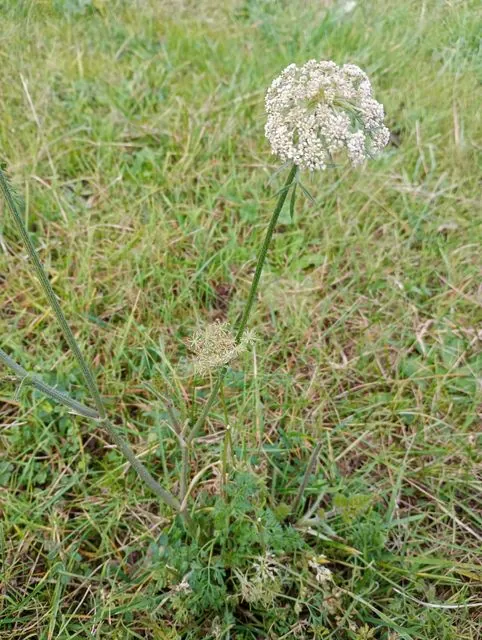
Image not available.
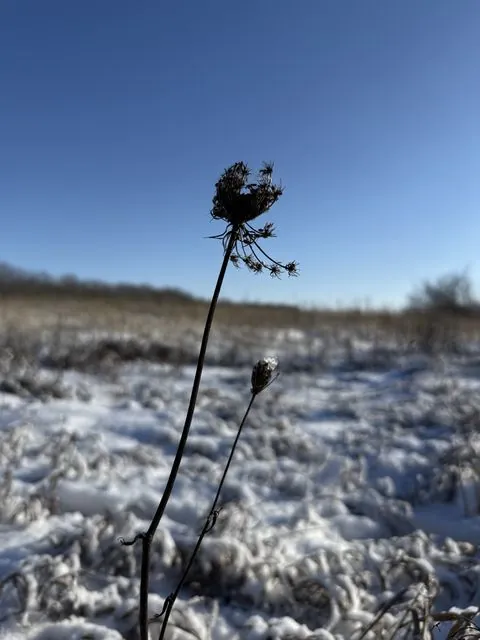
Image not available.
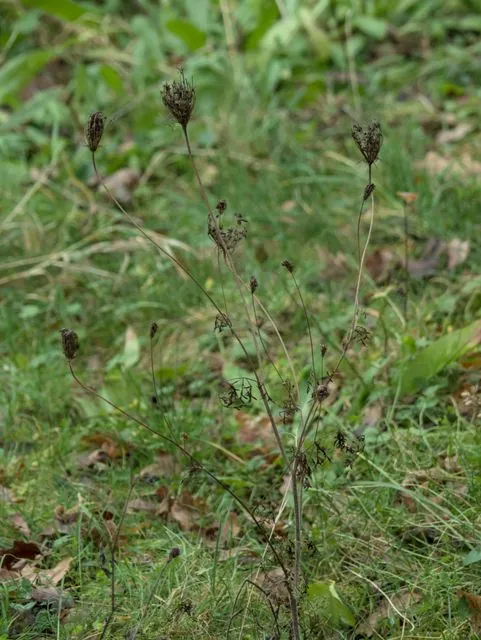
Image not available.
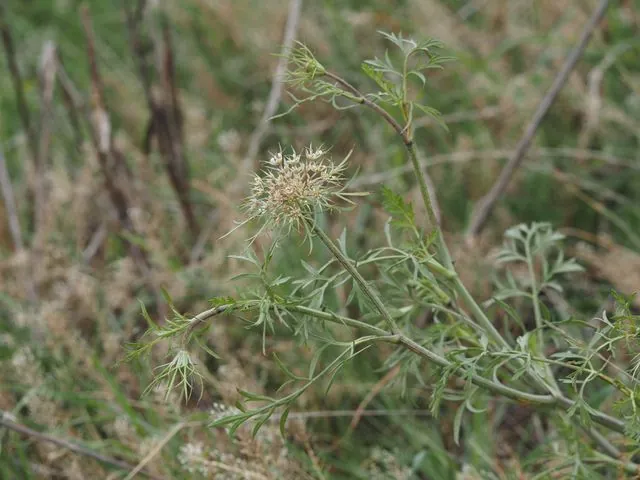
Image not available.
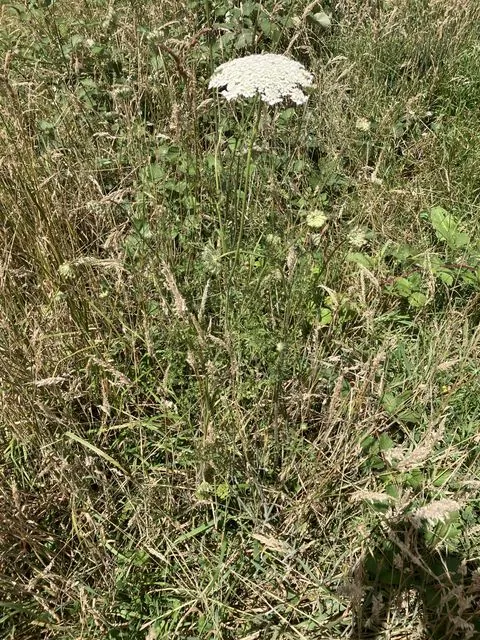
Image not available.
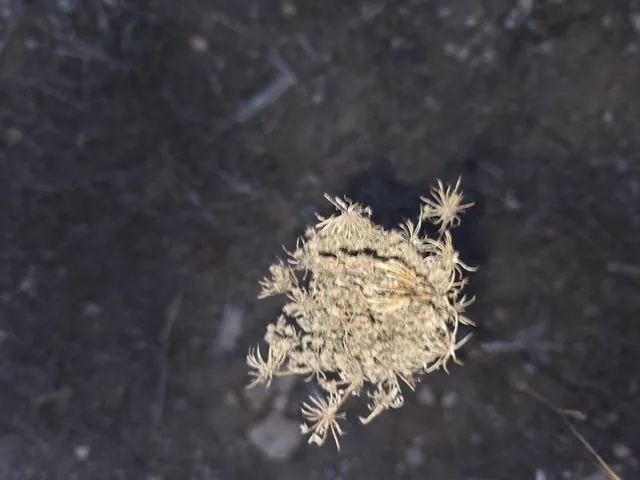
Image not available.
Research-grade iNaturalist observations via GBIF, CC0 or CC BY licences only, queried on 2026-10-30 17:13.