Identidad taxonómica

Scientific name
Dysphania ambrosioides (L.) Mosyakin & Clemants
Canonical name: The scientific name without its authorship or date, for example Zea mays instead of Zea mays L.
Dysphania ambrosioides
Authorship: The author or authors credited with publishing the scientific name. It is written after the name, sometimes with the year, for example L. (Linnaeus) in Zea mays L. An author in parentheses first published the name in another genus or rank.
(L.) Mosyakin & Clemants
Common names
Ambrosia, American Goosefoot, American Wormseed, Amerrican Goosefoot, Jerusalem Tea, Jerusalem-tea, Jesuit's Tea, Mexican Grape Herb, Mexican Tea, Mexican Tea, Spanish Tea, Wormseed, American Worm, Mexican-tea, Sandworm Plant, Sinkingbossie, Spanish Tea, Spanish-tea, Worm Seed, Wormbush, Wormsalt, Wormseed, Wormseed Goosefeet, goosefoot, lamb's quarters, pigweed, worm-seed, wormseed goosefoot
Names in other languages (121)Amerikaanse hondebossie, Apasote, Banso, Bonchi Karabanso, Chénopode fausse Ambroisie, Chénopode fausse ambroisie, Dysphanie fausse ambroisie, Chénopode fausse-ambroisie, Herbe à vers, Herbe amère, Herbe aux vers, Semen-contra, Semencine, Duft-Drüsengänsefuß, Farinello aromatico, Galsiektebos, Herbe amère, Herbe aux vers, Komosa piżmowa, Mastruz, Mexikanischer Drüsengänsefuß, Paico, Pasota, Pasote, Pazote (ES), Pichuñ, Sagrado, Semen-contra, Semencine, Te bord, Tee-Gänsefuß (DE); Apazote, Temålla, Tsé’ázhiíh, Té mexicano, Udabulizanci, Umakhayeni, Umbulalansingiza, Umkani, Umtusamvu, Umwohloza, Unukani, Vellugtende gåsefod, Welriekende ganzenvoet, Welriekende ganzevoet, Wohlriechende Gänsefuss, Wohlriechender Gänsefuß, Wurmsamen, Yerba di Vruminga, ambrisina, ambroisie du Mexique, ambrosia-do-méxico, ambrosine, ambrósia, ambrósia-do-México, anserina-vermífuga, apazote, apozote, arka, badingwane, caacica, cambrósia, canudo, chá-do-méxico, chá-dos-jesuítas, chénopode fausse-ambroisie, citronmålla, cuatsitinisa, dieselmålla, dišeča metlika, dungurachirombo ndeb i bigicana, epazote, ereva-mata-pulga, erva-das-cobras, erva-das-lombrigas, erva-de-Santa-Maria, erva-de-bicho, erva-do-formigueiro, erva-embrósia, erva-formigueira, erva-santa, galsiektebossie, herbe à vers, hierba hormiguera, imhlabampethu, insukumbili, kruiehondebossie, lombrigueira, mangalisa, mastruço, mata-cabra, menstruço, mentrasto, mentrusto, mentruz, merlík vonný, mexikanischer Tee, mintina, mirrha-libatop, mirrhafű, motlhatabadimo, motlhatlha badimo, mrlík voňavý, naemsaemyeongaju, nitna, nsuku mbili, ormemelde, paycu, pazote, puniyi, quenopódio, sinkingsbossie, sitronmelde, sitruunasavikka, stinkblaar, te Mecsico, thé de Silésie, thé des Jésuites, thé du Mexique, titchán, tlhetlhabadimo, toronjil dulce [Chile], uNsukumbili, uphunyu, vlooibossie, wormseed (EN); Mexikanischer Tee, ürt-hanemalts, ürt-kanamalts
Kingdom: One of the broadest ranks of biological classification. It groups organisms that share very basic features, for example plants (Plantae), animals (Animalia) or fungi (Fungi).
Plantae
Phylum: Rank below kingdom that groups organisms with a shared general body plan, for example chordates (Chordata), arthropods (Arthropoda) or vascular plants (Tracheophyta). In botany the same rank is also called division.
Tracheophyta
Class: Rank below phylum, for example mammals (Mammalia), birds (Aves), insects (Insecta) or monocot plants such as grasses and orchids (Liliopsida).
Magnoliopsida
Order: Rank below class that groups related families, for example grasses and their relatives (Poales) or bats (Chiroptera).
Caryophyllales
Family: Rank below order that groups related genera. Family names usually end in -aceae in botany (for example Poaceae, the grass family) and in -idae in zoology (for example Felidae, the cat family).
Amaranthaceae
Genus: Rank that groups closely related species. Its name is the first word of a species' scientific name and starts with a capital letter, for example Zea in Zea mays.
Dysphania
Specific epithet: The second word of a species' scientific name. On its own it does not name the species: it always goes with the genus, for example mays in Zea mays.
ambrosioides
Taxonomic rank: The level a name occupies in the hierarchy of biological classification, such as kingdom, family, genus, species or subspecies.
species
Reference species
Dysphania ambrosioides
Taxonomic status: Whether the taxonomic catalogue the record comes from currently accepts this name for the organism, or treats it as a synonym of another accepted name or as doubtful.
accepted name

Photos and conservation status

IUCN Red List category: The extinction-risk category that the International Union for Conservation of Nature (IUCN) assigns to a species on its Red List. EX Extinct: there is no reasonable doubt that the last individual has died. EW Extinct in the wild: it survives only in cultivation, in captivity or as a population far outside its past range. CR Critically endangered, EN Endangered and VU Vulnerable: the three threatened categories, from an extremely high to a high risk of extinction in the wild. NT Near threatened: close to qualifying as threatened. LC Least concern: evaluated and not threatened. DD Data deficient: there is not enough information to assess its risk. NE Not evaluated: not yet assessed against the criteria. It describes the risk of the species worldwide, not its situation in a project's area.
Not evaluated (NE)
Source: IUCN Red List via GBIF, queried on 2026-10-13 10:59.
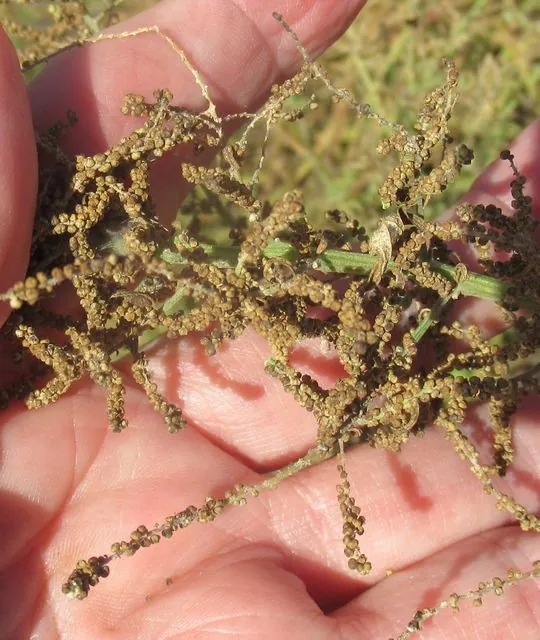
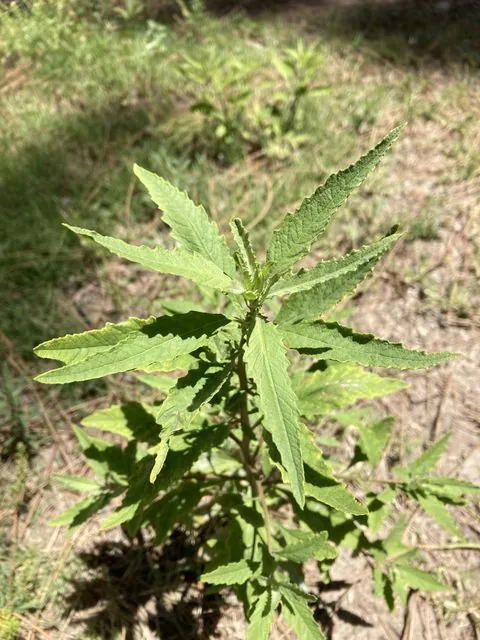
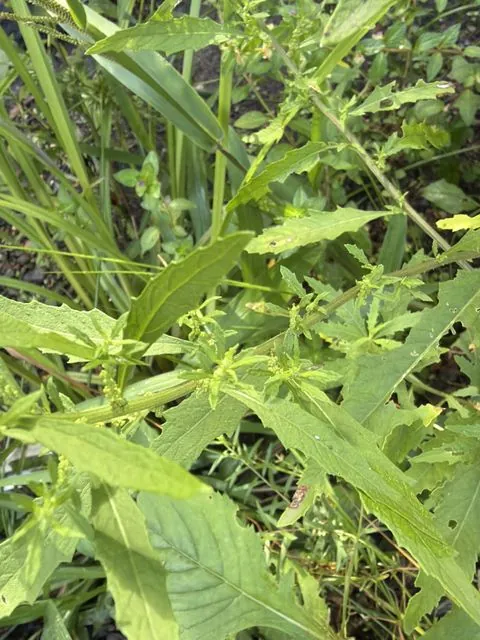
Photo of Dysphania ambrosioides (L.) Mosyakin & Clemants
Photo: Linda Jo Conn · CC BY 4.0 · View original image · Original observation
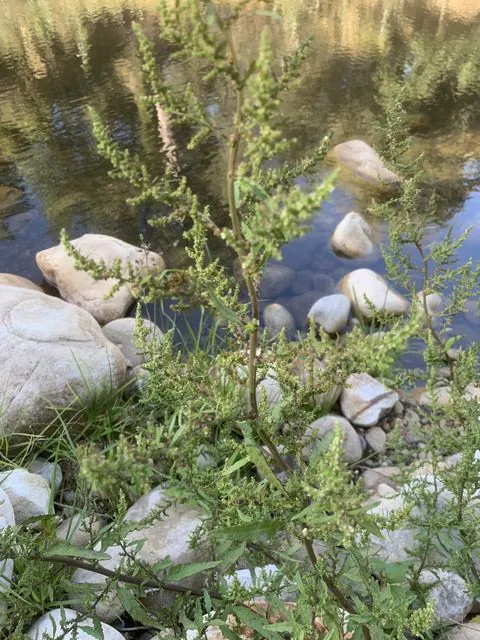
Photo of Dysphania ambrosioides (L.) Mosyakin & Clemants
Photo: Martin Coronel Varela · CC BY 4.0 · View original image · Original observation
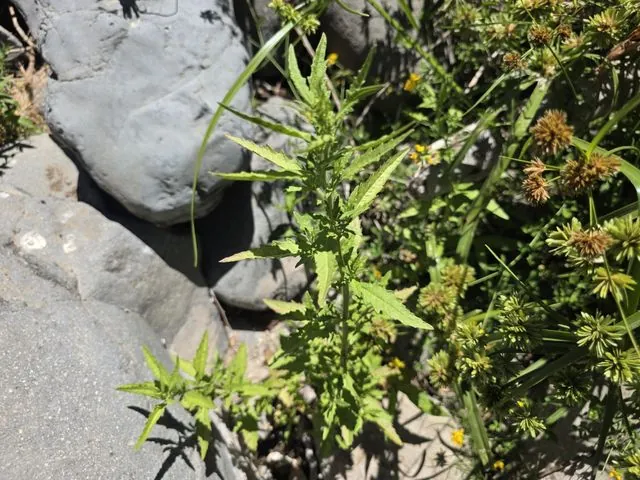
Photo of Dysphania ambrosioides (L.) Mosyakin & Clemants
Photo: Dave Richardson · CC BY 4.0 · View original image · Original observation
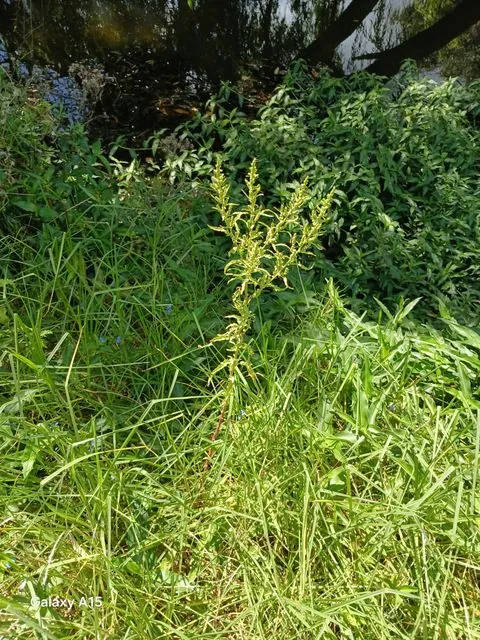
Photo of Dysphania ambrosioides (L.) Mosyakin & Clemants
Photo: Cesar Ormazabal · CC BY 4.0 · View original image · Original observation
Photo of Dysphania ambrosioides (L.) Mosyakin & Clemants
Photo: Leslie W. Powrie CT ZA · CC0 1.0 · View original image · Original observation
Photo of Dysphania ambrosioides (L.) Mosyakin & Clemants
Photo: Martin Hannan-Jones · CC BY 4.0 · View original image · Original observation

Research-grade iNaturalist observations via GBIF, CC0 or CC BY licences only, queried on 2026-10-13 10:59.

Interacciones documentadas

GloBI says it is documented somewhere in the world. Biolitica answers whether it could happen here.

A documented interaction means it was recorded somewhere in the world. It does not mean it occurs here.

Types shown: 8 of 8 interacts with (this species is the record's origin) × interacts with (this species is the record's destination) × is a host of × is eaten by × is an arbuscular mycorrhizal host of (this species is the record's destination) × is an arbuscular mycorrhizal host of (this species is the record's origin) × has as a parasite × is visited by ×

Blocks that do not sit under a navigation concept heading keep the source's own term: no navigation concept has been assigned to them yet.

interacts with 15 organisms

The authority declares no effect on this species for this term: neither that it harms it nor that it benefits it.

Organism Reads as Studies Where it was documented Actions
Prickly Mallow Sida spinosa Malvaceae interacts with 1 not compared
Prickly Callaloo Amaranthus spinosus Amaranthaceae interacts with 1 not compared
Bitter sneezeweed Helenium amarum Asteraceae interacts with 1 no location
Flanged Smartweed Persicaria amphibia var. stipulacea Polygonaceae interacts with 1 not compared
Showing 4 of 15, by number of studies See more of this type

interacts with 12 organisms

The authority declares no effect on this species for this term: neither that it harms it nor that it benefits it.

Organism Reads as Studies Where it was documented Actions
slireknemjøldogg Erysiphe betae Erysiphaceae interacts with 6 not compared
Chenopodium ambrosioides interacts with 2 not compared
smooth swallowwort Cynanchum laeve Apocynaceae interacts with 1 no location
Chinese hibiscus mealybug Phenacoccus solenopsis Pseudococcidae interacts with 1 not compared
Showing 4 of 12, by number of studies See more of this type

is a host of 6 organisms

The authority declares no effect on this species for this term: neither that it harms it nor that it benefits it. In the source ontology symbiosis covers mutualism, commensalism and parasitism alike, so this block holds attackers and allies side by side.

Organism Reads as Studies Where it was documented Actions
slireknemjøldogg Erysiphe betae Erysiphaceae is a host of 2 not compared
Cercospora sp. is a host of 1 no location Not a modelling unit: the source did not resolve a species — the name carries an open-nomenclature qualifier.
Peronospora sp. Peronosporaceae is a host of 1 no location Not a modelling unit: the source did not resolve a species — the name carries an open-nomenclature qualifier.
Beet Downy Mildew Peronospora farinosa Peronosporaceae is a host of 1 no location
Showing 4 of 6, by number of studies See more of this type

is eaten by 3 organisms

This term does declare that the organism harms this species.

Organism Reads as Studies Where it was documented Actions
Spodoptera ochrea Noctuidae is eaten by 1 not compared
Honeylocust Treehopper Micrutalis calva Membracidae is eaten by 1 no location
Gulf Saltmarsh Cicada Diceroprocta bequaerti is eaten by 1 no location
Showing 3 of 3, by number of studies

is an arbuscular mycorrhizal host of 3 organisms

The authority declares no effect on this species for this term: neither that it harms it nor that it benefits it.

Organism Reads as Studies Where it was documented Actions
Archaeospora sp. Archaeosporaceae is an arbuscular mycorrhizal host of 1 no location Not a modelling unit: the source did not resolve a species — the name carries an open-nomenclature qualifier.
Acaulospora sp. Acaulosporaceae is an arbuscular mycorrhizal host of 1 no location Not a modelling unit: the source did not resolve a species — the name carries an open-nomenclature qualifier.
Acaulospora colombiana Acaulosporaceae is an arbuscular mycorrhizal host of 1 not compared
Showing 3 of 3, by number of studies

is an arbuscular mycorrhizal host of 2 organisms

The authority declares no effect on this species for this term: neither that it harms it nor that it benefits it.

Organism Reads as Studies Where it was documented Actions
Archaeospora is an arbuscular mycorrhizal host of 1 not compared Not a modelling unit: the source publishes it at genus level.
Acaulospora Acaulosporaceae is an arbuscular mycorrhizal host of 1 not compared Not a modelling unit: the source publishes it at genus level.
Showing 2 of 2, by number of studies

has as a parasite 1 organism

This term does declare that the organism harms this species.

Organism Reads as Studies Where it was documented Actions
slireknemjøldogg Erysiphe betae Erysiphaceae has as a parasite 1 not compared
Showing 1 of 1, by number of studies

is visited by 1 organism

The authority declares no effect on this species for this term: neither that it harms it nor that it benefits it.

Organism Reads as Studies Where it was documented Actions
Fraternal Potter Wasp Eumenes fraternus Vespidae is visited by 1 not compared
Showing 1 of 1, by number of studies

Acompañantes documentados

This agronomic reading comes from a source reserved for internal use, so it is not shown here.

Documented uses and recommendations

Uses and recommendations that a source documents for this species beside a crop, each in its own context. They are the source's statements, not traits of the species and not Biolítica's recommendations, and none of them is a relation between two species.

Among the sources you can read, none documents a use or recommendation of this species beside a crop.