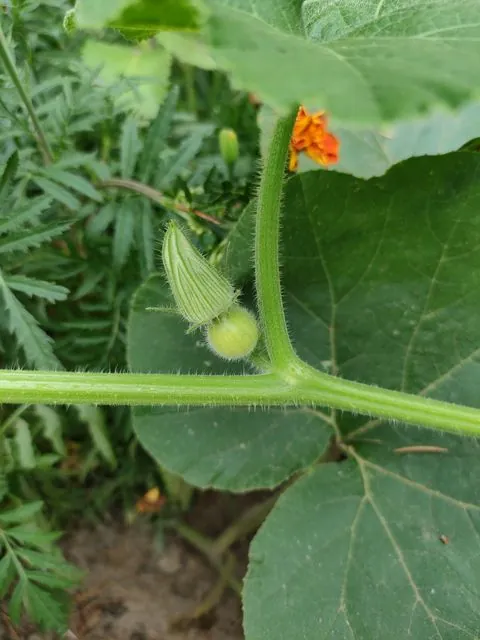
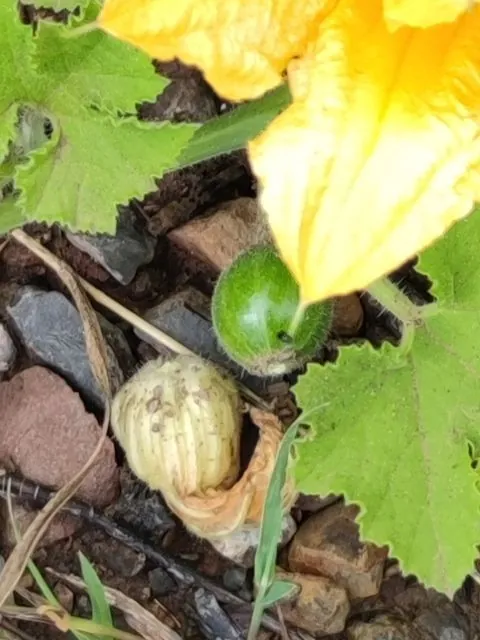
Canonical name: The scientific name without its authorship or date, for example Zea mays instead of Zea mays L. — The scientific name without its authorship or date, for example Zea mays instead of Zea mays L.
Cucurbita maxima
Authorship: The author or authors credited with publishing the scientific name. It is written after the name, sometimes with the year, for example L. (Linnaeus) in Zea mays L. An author in parentheses first published the name in another genus or rank. — The author or authors credited with publishing the scientific name. It is written after the name, sometimes with the year, for example L. (Linnaeus) in Zea mays L. An author in parentheses first published the name in another genus or rank.
Kingdom: One of the broadest ranks of biological classification. It groups organisms that share very basic features, for example plants (Plantae), animals (Animalia) or fungi (Fungi). — One of the broadest ranks of biological classification. It groups organisms that share very basic features, for example plants (Plantae), animals (Animalia) or fungi (Fungi).
Plantae
Phylum: Rank below kingdom that groups organisms with a shared general body plan, for example chordates (Chordata), arthropods (Arthropoda) or vascular plants (Tracheophyta). In botany the same rank is also called division. — Rank below kingdom that groups organisms with a shared general body plan, for example chordates (Chordata), arthropods (Arthropoda) or vascular plants (Tracheophyta). In botany the same rank is also called division.
Tracheophyta
Class: Rank below phylum, for example mammals (Mammalia), birds (Aves), insects (Insecta) or monocot plants such as grasses and orchids (Liliopsida). — Rank below phylum, for example mammals (Mammalia), birds (Aves), insects (Insecta) or monocot plants such as grasses and orchids (Liliopsida).
Magnoliopsida
Order: Rank below class that groups related families, for example grasses and their relatives (Poales) or bats (Chiroptera). — Rank below class that groups related families, for example grasses and their relatives (Poales) or bats (Chiroptera).
Cucurbitales
Family: Rank below order that groups related genera. Family names usually end in -aceae in botany (for example Poaceae, the grass family) and in -idae in zoology (for example Felidae, the cat family). — Rank below order that groups related genera. Family names usually end in -aceae in botany (for example Poaceae, the grass family) and in -idae in zoology (for example Felidae, the cat family).
Cucurbitaceae
Genus: Rank that groups closely related species. Its name is the first word of a species' scientific name and starts with a capital letter, for example Zea in Zea mays. — Rank that groups closely related species. Its name is the first word of a species' scientific name and starts with a capital letter, for example Zea in Zea mays.
Cucurbita
Specific epithet: The second word of a species' scientific name. On its own it does not name the species: it always goes with the genus, for example mays in Zea mays. — The second word of a species' scientific name. On its own it does not name the species: it always goes with the genus, for example mays in Zea mays.
maxima
Taxonomic rank: The level a name occupies in the hierarchy of biological classification, such as kingdom, family, genus, species or subspecies. — The level a name occupies in the hierarchy of biological classification, such as kingdom, family, genus, species or subspecies.
species
Reference species
Cucurbita maxima
Taxonomic status: Whether the taxonomic catalogue the record comes from currently accepts this name for the organism, or treats it as a synonym of another accepted name or as doubtful. — Whether the taxonomic catalogue the record comes from currently accepts this name for the organism, or treats it as a synonym of another accepted name or as doubtful.
accepted name
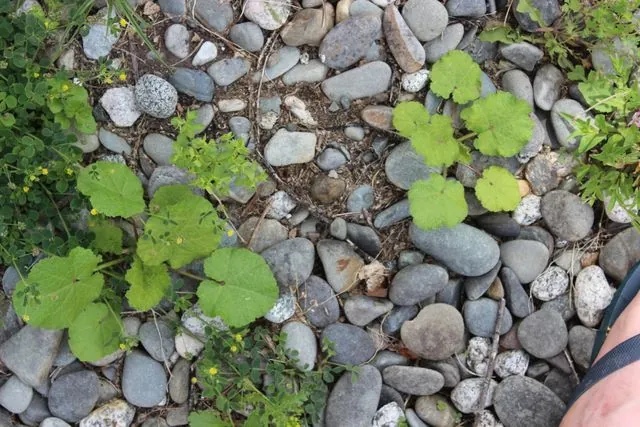
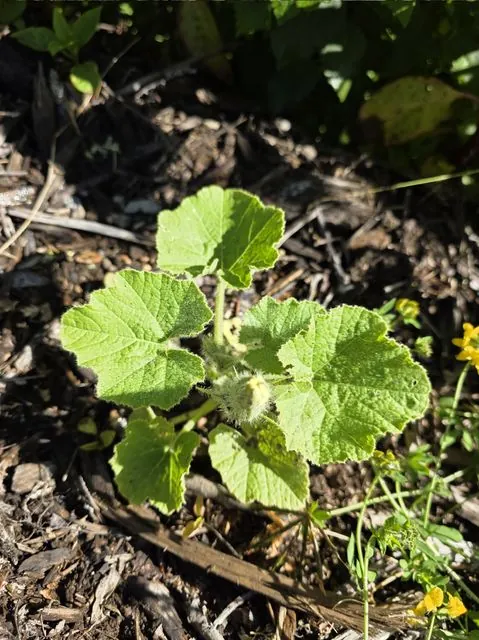
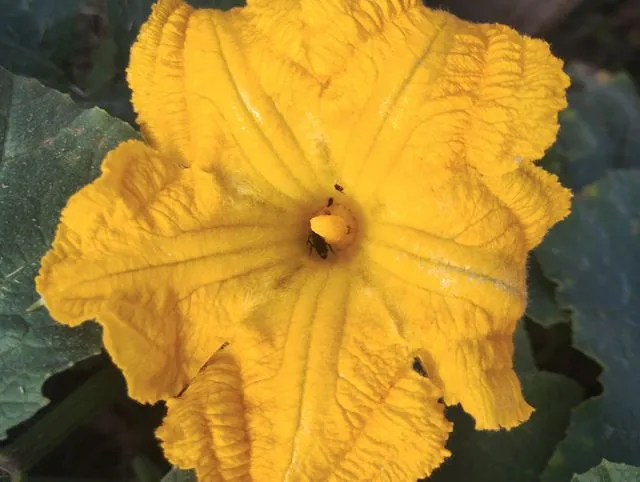
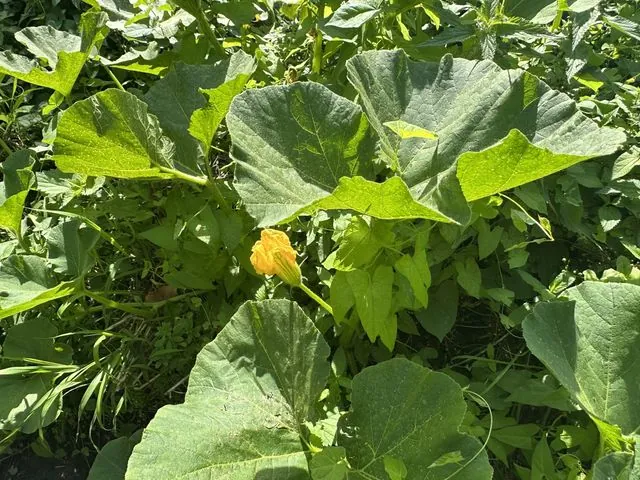
Photos and conservation status
IUCN Red List category: The extinction-risk category that the International Union for Conservation of Nature (IUCN) assigns to a species on its Red List. EX Extinct: there is no reasonable doubt that the last individual has died. EW Extinct in the wild: it survives only in cultivation, in captivity or as a population far outside its past range. CR Critically endangered, EN Endangered and VU Vulnerable: the three threatened categories, from an extremely high to a high risk of extinction in the wild. NT Near threatened: close to qualifying as threatened. LC Least concern: evaluated and not threatened. DD Data deficient: there is not enough information to assess its risk. NE Not evaluated: not yet assessed against the criteria. It describes the risk of the species worldwide, not its situation in a project's area. — The extinction-risk category that the International Union for Conservation of Nature (IUCN) assigns to a species on its Red List. EX Extinct: there is no reasonable doubt that the last individual has died. EW Extinct in the wild: it survives only in cultivation, in captivity or as a population far outside its past range. CR Critically endangered, EN Endangered and VU Vulnerable: the three threatened categories, from an extremely high to a high risk of extinction in the wild. NT Near threatened: close to qualifying as threatened. LC Least concern: evaluated and not threatened. DD Data deficient: there is not enough information to assess its risk. NE Not evaluated: not yet assessed against the criteria. It describes the risk of the species worldwide, not its situation in a project's area.
Not evaluated (NE)
Source: IUCN Red List via GBIF, queried on 2026-10-09 13:37.
Research-grade iNaturalist observations via GBIF, CC0 or CC BY licences only, queried on 2026-10-09 13:37.
Interacciones documentadas
GloBI says it is documented somewhere in the world. Biolitica answers whether it could happen here.
A documented interaction means it was recorded somewhere in the world. It does not mean it occurs here.
Types shown: 11 of 11
is a host of
×
interacts with (this species is the record's destination)
×
is eaten by
×
has its flowers visited by
×
has as a parasite
×
is pollinated by
×
is adjacent to
×
has as a pathogen
×
is visited by
×
interacts with (this species is the record's origin)
×
co-occurs ecologically with
×
Blocks that do not sit under a navigation concept heading keep the source's own term: no navigation concept has been assigned to them yet.
is a host of
167 organisms
The authority declares no effect on this species for this term: neither that it harms it nor that it benefits it. In the source ontology symbiosis covers mutualism, commensalism and parasitism alike, so this block holds attackers and allies side by side.
Anonymous. 1960. Index of Plant Diseases in the United States. U.S.D.A. Agric. Handb. 165:1-531
Published in globalbioticinteractions/usda-fungus-host
Record contexts (sample): United States · no date published; United States · no date published
Claim type
Published relationship between two taxa
Version
GloBI 0.11
Reuse
This release publishes no reuse terms for this record.
United States · no date publishedWhere it is: line:hash://sha256/021a206a1459bcca7e251c73f5bd180fc3ac342a09c499855fe42e21fc09edcf!/interactions.tsv.gz!/L3610992
United States · no date publishedWhere it is: line:hash://sha256/021a206a1459bcca7e251c73f5bd180fc3ac342a09c499855fe42e21fc09edcf!/interactions.tsv.gz!/L3611030
United States · no date publishedWhere it is: line:hash://sha256/021a206a1459bcca7e251c73f5bd180fc3ac342a09c499855fe42e21fc09edcf!/interactions.tsv.gz!/L3611063
No public URL for this record
McGuire Jr., J.U., and Crandall, B.S.. 1967. Survey of insect pests and plant diseases of selected food crops of Mexico, Central America and Panama. Int. Agric. Dev. Serv., ARS, USDA, AID :157
Published in globalbioticinteractions/usda-fungus-host
Record contexts (sample): Nicaragua · no date published; Panama · no date published
Claim type
Published relationship between two taxa
Version
GloBI 0.11
Reuse
This release publishes no reuse terms for this record.
Nicaragua · no date publishedWhere it is: line:hash://sha256/021a206a1459bcca7e251c73f5bd180fc3ac342a09c499855fe42e21fc09edcf!/interactions.tsv.gz!/L4019571
Panama · no date publishedWhere it is: line:hash://sha256/021a206a1459bcca7e251c73f5bd180fc3ac342a09c499855fe42e21fc09edcf!/interactions.tsv.gz!/L4019572
Honduras · no date publishedWhere it is: line:hash://sha256/021a206a1459bcca7e251c73f5bd180fc3ac342a09c499855fe42e21fc09edcf!/interactions.tsv.gz!/L4019573
Context: no place published · no date published · Preserved specimen
Claim type
Published relationship between two taxa
Version
GloBI 0.11
Reuse
This release publishes no reuse terms for this record.
no place published · no date published · Preserved specimenAs published: PreservedSpecimenWhere it is: line:hash://sha256/021a206a1459bcca7e251c73f5bd180fc3ac342a09c499855fe42e21fc09edcf!/interactions.tsv.gz!/L17475321
Context: Dharwar · July 29, 1968 · Preserved specimen
Claim type
Published relationship between two taxa
Version
GloBI 0.11
Reuse
This release publishes no reuse terms for this record.
Dharwar · July 29, 1968 · Preserved specimenAs published: 1968-07-29T00:00:00Z · PreservedSpecimenWhere it is: line:hash://sha256/021a206a1459bcca7e251c73f5bd180fc3ac342a09c499855fe42e21fc09edcf!/interactions.tsv.gz!/L17475326
And 31 more sources, with fewer records, not listed here.
A published relationship says these two taxa were documented interacting. It does not say how often, or that it happens in this project's region.
Erysiphe cichoracearum
is a host of
36
not compared
36 sources · 38 records
McGuire Jr., J.U., and Crandall, B.S.. 1967. Survey of insect pests and plant diseases of selected food crops of Mexico, Central America and Panama. Int. Agric. Dev. Serv., ARS, USDA, AID :157
Published in globalbioticinteractions/usda-fungus-host
Record contexts (sample): Honduras · no date published; Nicaragua · no date published
Claim type
Published relationship between two taxa
Version
GloBI 0.11
Reuse
This release publishes no reuse terms for this record.
Honduras · no date publishedWhere it is: line:hash://sha256/021a206a1459bcca7e251c73f5bd180fc3ac342a09c499855fe42e21fc09edcf!/interactions.tsv.gz!/L4019600
Nicaragua · no date publishedWhere it is: line:hash://sha256/021a206a1459bcca7e251c73f5bd180fc3ac342a09c499855fe42e21fc09edcf!/interactions.tsv.gz!/L4019601
Panama · no date publishedWhere it is: line:hash://sha256/021a206a1459bcca7e251c73f5bd180fc3ac342a09c499855fe42e21fc09edcf!/interactions.tsv.gz!/L4019602
Context: Laguna College of Agriculture · Nov. 15, 1930 · Preserved specimen
Claim type
Published relationship between two taxa
Version
GloBI 0.11
Reuse
This release publishes no reuse terms for this record.
Laguna College of Agriculture · Nov. 15, 1930 · Preserved specimenAs published: 1930-11-15T00:00:00Z · PreservedSpecimenWhere it is: line:hash://sha256/021a206a1459bcca7e251c73f5bd180fc3ac342a09c499855fe42e21fc09edcf!/interactions.tsv.gz!/L17243341
Context: Hebbal · July 5, 1967 · Preserved specimen
Claim type
Published relationship between two taxa
Version
GloBI 0.11
Reuse
This release publishes no reuse terms for this record.
Hebbal · July 5, 1967 · Preserved specimenAs published: 1967-07-05T00:00:00Z · PreservedSpecimenWhere it is: line:hash://sha256/021a206a1459bcca7e251c73f5bd180fc3ac342a09c499855fe42e21fc09edcf!/interactions.tsv.gz!/L17243342
Context: Laguna College of Agriculture · Nov. 15, 1930 · Preserved specimen
Claim type
Published relationship between two taxa
Version
GloBI 0.11
Reuse
This release publishes no reuse terms for this record.
Laguna College of Agriculture · Nov. 15, 1930 · Preserved specimenAs published: 1930-11-15T00:00:00Z · PreservedSpecimenWhere it is: line:hash://sha256/021a206a1459bcca7e251c73f5bd180fc3ac342a09c499855fe42e21fc09edcf!/interactions.tsv.gz!/L17243345
Context: Cochabamba · April 1, 1939 · Preserved specimen
Claim type
Published relationship between two taxa
Version
GloBI 0.11
Reuse
This release publishes no reuse terms for this record.
Cochabamba · April 1, 1939 · Preserved specimenAs published: 1939-04-01T00:00:00Z · PreservedSpecimenWhere it is: line:hash://sha256/021a206a1459bcca7e251c73f5bd180fc3ac342a09c499855fe42e21fc09edcf!/interactions.tsv.gz!/L17243347
And 28 more sources, with fewer records, not listed here.
A published relationship says these two taxa were documented interacting. It does not say how often, or that it happens in this project's region.
Black Rot on CucurbitsStagonosporopsis cucurbitacearumDidymellaceae
is a host of
28
not compared
28 sources · 32 records
Anonymous. 1960. Index of Plant Diseases in the United States. U.S.D.A. Agric. Handb. 165:1-531
Published in globalbioticinteractions/usda-fungus-host
Record contexts (sample): United States · no date published; United States · no date published
Claim type
Published relationship between two taxa
Version
GloBI 0.11
Reuse
This release publishes no reuse terms for this record.
United States · no date publishedWhere it is: line:hash://sha256/021a206a1459bcca7e251c73f5bd180fc3ac342a09c499855fe42e21fc09edcf!/interactions.tsv.gz!/L3642714
United States · no date publishedWhere it is: line:hash://sha256/021a206a1459bcca7e251c73f5bd180fc3ac342a09c499855fe42e21fc09edcf!/interactions.tsv.gz!/L3642739
United States · no date publishedWhere it is: line:hash://sha256/021a206a1459bcca7e251c73f5bd180fc3ac342a09c499855fe42e21fc09edcf!/interactions.tsv.gz!/L3642742
And 1 more record of this source, not listed here.
No public URL for this record
Simmonds, J.H.. 1966. Host index of plant diseases in Queensland. Queensland Department of Primary Industries, Brisbane :111
Published in globalbioticinteractions/usda-fungus-host
Record contexts (sample): Australia · no date published; Australia · no date published
Claim type
Published relationship between two taxa
Version
GloBI 0.11
Reuse
This release publishes no reuse terms for this record.
Australia · no date publishedWhere it is: line:hash://sha256/021a206a1459bcca7e251c73f5bd180fc3ac342a09c499855fe42e21fc09edcf!/interactions.tsv.gz!/L3761350
Australia · no date publishedWhere it is: line:hash://sha256/021a206a1459bcca7e251c73f5bd180fc3ac342a09c499855fe42e21fc09edcf!/interactions.tsv.gz!/L3762050
Context: Mt. Albert · June 20, 1972 · Preserved specimen
Claim type
Published relationship between two taxa
Version
GloBI 0.11
Reuse
This release publishes no reuse terms for this record.
Mt. Albert · June 20, 1972 · Preserved specimenAs published: 1972-06-20T00:00:00Z · PreservedSpecimenWhere it is: line:hash://sha256/021a206a1459bcca7e251c73f5bd180fc3ac342a09c499855fe42e21fc09edcf!/interactions.tsv.gz!/L16591911
Context: Madison · Sept. 26, 1960 · Preserved specimen
Claim type
Published relationship between two taxa
Version
GloBI 0.11
Reuse
This release publishes no reuse terms for this record.
Madison · Sept. 26, 1960 · Preserved specimenAs published: 1960-09-26T00:00:00Z · PreservedSpecimenWhere it is: line:hash://sha256/021a206a1459bcca7e251c73f5bd180fc3ac342a09c499855fe42e21fc09edcf!/interactions.tsv.gz!/L16616454
Context: Intercepted New York New York #005722 · May 13, 1974 · Preserved specimen
Claim type
Published relationship between two taxa
Version
GloBI 0.11
Reuse
This release publishes no reuse terms for this record.
Intercepted New York New York #005722 · May 13, 1974 · Preserved specimenAs published: 1974-05-13T00:00:00Z · PreservedSpecimenWhere it is: line:hash://sha256/021a206a1459bcca7e251c73f5bd180fc3ac342a09c499855fe42e21fc09edcf!/interactions.tsv.gz!/L17139225
Context: Newfield · no date published · Preserved specimen
Claim type
Published relationship between two taxa
Version
GloBI 0.11
Reuse
This release publishes no reuse terms for this record.
Newfield · no date published · Preserved specimenAs published: PreservedSpecimenWhere it is: line:hash://sha256/021a206a1459bcca7e251c73f5bd180fc3ac342a09c499855fe42e21fc09edcf!/interactions.tsv.gz!/L17207827
And 20 more sources, with fewer records, not listed here.
A published relationship says these two taxa were documented interacting. It does not say how often, or that it happens in this project's region.
Oidium sp. pm-103Erysiphaceae
is a host of
20
no location
Not a modelling unit: the source did not resolve a species — the name carries an open-nomenclature qualifier.
20 sources · 53 records
Amano, K. (Hirata). 1986. Host range and geographical distribution of the powdery mildew fungi. Japan Sci. Soc. Press, Tokyo :741
Published in globalbioticinteractions/usda-fungus-host
Record contexts (sample): Lebanon · no date published; Australia · no date published
Claim type
Published relationship between two taxa
Version
GloBI 0.11
Reuse
This release publishes no reuse terms for this record.
Lebanon · no date publishedWhere it is: line:hash://sha256/021a206a1459bcca7e251c73f5bd180fc3ac342a09c499855fe42e21fc09edcf!/interactions.tsv.gz!/L3740059
Australia · no date publishedWhere it is: line:hash://sha256/021a206a1459bcca7e251c73f5bd180fc3ac342a09c499855fe42e21fc09edcf!/interactions.tsv.gz!/L3740060
Jamaica · no date publishedWhere it is: line:hash://sha256/021a206a1459bcca7e251c73f5bd180fc3ac342a09c499855fe42e21fc09edcf!/interactions.tsv.gz!/L3740061
And 31 more records of this source, not listed here.
No public URL for this record
Farr, David F.; Rossman, Amy Y.; Castlebury, Lisa A. (2021). United States National Fungus Collections Fungus-Host Dataset. Ag Data Commons. https://doi.org/10.15482/USDA.ADC/1524414. Accessed at <https://github.com/globalbioticinteractions/usda-fungus-host/archive/47a3882c0c536…
Published in globalbioticinteractions/usda-fungus-host
Context: New Guinea · no date published
Claim type
Published relationship between two taxa
Version
GloBI 0.11
Reuse
This release publishes no reuse terms for this record.
New Guinea · no date publishedWhere it is: line:hash://sha256/021a206a1459bcca7e251c73f5bd180fc3ac342a09c499855fe42e21fc09edcf!/interactions.tsv.gz!/L3673665
Simmonds, J.H.. 1966. Host index of plant diseases in Queensland. Queensland Department of Primary Industries, Brisbane :111
Published in globalbioticinteractions/usda-fungus-host
Context: Australia · no date published
Claim type
Published relationship between two taxa
Version
GloBI 0.11
Reuse
This release publishes no reuse terms for this record.
Australia · no date publishedWhere it is: line:hash://sha256/021a206a1459bcca7e251c73f5bd180fc3ac342a09c499855fe42e21fc09edcf!/interactions.tsv.gz!/L3762200
No public URL for this record
Mujica, F., and Vergara, C.. 1945. Flora fungosa Chilena. Indice preliminar de los huespedes de los hongos chilenos y sus referencias bibliograficas. Imprenta Stanley :199
Published in globalbioticinteractions/usda-fungus-host
Context: Chile · no date published
Claim type
Published relationship between two taxa
Version
GloBI 0.11
Reuse
This release publishes no reuse terms for this record.
Chile · no date publishedWhere it is: line:hash://sha256/021a206a1459bcca7e251c73f5bd180fc3ac342a09c499855fe42e21fc09edcf!/interactions.tsv.gz!/L3764955
No public URL for this record
Ginns, J.H.. 1986. Compendium of plant disease and decay fungi in Canada 1960-1980. Res. Br. Can. Agric. Publ. 1813:416
Published in globalbioticinteractions/usda-fungus-host
Context: Canada · no date published
Claim type
Published relationship between two taxa
Version
GloBI 0.11
Reuse
This release publishes no reuse terms for this record.
Canada · no date publishedWhere it is: line:hash://sha256/021a206a1459bcca7e251c73f5bd180fc3ac342a09c499855fe42e21fc09edcf!/interactions.tsv.gz!/L3786556
No public URL for this record
Shaw, D.E.. 1984. Microorganisms in Papua New Guinea. Dept. Primary Ind., Res. Bull. 33:1-344
Published in globalbioticinteractions/usda-fungus-host
Context: Papua New Guinea · no date published
Claim type
Published relationship between two taxa
Version
GloBI 0.11
Reuse
This release publishes no reuse terms for this record.
Papua New Guinea · no date publishedWhere it is: line:hash://sha256/021a206a1459bcca7e251c73f5bd180fc3ac342a09c499855fe42e21fc09edcf!/interactions.tsv.gz!/L3800036
No public URL for this record
Mendes, M.A.S., da Silva, V.L., Dianese, J.C., and et al.. 1998. Fungos em Plants no Brasil. Embrapa-SPI/Embrapa-Cenargen, Brasilia :555
Published in globalbioticinteractions/usda-fungus-host
Context: Brazil · no date published
Claim type
Published relationship between two taxa
Version
GloBI 0.11
Reuse
This release publishes no reuse terms for this record.
Brazil · no date publishedWhere it is: line:hash://sha256/021a206a1459bcca7e251c73f5bd180fc3ac342a09c499855fe42e21fc09edcf!/interactions.tsv.gz!/L3811870
No public URL for this record
Wiehe, P.O.. 1953. The plant diseases of Nyasaland.. Mycol. Pap. 53:1-39
Published in globalbioticinteractions/usda-fungus-host
Context: Malawi · no date published
Claim type
Published relationship between two taxa
Version
GloBI 0.11
Reuse
This release publishes no reuse terms for this record.
Malawi · no date publishedWhere it is: line:hash://sha256/021a206a1459bcca7e251c73f5bd180fc3ac342a09c499855fe42e21fc09edcf!/interactions.tsv.gz!/L3835263
No public URL for this record
And 12 more sources, with fewer records, not listed here.
A published relationship says these two taxa were documented interacting. It does not say how often, or that it happens in this project's region.
The authority declares no effect on this species for this term: neither that it harms it nor that it benefits it.
Organism
Reads as
Studies
Where it was documented
Actions
Common Eastern Bumble BeeBombus impatiensApidae
interacts with
123
not compared
123 sources · 140 records
Digital Bee Collections Network, 2014 (and updates). Version: 2016-03-08. National Science Foundation grant DBI 0956388
Published in globalbioticinteractions/arthropodEasyCaptureAMNH
Record contexts (sample): Block Island · Aug. 11, 2010 · Preserved specimen; Block Island · Aug. 11, 2010 · LabelObservation
Claim type
Published relationship between two taxa
Version
GloBI 0.11
Reuse
This release publishes no reuse terms for this record.
Block Island · Aug. 11, 2010 · Preserved specimenAs published: 2010-08-11T00:00:00Z · PreservedSpecimenWhere it is: line:hash://sha256/021a206a1459bcca7e251c73f5bd180fc3ac342a09c499855fe42e21fc09edcf!/interactions.tsv.gz!/L16366831
Block Island · Aug. 11, 2010 · LabelObservationAs published: 2010-08-11T00:00:00Z · LabelObservationWhere it is: line:hash://sha256/021a206a1459bcca7e251c73f5bd180fc3ac342a09c499855fe42e21fc09edcf!/interactions.tsv.gz!/L16366832
Block Island · Aug. 11, 2010 · Preserved specimenAs published: 2010-08-11T00:00:00Z · PreservedSpecimenWhere it is: line:hash://sha256/021a206a1459bcca7e251c73f5bd180fc3ac342a09c499855fe42e21fc09edcf!/interactions.tsv.gz!/L16366833
And 15 more records of this source, not listed here.
Context: Montrose · Aug. 16, 2023 · Preserved specimen
Claim type
Published relationship between two taxa
Version
GloBI 0.11
Reuse
This release publishes no reuse terms for this record.
Montrose · Aug. 16, 2023 · Preserved specimenAs published: 2023-08-16T00:00:00Z · PreservedSpecimenWhere it is: line:hash://sha256/021a206a1459bcca7e251c73f5bd180fc3ac342a09c499855fe42e21fc09edcf!/interactions.tsv.gz!/L23792930
Context: Montrose · Aug. 16, 2023 · Preserved specimen
Claim type
Published relationship between two taxa
Version
GloBI 0.11
Reuse
This release publishes no reuse terms for this record.
Montrose · Aug. 16, 2023 · Preserved specimenAs published: 2023-08-16T00:00:00Z · PreservedSpecimenWhere it is: line:hash://sha256/021a206a1459bcca7e251c73f5bd180fc3ac342a09c499855fe42e21fc09edcf!/interactions.tsv.gz!/L23792931
Context: Pittsburgh · Aug. 18, 2023 · Preserved specimen
Claim type
Published relationship between two taxa
Version
GloBI 0.11
Reuse
This release publishes no reuse terms for this record.
Pittsburgh · Aug. 18, 2023 · Preserved specimenAs published: 2023-08-18T00:00:00Z · PreservedSpecimenWhere it is: line:hash://sha256/021a206a1459bcca7e251c73f5bd180fc3ac342a09c499855fe42e21fc09edcf!/interactions.tsv.gz!/L23792952
Context: Pittsburgh · Aug. 8, 2023 · Preserved specimen
Claim type
Published relationship between two taxa
Version
GloBI 0.11
Reuse
This release publishes no reuse terms for this record.
Pittsburgh · Aug. 8, 2023 · Preserved specimenAs published: 2023-08-08T00:00:00Z · PreservedSpecimenWhere it is: line:hash://sha256/021a206a1459bcca7e251c73f5bd180fc3ac342a09c499855fe42e21fc09edcf!/interactions.tsv.gz!/L23792954
Context: Pittsburgh · Aug. 24, 2023 · Preserved specimen
Claim type
Published relationship between two taxa
Version
GloBI 0.11
Reuse
This release publishes no reuse terms for this record.
Pittsburgh · Aug. 24, 2023 · Preserved specimenAs published: 2023-08-24T00:00:00Z · PreservedSpecimenWhere it is: line:hash://sha256/021a206a1459bcca7e251c73f5bd180fc3ac342a09c499855fe42e21fc09edcf!/interactions.tsv.gz!/L23792957
Context: Warren · Aug. 10, 2023 · Preserved specimen
Claim type
Published relationship between two taxa
Version
GloBI 0.11
Reuse
This release publishes no reuse terms for this record.
Warren · Aug. 10, 2023 · Preserved specimenAs published: 2023-08-10T00:00:00Z · PreservedSpecimenWhere it is: line:hash://sha256/021a206a1459bcca7e251c73f5bd180fc3ac342a09c499855fe42e21fc09edcf!/interactions.tsv.gz!/L23792967
Context: Warren · Aug. 10, 2023 · Preserved specimen
Claim type
Published relationship between two taxa
Version
GloBI 0.11
Reuse
This release publishes no reuse terms for this record.
Warren · Aug. 10, 2023 · Preserved specimenAs published: 2023-08-10T00:00:00Z · PreservedSpecimenWhere it is: line:hash://sha256/021a206a1459bcca7e251c73f5bd180fc3ac342a09c499855fe42e21fc09edcf!/interactions.tsv.gz!/L23792968
Context: Montrose · Aug. 23, 2023 · Preserved specimen
Claim type
Published relationship between two taxa
Version
GloBI 0.11
Reuse
This release publishes no reuse terms for this record.
Montrose · Aug. 23, 2023 · Preserved specimenAs published: 2023-08-23T00:00:00Z · PreservedSpecimenWhere it is: line:hash://sha256/021a206a1459bcca7e251c73f5bd180fc3ac342a09c499855fe42e21fc09edcf!/interactions.tsv.gz!/L23792932
Context: Montrose · Aug. 23, 2023 · Preserved specimen
Claim type
Published relationship between two taxa
Version
GloBI 0.11
Reuse
This release publishes no reuse terms for this record.
Montrose · Aug. 23, 2023 · Preserved specimenAs published: 2023-08-23T00:00:00Z · PreservedSpecimenWhere it is: line:hash://sha256/021a206a1459bcca7e251c73f5bd180fc3ac342a09c499855fe42e21fc09edcf!/interactions.tsv.gz!/L23792933
Context: Montrose · Aug. 15, 2023 · Preserved specimen
Claim type
Published relationship between two taxa
Version
GloBI 0.11
Reuse
This release publishes no reuse terms for this record.
Montrose · Aug. 15, 2023 · Preserved specimenAs published: 2023-08-15T00:00:00Z · PreservedSpecimenWhere it is: line:hash://sha256/021a206a1459bcca7e251c73f5bd180fc3ac342a09c499855fe42e21fc09edcf!/interactions.tsv.gz!/L23792936
Context: Montrose · Aug. 25, 2023 · Preserved specimen
Claim type
Published relationship between two taxa
Version
GloBI 0.11
Reuse
This release publishes no reuse terms for this record.
Montrose · Aug. 25, 2023 · Preserved specimenAs published: 2023-08-25T00:00:00Z · PreservedSpecimenWhere it is: line:hash://sha256/021a206a1459bcca7e251c73f5bd180fc3ac342a09c499855fe42e21fc09edcf!/interactions.tsv.gz!/L23792937
Context: Montrose · Aug. 4, 2023 · Preserved specimen
Claim type
Published relationship between two taxa
Version
GloBI 0.11
Reuse
This release publishes no reuse terms for this record.
Montrose · Aug. 4, 2023 · Preserved specimenAs published: 2023-08-04T00:00:00Z · PreservedSpecimenWhere it is: line:hash://sha256/021a206a1459bcca7e251c73f5bd180fc3ac342a09c499855fe42e21fc09edcf!/interactions.tsv.gz!/L23792942
Context: Montrose · Aug. 4, 2023 · Preserved specimen
Claim type
Published relationship between two taxa
Version
GloBI 0.11
Reuse
This release publishes no reuse terms for this record.
Montrose · Aug. 4, 2023 · Preserved specimenAs published: 2023-08-04T00:00:00Z · PreservedSpecimenWhere it is: line:hash://sha256/021a206a1459bcca7e251c73f5bd180fc3ac342a09c499855fe42e21fc09edcf!/interactions.tsv.gz!/L23792943
Context: Pittsburgh · Aug. 2, 2023 · Preserved specimen
Claim type
Published relationship between two taxa
Version
GloBI 0.11
Reuse
This release publishes no reuse terms for this record.
Pittsburgh · Aug. 2, 2023 · Preserved specimenAs published: 2023-08-02T00:00:00Z · PreservedSpecimenWhere it is: line:hash://sha256/021a206a1459bcca7e251c73f5bd180fc3ac342a09c499855fe42e21fc09edcf!/interactions.tsv.gz!/L23792956
Context: Pittsburgh · Aug. 24, 2023 · Preserved specimen
Claim type
Published relationship between two taxa
Version
GloBI 0.11
Reuse
This release publishes no reuse terms for this record.
Pittsburgh · Aug. 24, 2023 · Preserved specimenAs published: 2023-08-24T00:00:00Z · PreservedSpecimenWhere it is: line:hash://sha256/021a206a1459bcca7e251c73f5bd180fc3ac342a09c499855fe42e21fc09edcf!/interactions.tsv.gz!/L23792958
And 67 more sources, with fewer records, not listed here.
A published relationship says these two taxa were documented interacting. It does not say how often, or that it happens in this project's region.
European Honey BeeApis melliferaApidae
interacts with
61
not compared
61 sources · 62 records
Digital Bee Collections Network, 2014 (and updates). Version: 2016-03-08. National Science Foundation grant DBI 0956388
Published in globalbioticinteractions/arthropodEasyCaptureAMNH
Record contexts (sample): Block Island · Aug. 5, 2010 · Preserved specimen; Block Island · Aug. 5, 2010 · LabelObservation
Claim type
Published relationship between two taxa
Version
GloBI 0.11
Reuse
This release publishes no reuse terms for this record.
Block Island · Aug. 5, 2010 · Preserved specimenAs published: 2010-08-05T00:00:00Z · PreservedSpecimenWhere it is: line:hash://sha256/021a206a1459bcca7e251c73f5bd180fc3ac342a09c499855fe42e21fc09edcf!/interactions.tsv.gz!/L16366875
Block Island · Aug. 5, 2010 · LabelObservationAs published: 2010-08-05T00:00:00Z · LabelObservationWhere it is: line:hash://sha256/021a206a1459bcca7e251c73f5bd180fc3ac342a09c499855fe42e21fc09edcf!/interactions.tsv.gz!/L16366876
Context: Montrose · Aug. 16, 2023 · Preserved specimen
Claim type
Published relationship between two taxa
Version
GloBI 0.11
Reuse
This release publishes no reuse terms for this record.
Montrose · Aug. 16, 2023 · Preserved specimenAs published: 2023-08-16T00:00:00Z · PreservedSpecimenWhere it is: line:hash://sha256/021a206a1459bcca7e251c73f5bd180fc3ac342a09c499855fe42e21fc09edcf!/interactions.tsv.gz!/L23792929
Context: Montrose · Aug. 23, 2023 · Preserved specimen
Claim type
Published relationship between two taxa
Version
GloBI 0.11
Reuse
This release publishes no reuse terms for this record.
Montrose · Aug. 23, 2023 · Preserved specimenAs published: 2023-08-23T00:00:00Z · PreservedSpecimenWhere it is: line:hash://sha256/021a206a1459bcca7e251c73f5bd180fc3ac342a09c499855fe42e21fc09edcf!/interactions.tsv.gz!/L23792934
Context: Montrose · Aug. 11, 2023 · Preserved specimen
Claim type
Published relationship between two taxa
Version
GloBI 0.11
Reuse
This release publishes no reuse terms for this record.
Montrose · Aug. 11, 2023 · Preserved specimenAs published: 2023-08-11T00:00:00Z · PreservedSpecimenWhere it is: line:hash://sha256/021a206a1459bcca7e251c73f5bd180fc3ac342a09c499855fe42e21fc09edcf!/interactions.tsv.gz!/L23792938
Context: Montrose · Aug. 11, 2023 · Preserved specimen
Claim type
Published relationship between two taxa
Version
GloBI 0.11
Reuse
This release publishes no reuse terms for this record.
Montrose · Aug. 11, 2023 · Preserved specimenAs published: 2023-08-11T00:00:00Z · PreservedSpecimenWhere it is: line:hash://sha256/021a206a1459bcca7e251c73f5bd180fc3ac342a09c499855fe42e21fc09edcf!/interactions.tsv.gz!/L23792939
Context: Montrose · Aug. 11, 2023 · Preserved specimen
Claim type
Published relationship between two taxa
Version
GloBI 0.11
Reuse
This release publishes no reuse terms for this record.
Montrose · Aug. 11, 2023 · Preserved specimenAs published: 2023-08-11T00:00:00Z · PreservedSpecimenWhere it is: line:hash://sha256/021a206a1459bcca7e251c73f5bd180fc3ac342a09c499855fe42e21fc09edcf!/interactions.tsv.gz!/L23792940
Context: Montrose · Aug. 11, 2023 · Preserved specimen
Claim type
Published relationship between two taxa
Version
GloBI 0.11
Reuse
This release publishes no reuse terms for this record.
Montrose · Aug. 11, 2023 · Preserved specimenAs published: 2023-08-11T00:00:00Z · PreservedSpecimenWhere it is: line:hash://sha256/021a206a1459bcca7e251c73f5bd180fc3ac342a09c499855fe42e21fc09edcf!/interactions.tsv.gz!/L23792941
Context: Pittsburgh · Aug. 18, 2023 · Preserved specimen
Claim type
Published relationship between two taxa
Version
GloBI 0.11
Reuse
This release publishes no reuse terms for this record.
Pittsburgh · Aug. 18, 2023 · Preserved specimenAs published: 2023-08-18T00:00:00Z · PreservedSpecimenWhere it is: line:hash://sha256/021a206a1459bcca7e251c73f5bd180fc3ac342a09c499855fe42e21fc09edcf!/interactions.tsv.gz!/L23792951
Context: Moreno Valley · July 5, 2024 · Preserved specimen
Claim type
Published relationship between two taxa
Version
GloBI 0.11
Reuse
This release publishes no reuse terms for this record.
Moreno Valley · July 5, 2024 · Preserved specimenAs published: 2024-07-05T00:00:00Z · preserved specimenWhere it is: line:hash://sha256/021a206a1459bcca7e251c73f5bd180fc3ac342a09c499855fe42e21fc09edcf!/interactions.tsv.gz!/L8712862
Context: Moreno Valley · July 5, 2024 · Preserved specimen
Claim type
Published relationship between two taxa
Version
GloBI 0.11
Reuse
This release publishes no reuse terms for this record.
Moreno Valley · July 5, 2024 · Preserved specimenAs published: 2024-07-05T00:00:00Z · preserved specimenWhere it is: line:hash://sha256/021a206a1459bcca7e251c73f5bd180fc3ac342a09c499855fe42e21fc09edcf!/interactions.tsv.gz!/L8712863
Context: Moreno Valley · July 18, 2024 · Preserved specimen
Claim type
Published relationship between two taxa
Version
GloBI 0.11
Reuse
This release publishes no reuse terms for this record.
Moreno Valley · July 18, 2024 · Preserved specimenAs published: 2024-07-18T00:00:00Z · preserved specimenWhere it is: line:hash://sha256/021a206a1459bcca7e251c73f5bd180fc3ac342a09c499855fe42e21fc09edcf!/interactions.tsv.gz!/L8712884
Context: Moreno Valley · July 27, 2024 · Preserved specimen
Claim type
Published relationship between two taxa
Version
GloBI 0.11
Reuse
This release publishes no reuse terms for this record.
Moreno Valley · July 27, 2024 · Preserved specimenAs published: 2024-07-27T00:00:00Z · preserved specimenWhere it is: line:hash://sha256/021a206a1459bcca7e251c73f5bd180fc3ac342a09c499855fe42e21fc09edcf!/interactions.tsv.gz!/L8712928
Context: Moreno Valley · July 27, 2024 · Preserved specimen
Claim type
Published relationship between two taxa
Version
GloBI 0.11
Reuse
This release publishes no reuse terms for this record.
Moreno Valley · July 27, 2024 · Preserved specimenAs published: 2024-07-27T00:00:00Z · preserved specimenWhere it is: line:hash://sha256/021a206a1459bcca7e251c73f5bd180fc3ac342a09c499855fe42e21fc09edcf!/interactions.tsv.gz!/L8712929
Context: Moreno Valley · Aug. 5, 2024 · Preserved specimen
Claim type
Published relationship between two taxa
Version
GloBI 0.11
Reuse
This release publishes no reuse terms for this record.
Moreno Valley · Aug. 5, 2024 · Preserved specimenAs published: 2024-08-05T00:00:00Z · preserved specimenWhere it is: line:hash://sha256/021a206a1459bcca7e251c73f5bd180fc3ac342a09c499855fe42e21fc09edcf!/interactions.tsv.gz!/L8712976
This term does declare that the organism harms this species.
Organism
Reads as
Studies
Where it was documented
Actions
Pruinose Squash BeePeponapis pruinosaApidae
is eaten by
9
not compared
9 sources · 9 records
https://www.inaturalist.org/observations/28506907
Published in globalbioticinteractions/inaturalist
Context: no place published · July 9, 2019 · Human observation
Claim type
Published relationship between two taxa
Version
GloBI 0.11
Reuse
This release publishes no reuse terms for this record.
no place published · July 9, 2019 · Human observationAs published: 2019-07-09T17:11:14Z · HumanObservationWhere it is: line:hash://sha256/021a206a1459bcca7e251c73f5bd180fc3ac342a09c499855fe42e21fc09edcf!/interactions.tsv.gz!/L5069969
Context: no place published · July 24, 2019 · Human observation
Claim type
Published relationship between two taxa
Version
GloBI 0.11
Reuse
This release publishes no reuse terms for this record.
no place published · July 24, 2019 · Human observationAs published: 2019-07-24T22:58:00Z · HumanObservationWhere it is: line:hash://sha256/021a206a1459bcca7e251c73f5bd180fc3ac342a09c499855fe42e21fc09edcf!/interactions.tsv.gz!/L5089652
Context: no place published · July 28, 2019 · Human observation
Claim type
Published relationship between two taxa
Version
GloBI 0.11
Reuse
This release publishes no reuse terms for this record.
no place published · July 28, 2019 · Human observationAs published: 2019-07-28T11:40:00Z · HumanObservationWhere it is: line:hash://sha256/021a206a1459bcca7e251c73f5bd180fc3ac342a09c499855fe42e21fc09edcf!/interactions.tsv.gz!/L5094666
Context: no place published · July 27, 2026 · Human observation
Claim type
Published relationship between two taxa
Version
GloBI 0.11
Reuse
This release publishes no reuse terms for this record.
no place published · July 27, 2026 · Human observationAs published: 2026-07-27T22:01:00Z · HumanObservationWhere it is: line:hash://sha256/021a206a1459bcca7e251c73f5bd180fc3ac342a09c499855fe42e21fc09edcf!/interactions.tsv.gz!/L5400140
Context: no place published · Aug. 10, 2026 · Human observation
Claim type
Published relationship between two taxa
Version
GloBI 0.11
Reuse
This release publishes no reuse terms for this record.
no place published · Aug. 10, 2026 · Human observationAs published: 2026-08-10T14:59:00Z · HumanObservationWhere it is: line:hash://sha256/021a206a1459bcca7e251c73f5bd180fc3ac342a09c499855fe42e21fc09edcf!/interactions.tsv.gz!/L5439720
Context: no place published · June 30, 2020 · Human observation
Claim type
Published relationship between two taxa
Version
GloBI 0.11
Reuse
This release publishes no reuse terms for this record.
no place published · June 30, 2020 · Human observationAs published: 2020-06-30T18:49:00Z · HumanObservationWhere it is: line:hash://sha256/021a206a1459bcca7e251c73f5bd180fc3ac342a09c499855fe42e21fc09edcf!/interactions.tsv.gz!/L5462122
Context: no place published · June 30, 2020 · Human observation
Claim type
Published relationship between two taxa
Version
GloBI 0.11
Reuse
This release publishes no reuse terms for this record.
no place published · June 30, 2020 · Human observationAs published: 2020-06-30T18:49:22Z · HumanObservationWhere it is: line:hash://sha256/021a206a1459bcca7e251c73f5bd180fc3ac342a09c499855fe42e21fc09edcf!/interactions.tsv.gz!/L5462464
Context: no place published · May 31, 2025 · Human observation
Claim type
Published relationship between two taxa
Version
GloBI 0.11
Reuse
This release publishes no reuse terms for this record.
no place published · May 31, 2025 · Human observationAs published: 2025-05-31T14:40:00Z · HumanObservationWhere it is: line:hash://sha256/021a206a1459bcca7e251c73f5bd180fc3ac342a09c499855fe42e21fc09edcf!/interactions.tsv.gz!/L5581496
And 1 more source, with fewer records, not listed here.
A published relationship says these two taxa were documented interacting. It does not say how often, or that it happens in this project's region.
Melon aphidAphis gossypiiAphididae
is eaten by
4
not compared
4 sources · 4 records
Mifsud, D., Mangion, M., Azzopardi, E., Espadaler, X., Cuesta Segura, D., Watson, G.W., Perez Hidalgo, N. (2011) Aphids associated with shrubs, herbaceous plants and crops in the Maltese Archipelago (Hemiptera, Aphidoidea). Bulletin of the Entomological Society of Malta 4, 5-53.
Published in globalbioticinteractions/delrisco2021
Context: Bogotá, Colombia · no date published
Claim type
Published relationship between two taxa
Version
GloBI 0.11
Reuse
This release publishes no reuse terms for this record.
Bogotá, Colombia · no date publishedWhere it is: line:hash://sha256/021a206a1459bcca7e251c73f5bd180fc3ac342a09c499855fe42e21fc09edcf!/interactions.tsv.gz!/L18977387
No public URL for this record
Poelen, J. H. Global Biotic Interactions: Interpreted Data Products. Zenodo https://doi.org/10.5281/zenodo.5708970 (2021).
Published in globalbioticinteractions/trophiCH
Context: Global · Jan. 1, 2021 · Metaanalysis
Claim type
Published relationship between two taxa
Version
GloBI 0.11
Reuse
This release publishes no reuse terms for this record.
Global · Jan. 1, 2021 · MetaanalysisAs published: 2021-01-01T00:00:00Z · MetaanalysisWhere it is: line:hash://sha256/021a206a1459bcca7e251c73f5bd180fc3ac342a09c499855fe42e21fc09edcf!/interactions.tsv.gz!/L21608164
Ellis, W. N. (2022). Plant Parasites of Europe – leafminers, galls and fungi [Database]. https://bladmineerders.nl/
Published in globalbioticinteractions/trophiCH
Context: Europe · Jan. 1, 2022
Claim type
Published relationship between two taxa
Version
GloBI 0.11
Reuse
This release publishes no reuse terms for this record.
Europe · Jan. 1, 2022As published: 2022-01-01T00:00:00ZWhere it is: line:hash://sha256/021a206a1459bcca7e251c73f5bd180fc3ac342a09c499855fe42e21fc09edcf!/interactions.tsv.gz!/L23287385
Neff, F., Brändle, M., Ambarli, D., Ammer, C., Bauhus, J., Boch, S., Hölzel, N., Klaus, V. H., Kleinebecker, T., Prati, D., Schall, P., Schäfer, D., Schulze, E. D., Seibold, S., Simons, N. K., Weisser, W. W., Pellissier, L., & Gossner, M. M. (2021). Changes in plant-herbivore ne…
A published relationship says these two taxa were documented interacting. It does not say how often, or that it happens in this project's region.
Green Peach AphidMyzus persicaeAphididae
is eaten by
2
no location
2 sources · 2 records
Ellis, W. N. (2022). Plant Parasites of Europe – leafminers, galls and fungi [Database]. https://bladmineerders.nl/
Published in globalbioticinteractions/trophiCH
Context: Europe · Jan. 1, 2022
Claim type
Published relationship between two taxa
Version
GloBI 0.11
Reuse
This release publishes no reuse terms for this record.
Europe · Jan. 1, 2022As published: 2022-01-01T00:00:00ZWhere it is: line:hash://sha256/021a206a1459bcca7e251c73f5bd180fc3ac342a09c499855fe42e21fc09edcf!/interactions.tsv.gz!/L23271800
Neff, F., Brändle, M., Ambarli, D., Ammer, C., Bauhus, J., Boch, S., Hölzel, N., Klaus, V. H., Kleinebecker, T., Prati, D., Schall, P., Schäfer, D., Schulze, E. D., Seibold, S., Simons, N. K., Weisser, W. W., Pellissier, L., & Gossner, M. M. (2021). Changes in plant-herbivore ne…
A published relationship says these two taxa were documented interacting. It does not say how often, or that it happens in this project's region.
cowpea aphidAphis craccivoraAphididae
is eaten by
2
no location
2 sources · 2 records
Ellis, W. N. (2022). Plant Parasites of Europe – leafminers, galls and fungi [Database]. https://bladmineerders.nl/
Published in globalbioticinteractions/trophiCH
Context: Europe · Jan. 1, 2022
Claim type
Published relationship between two taxa
Version
GloBI 0.11
Reuse
This release publishes no reuse terms for this record.
Europe · Jan. 1, 2022As published: 2022-01-01T00:00:00ZWhere it is: line:hash://sha256/021a206a1459bcca7e251c73f5bd180fc3ac342a09c499855fe42e21fc09edcf!/interactions.tsv.gz!/L23234082
Neff, F., Brändle, M., Ambarli, D., Ammer, C., Bauhus, J., Boch, S., Hölzel, N., Klaus, V. H., Kleinebecker, T., Prati, D., Schall, P., Schäfer, D., Schulze, E. D., Seibold, S., Simons, N. K., Weisser, W. W., Pellissier, L., & Gossner, M. M. (2021). Changes in plant-herbivore ne…
The authority declares no effect on this species for this term: neither that it harms it nor that it benefits it. Visiting a flower is not pollinating it. «Pollinates» is a different term and a different block, and merging the two is the measured defect that turned ~88 shared «pollinators» into birds and primates.
Context: no place published · July 13, 2024 · Human observation
Claim type
Published relationship between two taxa
Version
GloBI 0.11
Reuse
This release publishes no reuse terms for this record.
no place published · July 13, 2024 · Human observationAs published: 2024-07-13T14:29:00Z · HumanObservationWhere it is: line:hash://sha256/021a206a1459bcca7e251c73f5bd180fc3ac342a09c499855fe42e21fc09edcf!/interactions.tsv.gz!/L4868665
Context: no place published · July 19, 2022 · Human observation
Claim type
Published relationship between two taxa
Version
GloBI 0.11
Reuse
This release publishes no reuse terms for this record.
no place published · July 19, 2022 · Human observationAs published: 2022-07-19T17:19:32Z · HumanObservationWhere it is: line:hash://sha256/021a206a1459bcca7e251c73f5bd180fc3ac342a09c499855fe42e21fc09edcf!/interactions.tsv.gz!/L4870814
Context: no place published · July 19, 2024 · Human observation
Claim type
Published relationship between two taxa
Version
GloBI 0.11
Reuse
This release publishes no reuse terms for this record.
no place published · July 19, 2024 · Human observationAs published: 2024-07-19T13:36:16Z · HumanObservationWhere it is: line:hash://sha256/021a206a1459bcca7e251c73f5bd180fc3ac342a09c499855fe42e21fc09edcf!/interactions.tsv.gz!/L4898183
Context: no place published · July 19, 2024 · Human observation
Claim type
Published relationship between two taxa
Version
GloBI 0.11
Reuse
This release publishes no reuse terms for this record.
no place published · July 19, 2024 · Human observationAs published: 2024-07-19T13:37:23Z · HumanObservationWhere it is: line:hash://sha256/021a206a1459bcca7e251c73f5bd180fc3ac342a09c499855fe42e21fc09edcf!/interactions.tsv.gz!/L4898184
Context: no place published · July 26, 2022 · Human observation
Claim type
Published relationship between two taxa
Version
GloBI 0.11
Reuse
This release publishes no reuse terms for this record.
no place published · July 26, 2022 · Human observationAs published: 2022-07-26T11:57:00Z · HumanObservationWhere it is: line:hash://sha256/021a206a1459bcca7e251c73f5bd180fc3ac342a09c499855fe42e21fc09edcf!/interactions.tsv.gz!/L4903675
Context: no place published · July 28, 2022 · Human observation
Claim type
Published relationship between two taxa
Version
GloBI 0.11
Reuse
This release publishes no reuse terms for this record.
no place published · July 28, 2022 · Human observationAs published: 2022-07-28T13:12:00Z · HumanObservationWhere it is: line:hash://sha256/021a206a1459bcca7e251c73f5bd180fc3ac342a09c499855fe42e21fc09edcf!/interactions.tsv.gz!/L4908257
Context: no place published · July 30, 2024 · Human observation
Claim type
Published relationship between two taxa
Version
GloBI 0.11
Reuse
This release publishes no reuse terms for this record.
no place published · July 30, 2024 · Human observationAs published: 2024-07-30T12:35:23Z · HumanObservationWhere it is: line:hash://sha256/021a206a1459bcca7e251c73f5bd180fc3ac342a09c499855fe42e21fc09edcf!/interactions.tsv.gz!/L4944067
Context: no place published · July 10, 2020 · Human observation
Claim type
Published relationship between two taxa
Version
GloBI 0.11
Reuse
This release publishes no reuse terms for this record.
no place published · July 10, 2020 · Human observationAs published: 2020-07-10T13:49:00Z · HumanObservationWhere it is: line:hash://sha256/021a206a1459bcca7e251c73f5bd180fc3ac342a09c499855fe42e21fc09edcf!/interactions.tsv.gz!/L5482466
And 3 more sources, with fewer records, not listed here.
A published relationship says these two taxa were documented interacting. It does not say how often, or that it happens in this project's region.
Common Eastern Bumble BeeBombus impatiensApidae
has its flowers visited by
4
not compared
4 sources · 4 records
https://www.bumblebeewatch.org/metadata/
Published in globalbioticinteractions/gbif-us-bees
Context: no place published · Aug. 16, 2023 · Human observation
Claim type
Published relationship between two taxa
Version
GloBI 0.11
Reuse
This release publishes no reuse terms for this record.
no place published · Aug. 16, 2023 · Human observationAs published: 2023-08-16T00:00:00Z · HumanObservationWhere it is: line:hash://sha256/021a206a1459bcca7e251c73f5bd180fc3ac342a09c499855fe42e21fc09edcf!/interactions.tsv.gz!/L3434572
Context: no place published · Aug. 13, 2019 · Human observation
Claim type
Published relationship between two taxa
Version
GloBI 0.11
Reuse
This release publishes no reuse terms for this record.
no place published · Aug. 13, 2019 · Human observationAs published: 2019-08-13T17:05:19Z · HumanObservationWhere it is: line:hash://sha256/021a206a1459bcca7e251c73f5bd180fc3ac342a09c499855fe42e21fc09edcf!/interactions.tsv.gz!/L5121226
Context: no place published · Aug. 19, 2023 · Human observation
Claim type
Published relationship between two taxa
Version
GloBI 0.11
Reuse
This release publishes no reuse terms for this record.
no place published · Aug. 19, 2023 · Human observationAs published: 2023-08-19T17:53:26Z · HumanObservationWhere it is: line:hash://sha256/021a206a1459bcca7e251c73f5bd180fc3ac342a09c499855fe42e21fc09edcf!/interactions.tsv.gz!/L5694544
Records of organisms other than plants having flower visitors are probably errors
Published in globalbioticinteractions/refuted-biotic-interactions-by-eol
Context: no place published · no date published
Claim type
Published relationship between two taxa
Version
GloBI 0.11
Reuse
This release publishes no reuse terms for this record.
no place published · no date publishedWhere it is: line:hash://sha256/021a206a1459bcca7e251c73f5bd180fc3ac342a09c499855fe42e21fc09edcf!/refuted-interactions.tsv.gz!/L73735
No public URL for this record
A published relationship says these two taxa were documented interacting. It does not say how often, or that it happens in this project's region.
Context: no place published · July 27, 2026 · Human observation
Claim type
Published relationship between two taxa
Version
GloBI 0.11
Reuse
This release publishes no reuse terms for this record.
no place published · July 27, 2026 · Human observationAs published: 2026-07-27T05:32:00Z · HumanObservationWhere it is: line:hash://sha256/021a206a1459bcca7e251c73f5bd180fc3ac342a09c499855fe42e21fc09edcf!/interactions.tsv.gz!/L5465306
Context: no place published · Sept. 5, 2021 · Human observation
Claim type
Published relationship between two taxa
Version
GloBI 0.11
Reuse
This release publishes no reuse terms for this record.
no place published · Sept. 5, 2021 · Human observationAs published: 2021-09-05T20:48:44Z · HumanObservationWhere it is: line:hash://sha256/021a206a1459bcca7e251c73f5bd180fc3ac342a09c499855fe42e21fc09edcf!/interactions.tsv.gz!/L5887444
Context: no place published · July 23, 2026 · Human observation
Claim type
Published relationship between two taxa
Version
GloBI 0.11
Reuse
This release publishes no reuse terms for this record.
no place published · July 23, 2026 · Human observationAs published: 2026-07-23T14:24:00Z · HumanObservationWhere it is: line:hash://sha256/021a206a1459bcca7e251c73f5bd180fc3ac342a09c499855fe42e21fc09edcf!/interactions.tsv.gz!/L5392638
Context: no place published · July 23, 2026 · Human observation
Claim type
Published relationship between two taxa
Version
GloBI 0.11
Reuse
This release publishes no reuse terms for this record.
no place published · July 23, 2026 · Human observationAs published: 2026-07-23T14:27:00Z · HumanObservationWhere it is: line:hash://sha256/021a206a1459bcca7e251c73f5bd180fc3ac342a09c499855fe42e21fc09edcf!/interactions.tsv.gz!/L5392639
This term does declare that the organism harms this species.
Organism
Reads as
Studies
Where it was documented
Actions
Parasitoid waspAphytis melinusAphelinidae
has as a parasite
5
no location
5 sources · 5 records
SandsDr2002 via Universal Chalcidoidea Database
Published in globalbioticinteractions/natural-history-museum-london-interactions-bank
Context: no place published · no date published
Claim type
Published relationship between two taxa
Version
GloBI 0.11
Reuse
This release publishes no reuse terms for this record.
no place published · no date publishedWhere it is: line:hash://sha256/021a206a1459bcca7e251c73f5bd180fc3ac342a09c499855fe42e21fc09edcf!/interactions.tsv.gz!/L18893607
No public URL for this record
RosenhHo988b via Universal Chalcidoidea Database
Published in globalbioticinteractions/natural-history-museum-london-interactions-bank
Context: no place published · no date published
Claim type
Published relationship between two taxa
Version
GloBI 0.11
Reuse
This release publishes no reuse terms for this record.
no place published · no date publishedWhere it is: line:hash://sha256/021a206a1459bcca7e251c73f5bd180fc3ac342a09c499855fe42e21fc09edcf!/interactions.tsv.gz!/L18903941
No public URL for this record
HareMo996 via Universal Chalcidoidea Database
Published in globalbioticinteractions/natural-history-museum-london-interactions-bank
Context: no place published · no date published
Claim type
Published relationship between two taxa
Version
GloBI 0.11
Reuse
This release publishes no reuse terms for this record.
no place published · no date publishedWhere it is: line:hash://sha256/021a206a1459bcca7e251c73f5bd180fc3ac342a09c499855fe42e21fc09edcf!/interactions.tsv.gz!/L18904170
No public URL for this record
Hare996 via Universal Chalcidoidea Database
Published in globalbioticinteractions/natural-history-museum-london-interactions-bank
Context: no place published · no date published
Claim type
Published relationship between two taxa
Version
GloBI 0.11
Reuse
This release publishes no reuse terms for this record.
no place published · no date publishedWhere it is: line:hash://sha256/021a206a1459bcca7e251c73f5bd180fc3ac342a09c499855fe42e21fc09edcf!/interactions.tsv.gz!/L18904199
No public URL for this record
HareMoNg997 via Universal Chalcidoidea Database
Published in globalbioticinteractions/natural-history-museum-london-interactions-bank
Context: no place published · no date published
Claim type
Published relationship between two taxa
Version
GloBI 0.11
Reuse
This release publishes no reuse terms for this record.
no place published · no date publishedWhere it is: line:hash://sha256/021a206a1459bcca7e251c73f5bd180fc3ac342a09c499855fe42e21fc09edcf!/interactions.tsv.gz!/L18904274
No public URL for this record
A published relationship says these two taxa were documented interacting. It does not say how often, or that it happens in this project's region.
Red scale parasitic waspAphytis holoxanthusAphelinidae
has as a parasite
2
no location
2 sources · 2 records
HavronRoRo987 via Universal Chalcidoidea Database
Published in globalbioticinteractions/natural-history-museum-london-interactions-bank
Context: no place published · no date published
Claim type
Published relationship between two taxa
Version
GloBI 0.11
Reuse
This release publishes no reuse terms for this record.
no place published · no date publishedWhere it is: line:hash://sha256/021a206a1459bcca7e251c73f5bd180fc3ac342a09c499855fe42e21fc09edcf!/interactions.tsv.gz!/L18923128
No public URL for this record
Peleg988 via Universal Chalcidoidea Database
Published in globalbioticinteractions/natural-history-museum-london-interactions-bank
Context: no place published · no date published
Claim type
Published relationship between two taxa
Version
GloBI 0.11
Reuse
This release publishes no reuse terms for this record.
no place published · no date publishedWhere it is: line:hash://sha256/021a206a1459bcca7e251c73f5bd180fc3ac342a09c499855fe42e21fc09edcf!/interactions.tsv.gz!/L18923134
No public URL for this record
A published relationship says these two taxa were documented interacting. It does not say how often, or that it happens in this project's region.
Parasitic waspEncarsia perniciosiAphelinidae
has as a parasite
2
no location
2 sources · 2 records
KatsoyAr985 via Universal Chalcidoidea Database
Published in globalbioticinteractions/natural-history-museum-london-interactions-bank
Context: no place published · no date published
Claim type
Published relationship between two taxa
Version
GloBI 0.11
Reuse
This release publishes no reuse terms for this record.
no place published · no date publishedWhere it is: line:hash://sha256/021a206a1459bcca7e251c73f5bd180fc3ac342a09c499855fe42e21fc09edcf!/interactions.tsv.gz!/L18918228
No public URL for this record
Baroff997 via Universal Chalcidoidea Database
Published in globalbioticinteractions/natural-history-museum-london-interactions-bank
Context: no place published · no date published
Claim type
Published relationship between two taxa
Version
GloBI 0.11
Reuse
This release publishes no reuse terms for this record.
no place published · no date publishedWhere it is: line:hash://sha256/021a206a1459bcca7e251c73f5bd180fc3ac342a09c499855fe42e21fc09edcf!/interactions.tsv.gz!/L18926609
No public URL for this record
A published relationship says these two taxa were documented interacting. It does not say how often, or that it happens in this project's region.
Signiphora luteaSigniphoridae
has as a parasite
1
no location
1 source · 1 record
CIBC976 via Universal Chalcidoidea Database
Published in globalbioticinteractions/natural-history-museum-london-interactions-bank
Context: no place published · no date published
Claim type
Published relationship between two taxa
Version
GloBI 0.11
Reuse
This release publishes no reuse terms for this record.
no place published · no date publishedWhere it is: line:hash://sha256/021a206a1459bcca7e251c73f5bd180fc3ac342a09c499855fe42e21fc09edcf!/interactions.tsv.gz!/L18875779
No public URL for this record
A published relationship says these two taxa were documented interacting. It does not say how often, or that it happens in this project's region.
This term declares that the organism benefits this species. «Visits the flowers of» is a different term and a different block: a visitor is not a pollinator, and merging the two is the measured defect that turned ~88 shared «pollinators» into birds and primates.
Organism
Reads as
Studies
Where it was documented
Actions
Large Garden BumblebeeBombus ruderatusApidae
is pollinated by
2
no location
2 sources · 2 records
Poelen, J. H. Global Biotic Interactions: Interpreted Data Products. Zenodo https://doi.org/10.5281/zenodo.5708970 (2021).
Published in globalbioticinteractions/trophiCH
Context: Global · Jan. 1, 2021 · Metaanalysis
Claim type
Published relationship between two taxa
Version
GloBI 0.11
Reuse
This release publishes no reuse terms for this record.
Global · Jan. 1, 2021 · MetaanalysisAs published: 2021-01-01T00:00:00Z · MetaanalysisWhere it is: line:hash://sha256/021a206a1459bcca7e251c73f5bd180fc3ac342a09c499855fe42e21fc09edcf!/interactions.tsv.gz!/L21604323
Rebolledo et al. 2004. Actividad de visita de Bombus dahlbomi (Guérin)y Bombus ruderatus (F.) (Hymenoptera:Apidae) sobre Trebol Rosado (Trifolium pratense L.) en la IX Region de la La Araucania, Chile . Agricultura Tecnica Chile, 64, 245-250. doi: 10.4067/S0365-28072004000300004
Published in fonturbel-lab/pollination_catalogue
Context: no place published · Jan. 1, 1998
Claim type
Published relationship between two taxa
Version
GloBI 0.11
Reuse
This release publishes no reuse terms for this record.
no place published · Jan. 1, 1998As published: 1998-01-01T00:00:00ZWhere it is: line:hash://sha256/021a206a1459bcca7e251c73f5bd180fc3ac342a09c499855fe42e21fc09edcf!/interactions.tsv.gz!/L2190928
Reji Chacko, M., Albouy, C., Altermatt, F., Brändle, M., Casanelles Abella, J., Boussange, V., Campell, F., Ellis, W. N., Fopp, F., Gossner, M. M., Ho., H., Joss, A., Kipf, P., Neff, F., Petrović, A., Prié, V., Tomanović, Ž., Zimmerli, N., Pellissier, L. (2024). trophiCH v1 - a …
Published in globalbioticinteractions/trophiCH
Context: no place published · no date published
Claim type
Published relationship between two taxa
Version
GloBI 0.11
Reuse
This release publishes no reuse terms for this record.
no place published · no date publishedWhere it is: line:hash://sha256/021a206a1459bcca7e251c73f5bd180fc3ac342a09c499855fe42e21fc09edcf!/interactions.tsv.gz!/L21638467
A published relationship says these two taxa were documented interacting. It does not say how often, or that it happens in this project's region.
Grote bandgroefbijLasioglossum majusHalictidae
is pollinated by
2
no location
2 sources · 2 records
Reji Chacko, M., Albouy, C., Altermatt, F., Brändle, M., Casanelles Abella, J., Boussange, V., Campell, F., Ellis, W. N., Fopp, F., Gossner, M. M., Ho., H., Joss, A., Kipf, P., Neff, F., Petrović, A., Prié, V., Tomanović, Ž., Zimmerli, N., Pellissier, L. (2024). trophiCH v1 - a …
Published in globalbioticinteractions/trophiCH
Context: no place published · no date published
Claim type
Published relationship between two taxa
Version
GloBI 0.11
Reuse
This release publishes no reuse terms for this record.
no place published · no date publishedWhere it is: line:hash://sha256/021a206a1459bcca7e251c73f5bd180fc3ac342a09c499855fe42e21fc09edcf!/interactions.tsv.gz!/L21638509
A published relationship says these two taxa were documented interacting. It does not say how often, or that it happens in this project's region.
Buff-tailed BumblebeeBombus terrestrisApidae
is pollinated by
2
no location
2 sources · 2 records
Reji Chacko, M., Albouy, C., Altermatt, F., Brändle, M., Casanelles Abella, J., Boussange, V., Campell, F., Ellis, W. N., Fopp, F., Gossner, M. M., Ho., H., Joss, A., Kipf, P., Neff, F., Petrović, A., Prié, V., Tomanović, Ž., Zimmerli, N., Pellissier, L. (2024). trophiCH v1 - a …
Published in globalbioticinteractions/trophiCH
Context: no place published · no date published
Claim type
Published relationship between two taxa
Version
GloBI 0.11
Reuse
This release publishes no reuse terms for this record.
no place published · no date publishedWhere it is: line:hash://sha256/021a206a1459bcca7e251c73f5bd180fc3ac342a09c499855fe42e21fc09edcf!/interactions.tsv.gz!/L22196708
Bertrand, C., Eckerter, P. W., Ammann, L., Entling, M. H., Gobet, E., Herzog, F., Mestre, L., Tinner, W., & Albrecht, M. (2019). Data from: Seasonal shifts and complementary use of pollen sources by two bee, a lacewing and a ladybeetle species in European agricultural landscapes…
Context: no place published · Oct. 12, 1907 · Exsiccati
Claim type
Published relationship between two taxa
Version
GloBI 0.11
Reuse
This release publishes no reuse terms for this record.
no place published · Oct. 12, 1907 · ExsiccatiAs published: 1907-10-12T00:00:00Z · ExsiccatiWhere it is: line:hash://sha256/021a206a1459bcca7e251c73f5bd180fc3ac342a09c499855fe42e21fc09edcf!/interactions.tsv.gz!/L18025701
Context: Vienna · May 2, 1909 · Preserved specimen
Claim type
Published relationship between two taxa
Version
GloBI 0.11
Reuse
This release publishes no reuse terms for this record.
Vienna · May 2, 1909 · Preserved specimenAs published: 1909-05-02T00:00:00Z · PreservedSpecimenWhere it is: line:hash://sha256/021a206a1459bcca7e251c73f5bd180fc3ac342a09c499855fe42e21fc09edcf!/interactions.tsv.gz!/L17815196
Context: Madison · Oct. 5, 1921 · Preserved specimen
Claim type
Published relationship between two taxa
Version
GloBI 0.11
Reuse
This release publishes no reuse terms for this record.
Madison · Oct. 5, 1921 · Preserved specimenAs published: 1921-10-05T00:00:00Z · PreservedSpecimenWhere it is: line:hash://sha256/021a206a1459bcca7e251c73f5bd180fc3ac342a09c499855fe42e21fc09edcf!/interactions.tsv.gz!/L18334346
This term does declare that the organism harms this species. It is a narrow block, and it cannot be the only one that is read: the most frequent term in the catalogue is the one above, which declares no harm, so much of what a reader would call a pest arrives there instead.
Context: no place published · Sept. 29, 2025 · Human observation
Claim type
Published relationship between two taxa
Version
GloBI 0.11
Reuse
This release publishes no reuse terms for this record.
no place published · Sept. 29, 2025 · Human observationAs published: 2025-09-29T05:52:16Z · HumanObservationWhere it is: line:hash://sha256/021a206a1459bcca7e251c73f5bd180fc3ac342a09c499855fe42e21fc09edcf!/interactions.tsv.gz!/L4769838
Context: no place published · May 24, 2026 · Human observation
Claim type
Published relationship between two taxa
Version
GloBI 0.11
Reuse
This release publishes no reuse terms for this record.
no place published · May 24, 2026 · Human observationAs published: 2026-05-24T02:03:00Z · HumanObservationWhere it is: line:hash://sha256/021a206a1459bcca7e251c73f5bd180fc3ac342a09c499855fe42e21fc09edcf!/interactions.tsv.gz!/L5223337
A published relationship says these two taxa were documented interacting. It does not say how often, or that it happens in this project's region.
virusViruses
has as a pathogen
1
not compared
1 source · 1 record
Siang, W. N. Host Index to Non-fungous Diseases of Plants in China. Beltsville, Md.: Plant Disease Survey, Division of Mycology and Disease Survey, Bureau of Plant Industry, Soils, and Agricultural Engineering, Agricultural Research Administration, United States Department of Ag…
Published in millerse/BHL-Interactions
Context: Honan · no date published
Claim type
Published relationship between two taxa
Version
GloBI 0.11
Reuse
This release publishes no reuse terms for this record.
Honan · no date publishedWhere it is: line:hash://sha256/021a206a1459bcca7e251c73f5bd180fc3ac342a09c499855fe42e21fc09edcf!/interactions.tsv.gz!/L727566
Siang, W. N. Host Index to Non-fungous Diseases of Plants in China. Beltsville, Md.: Plant Disease Survey, Division of Mycology and Disease Survey, Bureau of Plant Industry, Soils, and Agricultural Engineering, Agricultural Research Administration, United States Department of Ag…
Published in millerse/BHL-Interactions
Context: Kwangtung · no date published
Claim type
Published relationship between two taxa
Version
GloBI 0.11
Reuse
This release publishes no reuse terms for this record.
Kwangtung · no date publishedWhere it is: line:hash://sha256/021a206a1459bcca7e251c73f5bd180fc3ac342a09c499855fe42e21fc09edcf!/interactions.tsv.gz!/L727327
Context: no place published · Sept. 24, 2022 · Human observation
Claim type
Published relationship between two taxa
Version
GloBI 0.11
Reuse
This release publishes no reuse terms for this record.
no place published · Sept. 24, 2022 · Human observationAs published: 2022-09-24T21:32:00Z · HumanObservationWhere it is: line:hash://sha256/021a206a1459bcca7e251c73f5bd180fc3ac342a09c499855fe42e21fc09edcf!/interactions.tsv.gz!/L5104517
Context: no place published · Aug. 12, 2022 · Human observation
Claim type
Published relationship between two taxa
Version
GloBI 0.11
Reuse
This release publishes no reuse terms for this record.
no place published · Aug. 12, 2022 · Human observationAs published: 2022-08-12T23:25:00Z · HumanObservationWhere it is: line:hash://sha256/021a206a1459bcca7e251c73f5bd180fc3ac342a09c499855fe42e21fc09edcf!/interactions.tsv.gz!/L4990031
Context: no place published · Sept. 29, 2025 · Human observation
Claim type
Published relationship between two taxa
Version
GloBI 0.11
Reuse
This release publishes no reuse terms for this record.
no place published · Sept. 29, 2025 · Human observationAs published: 2025-09-29T05:52:16Z · HumanObservationWhere it is: line:hash://sha256/021a206a1459bcca7e251c73f5bd180fc3ac342a09c499855fe42e21fc09edcf!/interactions.tsv.gz!/L4769837
A published relationship says these two taxa were documented interacting. It does not say how often, or that it happens in this project's region.
Showing 3 of 3, by number of studies
interacts with
2 organisms
The authority declares no effect on this species for this term: neither that it harms it nor that it benefits it.
Organism
Reads as
Studies
Where it was documented
Actions
veksthusmjøldoggGolovinomyces orontii
interacts with
1
no location
1 source · 1 record
A. Thessen. 2014. Species associations extracted from EOL text data objects via text mining. Accessed at <https://github.com/EOL/pseudonitzchia/archive/e5838965a186fba4b7215cd0d179c4526773bad5.zip> on 04 Sep 2026.
Published in EOL/pseudonitzchia
Context: no place published · no date published
Claim type
Published relationship between two taxa
Version
GloBI 0.11
Reuse
This release publishes no reuse terms for this record.
no place published · no date publishedWhere it is: line:hash://sha256/021a206a1459bcca7e251c73f5bd180fc3ac342a09c499855fe42e21fc09edcf!/interactions.tsv.gz!/L1390893
A published relationship says these two taxa were documented interacting. It does not say how often, or that it happens in this project's region.
squashCucurbitaCucurbitaceae
interacts with
1
no location
Not a modelling unit: the source publishes it at genus level.
1 source · 1 record
A. Thessen. 2014. Species associations extracted from EOL text data objects via text mining. Accessed at <https://github.com/EOL/pseudonitzchia/archive/e5838965a186fba4b7215cd0d179c4526773bad5.zip> on 04 Sep 2026.
Published in EOL/pseudonitzchia
Context: no place published · no date published
Claim type
Published relationship between two taxa
Version
GloBI 0.11
Reuse
This release publishes no reuse terms for this record.
no place published · no date publishedWhere it is: line:hash://sha256/021a206a1459bcca7e251c73f5bd180fc3ac342a09c499855fe42e21fc09edcf!/interactions.tsv.gz!/L1480708
A published relationship says these two taxa were documented interacting. It does not say how often, or that it happens in this project's region.
Showing 2 of 2, by number of studies
co-occurs ecologically with
1 organism
The authority declares no effect on this species for this term: neither that it harms it nor that it benefits it.
Organism
Reads as
Studies
Where it was documented
Actions
Dark Sword-grassAgrotis ipsilonNoctuidae
co-occurs ecologically with
1
not compared
1 source · 1 record
Robinson, G.S., Ackery, P.R., Kitching, I.J., Beccaloni, G.W., Hernández, L.M. (2010) HOSTS-A database of the world's lepidopteran hostplants. Natural History Museum, London.
Published in globalbioticinteractions/delrisco2021
Context: Bogotá, Colombia · no date published
Claim type
Published relationship between two taxa
Version
GloBI 0.11
Reuse
This release publishes no reuse terms for this record.
Bogotá, Colombia · no date publishedWhere it is: line:hash://sha256/021a206a1459bcca7e251c73f5bd180fc3ac342a09c499855fe42e21fc09edcf!/interactions.tsv.gz!/L18978566
No public URL for this record
A published relationship says these two taxa were documented interacting. It does not say how often, or that it happens in this project's region.
Showing 1 of 1, by number of studies
Acompañantes documentados
This agronomic reading comes from a source reserved for internal use, so it is not shown here.
Documented uses and recommendations
Uses and recommendations that a source documents for this species beside a crop, each in its own context. They are the source's statements, not traits of the species and not Biolítica's recommendations, and none of them is a relation between two species.
Among the sources you can read, none documents a use or recommendation of this species beside a crop.