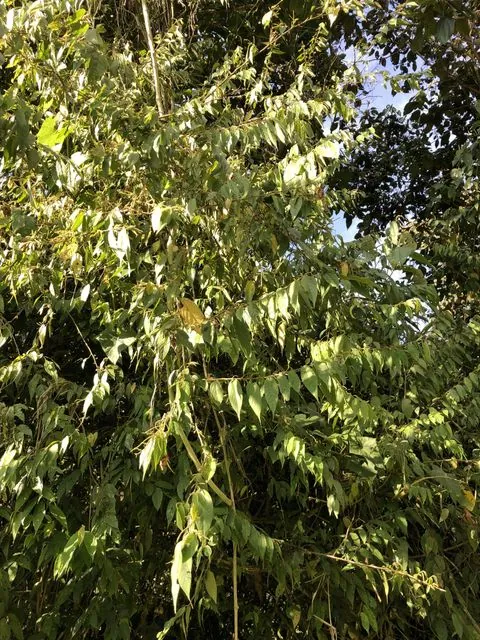
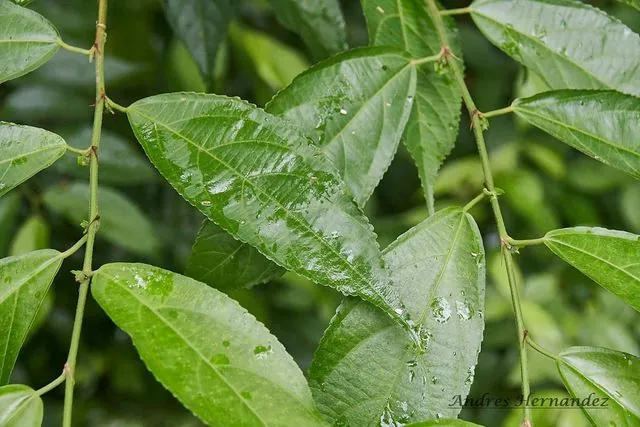
Canonical name: The scientific name without its authorship or date, for example Zea mays instead of Zea mays L. — The scientific name without its authorship or date, for example Zea mays instead of Zea mays L.
Acalypha diversifolia
Authorship: The author or authors credited with publishing the scientific name. It is written after the name, sometimes with the year, for example L. (Linnaeus) in Zea mays L. An author in parentheses first published the name in another genus or rank. — The author or authors credited with publishing the scientific name. It is written after the name, sometimes with the year, for example L. (Linnaeus) in Zea mays L. An author in parentheses first published the name in another genus or rank.
Jacq.
Common names
Names in other languages (24)Canilla de venado, Hierba para podridora, Huapilillo, Hua’isëyë, Jupi’waichi, Jupi’wallu, Jupi’wallu tape, Kuy sichik, Kwichi, Kwichi lulun, Moquillo, Pe’ pin tape, Pikuwa, Piqua, Pisak+h, Piya, Piya ja, Sanqui mula, Ungalala jupi’ wallu tape, Wetakeme, Wetakewe, Wichilla kwillur, Yaku kwillur, maria-preta
Kingdom: One of the broadest ranks of biological classification. It groups organisms that share very basic features, for example plants (Plantae), animals (Animalia) or fungi (Fungi). — One of the broadest ranks of biological classification. It groups organisms that share very basic features, for example plants (Plantae), animals (Animalia) or fungi (Fungi).
Plantae
Phylum: Rank below kingdom that groups organisms with a shared general body plan, for example chordates (Chordata), arthropods (Arthropoda) or vascular plants (Tracheophyta). In botany the same rank is also called division. — Rank below kingdom that groups organisms with a shared general body plan, for example chordates (Chordata), arthropods (Arthropoda) or vascular plants (Tracheophyta). In botany the same rank is also called division.
Tracheophyta
Class: Rank below phylum, for example mammals (Mammalia), birds (Aves), insects (Insecta) or monocot plants such as grasses and orchids (Liliopsida). — Rank below phylum, for example mammals (Mammalia), birds (Aves), insects (Insecta) or monocot plants such as grasses and orchids (Liliopsida).
Magnoliopsida
Order: Rank below class that groups related families, for example grasses and their relatives (Poales) or bats (Chiroptera). — Rank below class that groups related families, for example grasses and their relatives (Poales) or bats (Chiroptera).
Malpighiales
Family: Rank below order that groups related genera. Family names usually end in -aceae in botany (for example Poaceae, the grass family) and in -idae in zoology (for example Felidae, the cat family). — Rank below order that groups related genera. Family names usually end in -aceae in botany (for example Poaceae, the grass family) and in -idae in zoology (for example Felidae, the cat family).
Euphorbiaceae
Genus: Rank that groups closely related species. Its name is the first word of a species' scientific name and starts with a capital letter, for example Zea in Zea mays. — Rank that groups closely related species. Its name is the first word of a species' scientific name and starts with a capital letter, for example Zea in Zea mays.
Acalypha
Specific epithet: The second word of a species' scientific name. On its own it does not name the species: it always goes with the genus, for example mays in Zea mays. — The second word of a species' scientific name. On its own it does not name the species: it always goes with the genus, for example mays in Zea mays.
diversifolia
Taxonomic rank: The level a name occupies in the hierarchy of biological classification, such as kingdom, family, genus, species or subspecies. — The level a name occupies in the hierarchy of biological classification, such as kingdom, family, genus, species or subspecies.
species
Taxonomic status: Whether the taxonomic catalogue the record comes from currently accepts this name for the organism, or treats it as a synonym of another accepted name or as doubtful. — Whether the taxonomic catalogue the record comes from currently accepts this name for the organism, or treats it as a synonym of another accepted name or as doubtful.
accepted name
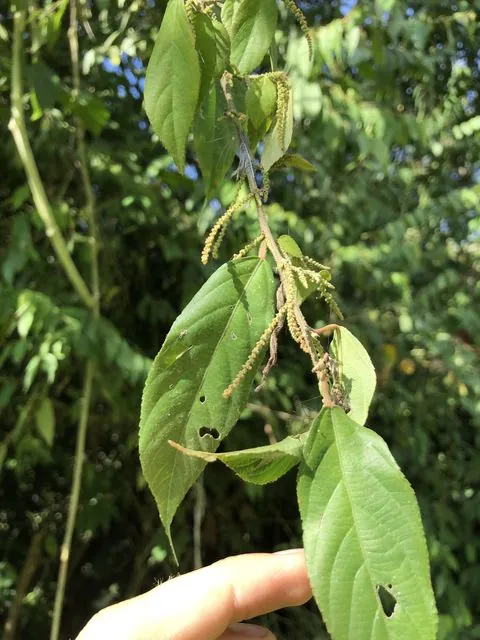
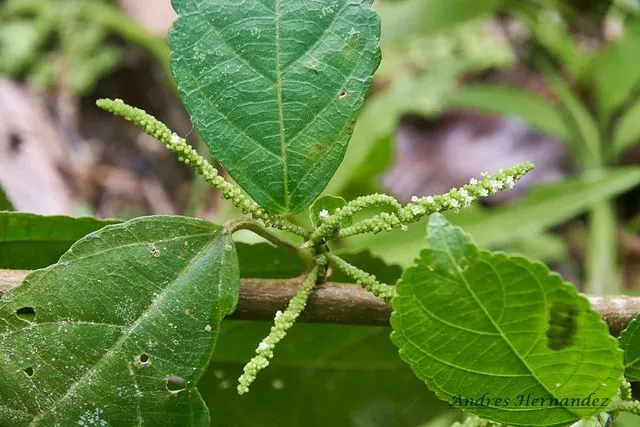
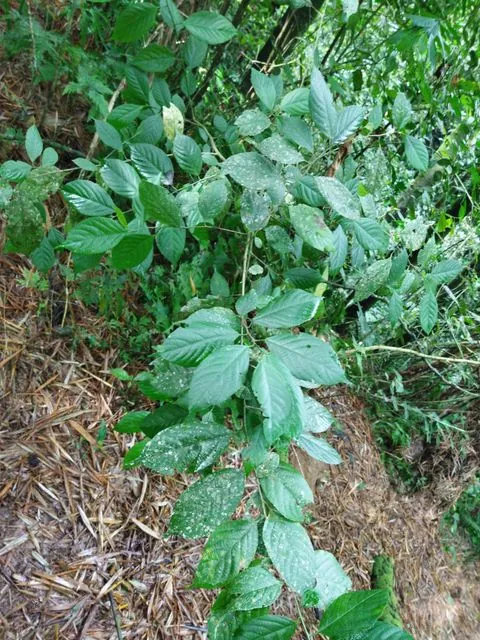
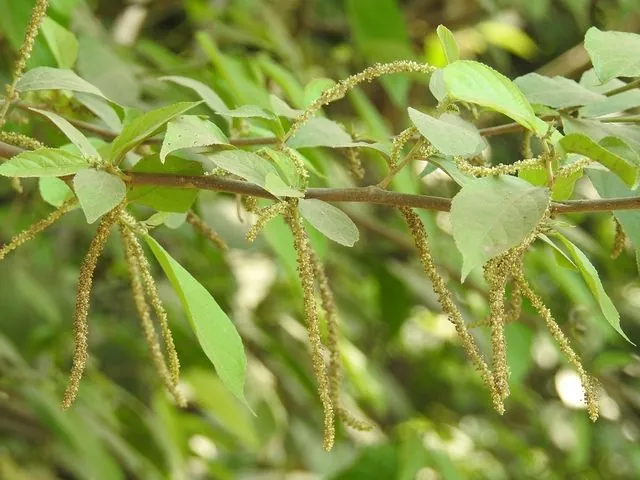
Photos and conservation status
IUCN Red List category: The extinction-risk category that the International Union for Conservation of Nature (IUCN) assigns to a species on its Red List. EX Extinct: there is no reasonable doubt that the last individual has died. EW Extinct in the wild: it survives only in cultivation, in captivity or as a population far outside its past range. CR Critically endangered, EN Endangered and VU Vulnerable: the three threatened categories, from an extremely high to a high risk of extinction in the wild. NT Near threatened: close to qualifying as threatened. LC Least concern: evaluated and not threatened. DD Data deficient: there is not enough information to assess its risk. NE Not evaluated: not yet assessed against the criteria. It describes the risk of the species worldwide, not its situation in a project's area. — The extinction-risk category that the International Union for Conservation of Nature (IUCN) assigns to a species on its Red List. EX Extinct: there is no reasonable doubt that the last individual has died. EW Extinct in the wild: it survives only in cultivation, in captivity or as a population far outside its past range. CR Critically endangered, EN Endangered and VU Vulnerable: the three threatened categories, from an extremely high to a high risk of extinction in the wild. NT Near threatened: close to qualifying as threatened. LC Least concern: evaluated and not threatened. DD Data deficient: there is not enough information to assess its risk. NE Not evaluated: not yet assessed against the criteria. It describes the risk of the species worldwide, not its situation in a project's area.
Least concern (LC)
Source: IUCN Red List via GBIF, queried on 2026-10-09 06:18.
Research-grade iNaturalist observations via GBIF, CC0 or CC BY licences only, queried on 2026-10-09 06:18.
Interacciones documentadas
GloBI says it is documented somewhere in the world. Biolitica answers whether it could happen here.
A documented interaction means it was recorded somewhere in the world. It does not mean it occurs here.
Types shown: 5 of 5
is a host of
×
is a parasite of
×
is pollinated by
×
is eaten by
×
is adjacent to
×
Blocks that do not sit under a navigation concept heading keep the source's own term: no navigation concept has been assigned to them yet.
is a host of
12 organisms
The authority declares no effect on this species for this term: neither that it harms it nor that it benefits it. In the source ontology symbiosis covers mutualism, commensalism and parasitism alike, so this block holds attackers and allies side by side.
Context: Area de Conservacion Guanacaste, Sector San Cristobal, Rio Blanco Abajo · March 20, 2002 · Material sample
Claim type
Published relationship between two taxa
Version
GloBI 0.11
Reuse
This release publishes no reuse terms for this record.
Area de Conservacion Guanacaste, Sector San Cristobal, Rio Blanco Abajo · March 20, 2002 · Material sampleAs published: 2002-03-20T00:00:00Z · MATERIAL_SAMPLEWhere it is: line:hash://sha256/021a206a1459bcca7e251c73f5bd180fc3ac342a09c499855fe42e21fc09edcf!/interactions.tsv.gz!/L12921793
Context: Area de Conservacion Guanacaste, Sector San Cristobal, Rio Blanco Abajo · May 26, 2002 · Material sample
Claim type
Published relationship between two taxa
Version
GloBI 0.11
Reuse
This release publishes no reuse terms for this record.
Area de Conservacion Guanacaste, Sector San Cristobal, Rio Blanco Abajo · May 26, 2002 · Material sampleAs published: 2002-05-26T00:00:00Z · MATERIAL_SAMPLEWhere it is: line:hash://sha256/021a206a1459bcca7e251c73f5bd180fc3ac342a09c499855fe42e21fc09edcf!/interactions.tsv.gz!/L12921794
Context: Area de Conservacion Guanacaste, Sector San Cristobal, Rio Blanco Abajo · March 23, 2004 · Material sample
Claim type
Published relationship between two taxa
Version
GloBI 0.11
Reuse
This release publishes no reuse terms for this record.
Area de Conservacion Guanacaste, Sector San Cristobal, Rio Blanco Abajo · March 23, 2004 · Material sampleAs published: 2004-03-23T00:00:00Z · MATERIAL_SAMPLEWhere it is: line:hash://sha256/021a206a1459bcca7e251c73f5bd180fc3ac342a09c499855fe42e21fc09edcf!/interactions.tsv.gz!/L12921795
Context: Area de Conservacion Guanacaste, Sector San Cristobal, Rio Blanco Abajo · March 25, 2004 · Material sample
Claim type
Published relationship between two taxa
Version
GloBI 0.11
Reuse
This release publishes no reuse terms for this record.
Area de Conservacion Guanacaste, Sector San Cristobal, Rio Blanco Abajo · March 25, 2004 · Material sampleAs published: 2004-03-25T00:00:00Z · MATERIAL_SAMPLEWhere it is: line:hash://sha256/021a206a1459bcca7e251c73f5bd180fc3ac342a09c499855fe42e21fc09edcf!/interactions.tsv.gz!/L12922378
Context: Area de Conservacion Guanacaste, Sector San Cristobal, Rio Blanco Abajo · March 24, 2004 · Material sample
Claim type
Published relationship between two taxa
Version
GloBI 0.11
Reuse
This release publishes no reuse terms for this record.
Area de Conservacion Guanacaste, Sector San Cristobal, Rio Blanco Abajo · March 24, 2004 · Material sampleAs published: 2004-03-24T00:00:00Z · MATERIAL_SAMPLEWhere it is: line:hash://sha256/021a206a1459bcca7e251c73f5bd180fc3ac342a09c499855fe42e21fc09edcf!/interactions.tsv.gz!/L12922379
Context: Area de Conservacion Guanacaste, Sector San Cristobal, Rio Blanco Abajo · March 24, 2004 · Material sample
Claim type
Published relationship between two taxa
Version
GloBI 0.11
Reuse
This release publishes no reuse terms for this record.
Area de Conservacion Guanacaste, Sector San Cristobal, Rio Blanco Abajo · March 24, 2004 · Material sampleAs published: 2004-03-24T00:00:00Z · MATERIAL_SAMPLEWhere it is: line:hash://sha256/021a206a1459bcca7e251c73f5bd180fc3ac342a09c499855fe42e21fc09edcf!/interactions.tsv.gz!/L12922380
Context: Area de Conservacion Guanacaste, Sector Del Oro, Quebrada Raiz · Nov. 21, 2001 · Material sample
Claim type
Published relationship between two taxa
Version
GloBI 0.11
Reuse
This release publishes no reuse terms for this record.
Area de Conservacion Guanacaste, Sector Del Oro, Quebrada Raiz · Nov. 21, 2001 · Material sampleAs published: 2001-11-21T00:00:00Z · MATERIAL_SAMPLEWhere it is: line:hash://sha256/021a206a1459bcca7e251c73f5bd180fc3ac342a09c499855fe42e21fc09edcf!/interactions.tsv.gz!/L12923442
Context: Area de Conservacion Guanacaste, Sector San Cristobal, Rio Blanco Abajo · Sept. 25, 2006 · Material sample
Claim type
Published relationship between two taxa
Version
GloBI 0.11
Reuse
This release publishes no reuse terms for this record.
Area de Conservacion Guanacaste, Sector San Cristobal, Rio Blanco Abajo · Sept. 25, 2006 · Material sampleAs published: 2006-09-25T00:00:00Z · MATERIAL_SAMPLEWhere it is: line:hash://sha256/021a206a1459bcca7e251c73f5bd180fc3ac342a09c499855fe42e21fc09edcf!/interactions.tsv.gz!/L12924519
Context: Area de Conservacion Guanacaste, Sector San Cristobal, Rio Blanco Abajo · March 3, 2017 · Material sample
Claim type
Published relationship between two taxa
Version
GloBI 0.11
Reuse
This release publishes no reuse terms for this record.
Area de Conservacion Guanacaste, Sector San Cristobal, Rio Blanco Abajo · March 3, 2017 · Material sampleAs published: 2017-03-03T00:00:00Z · MATERIAL_SAMPLEWhere it is: line:hash://sha256/021a206a1459bcca7e251c73f5bd180fc3ac342a09c499855fe42e21fc09edcf!/interactions.tsv.gz!/L12806522
Context: no place published · no date published · Material sample
Claim type
Published relationship between two taxa
Version
GloBI 0.11
Reuse
This release publishes no reuse terms for this record.
no place published · no date published · Material sampleAs published: MATERIAL_SAMPLEWhere it is: line:hash://sha256/021a206a1459bcca7e251c73f5bd180fc3ac342a09c499855fe42e21fc09edcf!/interactions.tsv.gz!/L12818160
Context: no place published · no date published · Material sample
Claim type
Published relationship between two taxa
Version
GloBI 0.11
Reuse
This release publishes no reuse terms for this record.
no place published · no date published · Material sampleAs published: MATERIAL_SAMPLEWhere it is: line:hash://sha256/021a206a1459bcca7e251c73f5bd180fc3ac342a09c499855fe42e21fc09edcf!/interactions.tsv.gz!/L12818161
Context: no place published · no date published · Material sample
Claim type
Published relationship between two taxa
Version
GloBI 0.11
Reuse
This release publishes no reuse terms for this record.
no place published · no date published · Material sampleAs published: MATERIAL_SAMPLEWhere it is: line:hash://sha256/021a206a1459bcca7e251c73f5bd180fc3ac342a09c499855fe42e21fc09edcf!/interactions.tsv.gz!/L12818162
Context: Area de Conservacion Guanacaste, Sector San Cristobal, Rio Blanco Abajo · Nov. 15, 2003 · Material sample
Claim type
Published relationship between two taxa
Version
GloBI 0.11
Reuse
This release publishes no reuse terms for this record.
Area de Conservacion Guanacaste, Sector San Cristobal, Rio Blanco Abajo · Nov. 15, 2003 · Material sampleAs published: 2003-11-15T00:00:00Z · MATERIAL_SAMPLEWhere it is: line:hash://sha256/021a206a1459bcca7e251c73f5bd180fc3ac342a09c499855fe42e21fc09edcf!/interactions.tsv.gz!/L12921691
Context: Area de Conservacion Guanacaste, Sector San Cristobal, Sendero Corredor · Nov. 16, 2003 · Material sample
Claim type
Published relationship between two taxa
Version
GloBI 0.11
Reuse
This release publishes no reuse terms for this record.
Area de Conservacion Guanacaste, Sector San Cristobal, Sendero Corredor · Nov. 16, 2003 · Material sampleAs published: 2003-11-16T00:00:00Z · MATERIAL_SAMPLEWhere it is: line:hash://sha256/021a206a1459bcca7e251c73f5bd180fc3ac342a09c499855fe42e21fc09edcf!/interactions.tsv.gz!/L12921692
Context: Area de Conservacion Guanacaste, Sector San Cristobal, Rio Blanco Abajo · Feb. 14, 2004 · Material sample
Claim type
Published relationship between two taxa
Version
GloBI 0.11
Reuse
This release publishes no reuse terms for this record.
Area de Conservacion Guanacaste, Sector San Cristobal, Rio Blanco Abajo · Feb. 14, 2004 · Material sampleAs published: 2004-02-14T00:00:00Z · MATERIAL_SAMPLEWhere it is: line:hash://sha256/021a206a1459bcca7e251c73f5bd180fc3ac342a09c499855fe42e21fc09edcf!/interactions.tsv.gz!/L12921698
Context: Area de Conservacion Guanacaste, Sector Del Oro, Puente Mena · Oct. 29, 2003 · Material sample
Claim type
Published relationship between two taxa
Version
GloBI 0.11
Reuse
This release publishes no reuse terms for this record.
Area de Conservacion Guanacaste, Sector Del Oro, Puente Mena · Oct. 29, 2003 · Material sampleAs published: 2003-10-29T00:00:00Z · MATERIAL_SAMPLEWhere it is: line:hash://sha256/021a206a1459bcca7e251c73f5bd180fc3ac342a09c499855fe42e21fc09edcf!/interactions.tsv.gz!/L12923438
Context: Las Cascadas Plantation, near Summit, Canal Zone · Jan. 4, 1924 · Preserved specimen
Claim type
Published relationship between two taxa
Version
GloBI 0.11
Reuse
This release publishes no reuse terms for this record.
Las Cascadas Plantation, near Summit, Canal Zone · Jan. 4, 1924 · Preserved specimenAs published: 1924-01-04T00:00:00Z · PreservedSpecimenWhere it is: line:hash://sha256/021a206a1459bcca7e251c73f5bd180fc3ac342a09c499855fe42e21fc09edcf!/interactions.tsv.gz!/L17384710
Context: Las Cascadas Plantation, near Summit, Canal Zone · Dec. 2, 1923 · Preserved specimen
Claim type
Published relationship between two taxa
Version
GloBI 0.11
Reuse
This release publishes no reuse terms for this record.
Las Cascadas Plantation, near Summit, Canal Zone · Dec. 2, 1923 · Preserved specimenAs published: 1923-12-02T00:00:00Z · PreservedSpecimenWhere it is: line:hash://sha256/021a206a1459bcca7e251c73f5bd180fc3ac342a09c499855fe42e21fc09edcf!/interactions.tsv.gz!/L17384715
Context: Area de Conservacion Guanacaste, Sector San Cristobal, Sendero Corredor · Nov. 16, 2003 · Material sample
Claim type
Published relationship between two taxa
Version
GloBI 0.11
Reuse
This release publishes no reuse terms for this record.
Area de Conservacion Guanacaste, Sector San Cristobal, Sendero Corredor · Nov. 16, 2003 · Material sampleAs published: 2003-11-16T00:00:00Z · MATERIAL_SAMPLEWhere it is: line:hash://sha256/021a206a1459bcca7e251c73f5bd180fc3ac342a09c499855fe42e21fc09edcf!/interactions.tsv.gz!/L12921690
Context: Area de Conservacion Guanacaste, Sector San Cristobal, Rio Blanco Abajo · Feb. 13, 2004 · Material sample
Claim type
Published relationship between two taxa
Version
GloBI 0.11
Reuse
This release publishes no reuse terms for this record.
Area de Conservacion Guanacaste, Sector San Cristobal, Rio Blanco Abajo · Feb. 13, 2004 · Material sampleAs published: 2004-02-13T00:00:00Z · MATERIAL_SAMPLEWhere it is: line:hash://sha256/021a206a1459bcca7e251c73f5bd180fc3ac342a09c499855fe42e21fc09edcf!/interactions.tsv.gz!/L12921697
Context: Area de Conservacion Guanacaste, Sector Del Oro, Chon · Nov. 6, 2002 · Material sample
Claim type
Published relationship between two taxa
Version
GloBI 0.11
Reuse
This release publishes no reuse terms for this record.
Area de Conservacion Guanacaste, Sector Del Oro, Chon · Nov. 6, 2002 · Material sampleAs published: 2002-11-06T00:00:00Z · MATERIAL_SAMPLEWhere it is: line:hash://sha256/021a206a1459bcca7e251c73f5bd180fc3ac342a09c499855fe42e21fc09edcf!/interactions.tsv.gz!/L12921796
Context: Area de Conservacion Guanacaste, Sector San Cristobal, Rio Blanco Abajo · March 24, 2002 · Material sample
Claim type
Published relationship between two taxa
Version
GloBI 0.11
Reuse
This release publishes no reuse terms for this record.
Area de Conservacion Guanacaste, Sector San Cristobal, Rio Blanco Abajo · March 24, 2002 · Material sampleAs published: 2002-03-24T00:00:00Z · MATERIAL_SAMPLEWhere it is: line:hash://sha256/021a206a1459bcca7e251c73f5bd180fc3ac342a09c499855fe42e21fc09edcf!/interactions.tsv.gz!/L12924715
Context: Area de Conservacion Guanacaste, Rincon Rainforest, Vado Rio Francia · Sept. 7, 2009 · Material sample
Claim type
Published relationship between two taxa
Version
GloBI 0.11
Reuse
This release publishes no reuse terms for this record.
Area de Conservacion Guanacaste, Rincon Rainforest, Vado Rio Francia · Sept. 7, 2009 · Material sampleAs published: 2009-09-07T00:00:00Z · MATERIAL_SAMPLEWhere it is: line:hash://sha256/021a206a1459bcca7e251c73f5bd180fc3ac342a09c499855fe42e21fc09edcf!/interactions.tsv.gz!/L12940429
Context: Area de Conservacion Guanacaste, Sector Rincon Rain Forest, Sendero Juntas · no date published · Material sample
Claim type
Published relationship between two taxa
Version
GloBI 0.11
Reuse
This release publishes no reuse terms for this record.
Area de Conservacion Guanacaste, Sector Rincon Rain Forest, Sendero Juntas · no date published · Material sampleAs published: MATERIAL_SAMPLEWhere it is: line:hash://sha256/021a206a1459bcca7e251c73f5bd180fc3ac342a09c499855fe42e21fc09edcf!/interactions.tsv.gz!/L12941497
Context: Area de Conservacion Guanacaste, Sector Rincon Rain Forest, Sendero Juntas · Sept. 30, 2009 · Material sample
Claim type
Published relationship between two taxa
Version
GloBI 0.11
Reuse
This release publishes no reuse terms for this record.
Area de Conservacion Guanacaste, Sector Rincon Rain Forest, Sendero Juntas · Sept. 30, 2009 · Material sampleAs published: 2009-09-30T00:00:00Z · MATERIAL_SAMPLEWhere it is: line:hash://sha256/021a206a1459bcca7e251c73f5bd180fc3ac342a09c499855fe42e21fc09edcf!/interactions.tsv.gz!/L12942921
Context: Area de Conservacion Guanacaste, Sector Rincon Rain Forest, Sendero Juntas · Aug. 26, 2010 · Material sample
Claim type
Published relationship between two taxa
Version
GloBI 0.11
Reuse
This release publishes no reuse terms for this record.
Area de Conservacion Guanacaste, Sector Rincon Rain Forest, Sendero Juntas · Aug. 26, 2010 · Material sampleAs published: 2010-08-26T00:00:00Z · MATERIAL_SAMPLEWhere it is: line:hash://sha256/021a206a1459bcca7e251c73f5bd180fc3ac342a09c499855fe42e21fc09edcf!/interactions.tsv.gz!/L12945431
Context: Area de Conservacion Guanacaste, Sector Rincon Rain Forest, Puente Rio Negro · May 27, 2010 · Material sample
Claim type
Published relationship between two taxa
Version
GloBI 0.11
Reuse
This release publishes no reuse terms for this record.
Area de Conservacion Guanacaste, Sector Rincon Rain Forest, Puente Rio Negro · May 27, 2010 · Material sampleAs published: 2010-05-27T00:00:00Z · MATERIAL_SAMPLEWhere it is: line:hash://sha256/021a206a1459bcca7e251c73f5bd180fc3ac342a09c499855fe42e21fc09edcf!/interactions.tsv.gz!/L12949800
Context: Area de Conservacion Guanacaste, Sector San Cristobal, Tajo Angeles · Aug. 14, 2010 · Material sample
Claim type
Published relationship between two taxa
Version
GloBI 0.11
Reuse
This release publishes no reuse terms for this record.
Area de Conservacion Guanacaste, Sector San Cristobal, Tajo Angeles · Aug. 14, 2010 · Material sampleAs published: 2010-08-14T00:00:00Z · MATERIAL_SAMPLEWhere it is: line:hash://sha256/021a206a1459bcca7e251c73f5bd180fc3ac342a09c499855fe42e21fc09edcf!/interactions.tsv.gz!/L12950990
Context: Area de Conservacion Guanacaste, Sector Rincon Rain Forest, Sendero Juntas · June 28, 2010 · Material sample
Claim type
Published relationship between two taxa
Version
GloBI 0.11
Reuse
This release publishes no reuse terms for this record.
Area de Conservacion Guanacaste, Sector Rincon Rain Forest, Sendero Juntas · June 28, 2010 · Material sampleAs published: 2010-06-28T00:00:00Z · MATERIAL_SAMPLEWhere it is: line:hash://sha256/021a206a1459bcca7e251c73f5bd180fc3ac342a09c499855fe42e21fc09edcf!/interactions.tsv.gz!/L12951566
Context: Area de Conservacion Guanacaste, Sector San Cristobal, Puente Palma · Nov. 20, 2009 · Material sample
Claim type
Published relationship between two taxa
Version
GloBI 0.11
Reuse
This release publishes no reuse terms for this record.
Area de Conservacion Guanacaste, Sector San Cristobal, Puente Palma · Nov. 20, 2009 · Material sampleAs published: 2009-11-20T00:00:00Z · MATERIAL_SAMPLEWhere it is: line:hash://sha256/021a206a1459bcca7e251c73f5bd180fc3ac342a09c499855fe42e21fc09edcf!/interactions.tsv.gz!/L12941168
Context: Area de Conservacion Guanacaste, Sector Del Oro, Chon · Dec. 9, 2009 · Material sample
Claim type
Published relationship between two taxa
Version
GloBI 0.11
Reuse
This release publishes no reuse terms for this record.
Area de Conservacion Guanacaste, Sector Del Oro, Chon · Dec. 9, 2009 · Material sampleAs published: 2009-12-09T00:00:00Z · MATERIAL_SAMPLEWhere it is: line:hash://sha256/021a206a1459bcca7e251c73f5bd180fc3ac342a09c499855fe42e21fc09edcf!/interactions.tsv.gz!/L12942441
Context: Area de Conservacion Guanacaste, Sector Rincon Rain Forest, Quebrada Escondida · July 18, 2009 · Material sample
Claim type
Published relationship between two taxa
Version
GloBI 0.11
Reuse
This release publishes no reuse terms for this record.
Area de Conservacion Guanacaste, Sector Rincon Rain Forest, Quebrada Escondida · July 18, 2009 · Material sampleAs published: 2009-07-18T00:00:00Z · MATERIAL_SAMPLEWhere it is: line:hash://sha256/021a206a1459bcca7e251c73f5bd180fc3ac342a09c499855fe42e21fc09edcf!/interactions.tsv.gz!/L12942592
Context: Area de Conservacion Guanacaste, Sector Del Oro, Bosque Aguirre · June 5, 2010 · Material sample
Claim type
Published relationship between two taxa
Version
GloBI 0.11
Reuse
This release publishes no reuse terms for this record.
Area de Conservacion Guanacaste, Sector Del Oro, Bosque Aguirre · June 5, 2010 · Material sampleAs published: 2010-06-05T00:00:00Z · MATERIAL_SAMPLEWhere it is: line:hash://sha256/021a206a1459bcca7e251c73f5bd180fc3ac342a09c499855fe42e21fc09edcf!/interactions.tsv.gz!/L12945408
Context: Area de Conservacion Guanacaste, Sector Rincon Rain Forest, San Lucas · July 18, 2010 · Material sample
Claim type
Published relationship between two taxa
Version
GloBI 0.11
Reuse
This release publishes no reuse terms for this record.
Area de Conservacion Guanacaste, Sector Rincon Rain Forest, San Lucas · July 18, 2010 · Material sampleAs published: 2010-07-18T00:00:00Z · MATERIAL_SAMPLEWhere it is: line:hash://sha256/021a206a1459bcca7e251c73f5bd180fc3ac342a09c499855fe42e21fc09edcf!/interactions.tsv.gz!/L12949501
Context: Area de Conservacion Guanacaste, Sector Rincon Rain Forest, San Lucas · July 23, 2010 · Material sample
Claim type
Published relationship between two taxa
Version
GloBI 0.11
Reuse
This release publishes no reuse terms for this record.
Area de Conservacion Guanacaste, Sector Rincon Rain Forest, San Lucas · July 23, 2010 · Material sampleAs published: 2010-07-23T00:00:00Z · MATERIAL_SAMPLEWhere it is: line:hash://sha256/021a206a1459bcca7e251c73f5bd180fc3ac342a09c499855fe42e21fc09edcf!/interactions.tsv.gz!/L12951643
Context: Area de Conservacion Guanacaste, Sector San Cristobal, Sendero Huerta · Nov. 28, 2009 · Material sample
Claim type
Published relationship between two taxa
Version
GloBI 0.11
Reuse
This release publishes no reuse terms for this record.
Area de Conservacion Guanacaste, Sector San Cristobal, Sendero Huerta · Nov. 28, 2009 · Material sampleAs published: 2009-11-28T00:00:00Z · MATERIAL_SAMPLEWhere it is: line:hash://sha256/021a206a1459bcca7e251c73f5bd180fc3ac342a09c499855fe42e21fc09edcf!/interactions.tsv.gz!/L12941118
Context: Area de Conservacion Guanacaste, Sector Rincon Rain Forest, San Lucas · July 30, 2010 · Material sample
Claim type
Published relationship between two taxa
Version
GloBI 0.11
Reuse
This release publishes no reuse terms for this record.
Area de Conservacion Guanacaste, Sector Rincon Rain Forest, San Lucas · July 30, 2010 · Material sampleAs published: 2010-07-30T00:00:00Z · MATERIAL_SAMPLEWhere it is: line:hash://sha256/021a206a1459bcca7e251c73f5bd180fc3ac342a09c499855fe42e21fc09edcf!/interactions.tsv.gz!/L12949495
Context: Area de Conservacion Guanacaste, Sector Rincon Rain Forest, San Lucas · Aug. 7, 2010 · Material sample
Claim type
Published relationship between two taxa
Version
GloBI 0.11
Reuse
This release publishes no reuse terms for this record.
Area de Conservacion Guanacaste, Sector Rincon Rain Forest, San Lucas · Aug. 7, 2010 · Material sampleAs published: 2010-08-07T00:00:00Z · MATERIAL_SAMPLEWhere it is: line:hash://sha256/021a206a1459bcca7e251c73f5bd180fc3ac342a09c499855fe42e21fc09edcf!/interactions.tsv.gz!/L12950527
Context: Area de Conservacion Guanacaste, Sector Rincon Rain Forest, San Lucas · Aug. 5, 2010 · Material sample
Claim type
Published relationship between two taxa
Version
GloBI 0.11
Reuse
This release publishes no reuse terms for this record.
Area de Conservacion Guanacaste, Sector Rincon Rain Forest, San Lucas · Aug. 5, 2010 · Material sampleAs published: 2010-08-05T00:00:00Z · MATERIAL_SAMPLEWhere it is: line:hash://sha256/021a206a1459bcca7e251c73f5bd180fc3ac342a09c499855fe42e21fc09edcf!/interactions.tsv.gz!/L12950558
Context: Area de Conservacion Guanacaste, Sector Rincon Rain Forest, San Lucas · Aug. 2, 2010 · Material sample
Claim type
Published relationship between two taxa
Version
GloBI 0.11
Reuse
This release publishes no reuse terms for this record.
Area de Conservacion Guanacaste, Sector Rincon Rain Forest, San Lucas · Aug. 2, 2010 · Material sampleAs published: 2010-08-02T00:00:00Z · MATERIAL_SAMPLEWhere it is: line:hash://sha256/021a206a1459bcca7e251c73f5bd180fc3ac342a09c499855fe42e21fc09edcf!/interactions.tsv.gz!/L12950569
Context: Area de Conservacion Guanacaste, Sector San Cristobal, Sendero Corredor · March 11, 2003 · Material sample
Claim type
Published relationship between two taxa
Version
GloBI 0.11
Reuse
This release publishes no reuse terms for this record.
Area de Conservacion Guanacaste, Sector San Cristobal, Sendero Corredor · March 11, 2003 · Material sampleAs published: 2003-03-11T00:00:00Z · MATERIAL_SAMPLEWhere it is: line:hash://sha256/021a206a1459bcca7e251c73f5bd180fc3ac342a09c499855fe42e21fc09edcf!/interactions.tsv.gz!/L12926096
Context: Area de Conservacion Guanacaste, Sector San Cristobal, Sendero Corredor · March 9, 2003 · Material sample
Claim type
Published relationship between two taxa
Version
GloBI 0.11
Reuse
This release publishes no reuse terms for this record.
Area de Conservacion Guanacaste, Sector San Cristobal, Sendero Corredor · March 9, 2003 · Material sampleAs published: 2003-03-09T00:00:00Z · MATERIAL_SAMPLEWhere it is: line:hash://sha256/021a206a1459bcca7e251c73f5bd180fc3ac342a09c499855fe42e21fc09edcf!/interactions.tsv.gz!/L12926097
Context: Area de Conservacion Guanacaste, Sector San Cristobal, Finca San Gabriel · Jan. 16, 2010 · Material sample
Claim type
Published relationship between two taxa
Version
GloBI 0.11
Reuse
This release publishes no reuse terms for this record.
Area de Conservacion Guanacaste, Sector San Cristobal, Finca San Gabriel · Jan. 16, 2010 · Material sampleAs published: 2010-01-16T00:00:00Z · MATERIAL_SAMPLEWhere it is: line:hash://sha256/021a206a1459bcca7e251c73f5bd180fc3ac342a09c499855fe42e21fc09edcf!/interactions.tsv.gz!/L12942191
This term declares that the organism benefits this species. «Visits the flowers of» is a different term and a different block: a visitor is not a pollinator, and merging the two is the measured defect that turned ~88 shared «pollinators» into birds and primates.
Organism
Reads as
Studies
Where it was documented
Actions
CosmosomaErebidae
is pollinated by
1
not compared
Not a modelling unit: the source publishes it at genus level.
1 source · 1 record
Ugo Mendes Diniz, Alexander Keller, Gunnar Brehm, Sabine Fernanda Viteri Lalama, Kilian Frühholz, Maximilian Pitz, Julia Windl, Santiago Erazo, Santiago Fernando Burneo, Marco Tschapka, Sara Diana Leonhardt; The neglected pollinators: settling moths are keystone floral visitors …
Published in globalbioticinteractions/mendes-diniz-2025
Context: Ecuador · April 4, 2022
Claim type
Published relationship between two taxa
Version
GloBI 0.11
Reuse
This release publishes no reuse terms for this record.
Ecuador · April 4, 2022As published: 2022-04-04T00:00:00ZWhere it is: line:hash://sha256/021a206a1459bcca7e251c73f5bd180fc3ac342a09c499855fe42e21fc09edcf!/interactions.tsv.gz!/L12457557
A published relationship says these two taxa were documented interacting. It does not say how often, or that it happens in this project's region.
Xylophanes thyeliaSphingidae
is pollinated by
1
not compared
1 source · 1 record
Ugo Mendes Diniz, Alexander Keller, Gunnar Brehm, Sabine Fernanda Viteri Lalama, Kilian Frühholz, Maximilian Pitz, Julia Windl, Santiago Erazo, Santiago Fernando Burneo, Marco Tschapka, Sara Diana Leonhardt; The neglected pollinators: settling moths are keystone floral visitors …
Published in globalbioticinteractions/mendes-diniz-2025
Context: Ecuador · April 22, 2022
Claim type
Published relationship between two taxa
Version
GloBI 0.11
Reuse
This release publishes no reuse terms for this record.
Ecuador · April 22, 2022As published: 2022-04-22T00:00:00ZWhere it is: line:hash://sha256/021a206a1459bcca7e251c73f5bd180fc3ac342a09c499855fe42e21fc09edcf!/interactions.tsv.gz!/L12455135
A published relationship says these two taxa were documented interacting. It does not say how often, or that it happens in this project's region.
Xylophanes corpusSphingidae
is pollinated by
1
not compared
1 source · 1 record
Ugo Mendes Diniz, Alexander Keller, Gunnar Brehm, Sabine Fernanda Viteri Lalama, Kilian Frühholz, Maximilian Pitz, Julia Windl, Santiago Erazo, Santiago Fernando Burneo, Marco Tschapka, Sara Diana Leonhardt; The neglected pollinators: settling moths are keystone floral visitors …
Published in globalbioticinteractions/mendes-diniz-2025
Context: Ecuador · Nov. 14, 2022
Claim type
Published relationship between two taxa
Version
GloBI 0.11
Reuse
This release publishes no reuse terms for this record.
Ecuador · Nov. 14, 2022As published: 2022-11-14T00:00:00ZWhere it is: line:hash://sha256/021a206a1459bcca7e251c73f5bd180fc3ac342a09c499855fe42e21fc09edcf!/interactions.tsv.gz!/L12455125
A published relationship says these two taxa were documented interacting. It does not say how often, or that it happens in this project's region.
Cosmosoma klagesiErebidae
is pollinated by
1
not compared
1 source · 2 records
Ugo Mendes Diniz, Alexander Keller, Gunnar Brehm, Sabine Fernanda Viteri Lalama, Kilian Frühholz, Maximilian Pitz, Julia Windl, Santiago Erazo, Santiago Fernando Burneo, Marco Tschapka, Sara Diana Leonhardt; The neglected pollinators: settling moths are keystone floral visitors …
Published in globalbioticinteractions/mendes-diniz-2025
This release publishes no reuse terms for this record.
Ecuador · Oct. 21, 2022As published: 2022-10-21T00:00:00ZWhere it is: line:hash://sha256/021a206a1459bcca7e251c73f5bd180fc3ac342a09c499855fe42e21fc09edcf!/interactions.tsv.gz!/L12457283
Ecuador · Oct. 29, 2022As published: 2022-10-29T00:00:00ZWhere it is: line:hash://sha256/021a206a1459bcca7e251c73f5bd180fc3ac342a09c499855fe42e21fc09edcf!/interactions.tsv.gz!/L12457445
This term does declare that the organism harms this species.
Organism
Reads as
Studies
Where it was documented
Actions
Baleja rufofasciataCicadellidae
is eaten by
2
no location
2 sources · 2 records
Domínguez León, D.E., Murillo, V. & Orwat, J. (2021) Leafhopper food plants in a Neotropical forest in Panama (Hemiptera: Cicadellidae). <i>Anais da Academia Brasileira de Ciências</i>, 93(2), 1–12.
Published in urn:lsid:checklistbank.org:dataset:2317
Context: no place published · no date published
Claim type
Published relationship between two taxa
Version
GloBI 0.11
Reuse
This release publishes no reuse terms for this record.
no place published · no date publishedWhere it is: line:hash://sha256/021a206a1459bcca7e251c73f5bd180fc3ac342a09c499855fe42e21fc09edcf!/interactions.tsv.gz!/L1303376
No public URL for this record
@article{115704, author = {Domínguez León, Daniel Edwin and Murillo, Vielka and Orwat, Jacqueline}, journal = {Anais da Academia Brasileira de Ciencias}, number = {2}, pages = {1-12}, title = {Leafhopper food plants in a Neotropical forest in Panama (Hemiptera: Cicadel…
Published in globalbioticinteractions/taxonworks
Context: no place published · no date published
Claim type
Published relationship between two taxa
Version
GloBI 0.11
Reuse
This release publishes no reuse terms for this record.
no place published · no date publishedWhere it is: line:hash://sha256/021a206a1459bcca7e251c73f5bd180fc3ac342a09c499855fe42e21fc09edcf!/interactions.tsv.gz!/L5979741
No public URL for this record
A published relationship says these two taxa were documented interacting. It does not say how often, or that it happens in this project's region.
Enchenopa melaleucaMembracidae
is eaten by
1
no location
1 source · 1 record
Flynn, D.J. (2024) Updated checklist of treehoppers of Panama (Hemiptera: Membracidae) with plant associations. <i>Zootaxa</i>, 5415(1), 1–55. https://doi.org/10.11646/zootaxa.5415.1.1
Published in urn:lsid:checklistbank.org:dataset:2317
Context: no place published · no date published
Claim type
Published relationship between two taxa
Version
GloBI 0.11
Reuse
This release publishes no reuse terms for this record.
no place published · no date publishedWhere it is: line:hash://sha256/021a206a1459bcca7e251c73f5bd180fc3ac342a09c499855fe42e21fc09edcf!/interactions.tsv.gz!/L1303955
A published relationship says these two taxa were documented interacting. It does not say how often, or that it happens in this project's region.
Erechtia cristaltaMembracidae
is eaten by
1
no location
1 source · 1 record
Lapèze, J., Sellan, G. & Cocchi, E. (2025) Synthesis of knowledge on treehoppers from French Guiana (Hemiptera: Membracidae, Aetalionidae). Part II: biology, host-plants, and interactions. <i>Faunitaxys. Revue de Faunistique, Taxonomie et Systématique morphologique et molécu…
Published in urn:lsid:checklistbank.org:dataset:2317
Context: no place published · no date published
Claim type
Published relationship between two taxa
Version
GloBI 0.11
Reuse
This release publishes no reuse terms for this record.
no place published · no date publishedWhere it is: line:hash://sha256/021a206a1459bcca7e251c73f5bd180fc3ac342a09c499855fe42e21fc09edcf!/interactions.tsv.gz!/L1296982
No public URL for this record
A published relationship says these two taxa were documented interacting. It does not say how often, or that it happens in this project's region.
Membracis nigraMembracidae
is eaten by
1
no location
1 source · 1 record
Lapèze, J., Sellan, G. & Cocchi, E. (2025) Synthesis of knowledge on treehoppers from French Guiana (Hemiptera: Membracidae, Aetalionidae). Part II: biology, host-plants, and interactions. <i>Faunitaxys. Revue de Faunistique, Taxonomie et Systématique morphologique et molécu…
Published in urn:lsid:checklistbank.org:dataset:2317
Context: no place published · no date published
Claim type
Published relationship between two taxa
Version
GloBI 0.11
Reuse
This release publishes no reuse terms for this record.
no place published · no date publishedWhere it is: line:hash://sha256/021a206a1459bcca7e251c73f5bd180fc3ac342a09c499855fe42e21fc09edcf!/interactions.tsv.gz!/L1296924
No public URL for this record
A published relationship says these two taxa were documented interacting. It does not say how often, or that it happens in this project's region.
Showing 4 of 4, by number of studies
is adjacent to
2 organisms
The authority declares no effect on this species for this term: neither that it harms it nor that it benefits it.
Organism
Reads as
Studies
Where it was documented
Actions
Appendiculella larviformisMeliolaceae
is adjacent to
2
not compared
2 sources · 2 records
bd6d3271-bc1e-4422-8b40-f30927939272
Published in globalbioticinteractions/fmnh
Context: Lancetilla Valley, near Tela · Dec. 6, 1927 · Preserved specimen
Claim type
Published relationship between two taxa
Version
GloBI 0.11
Reuse
This release publishes no reuse terms for this record.
Lancetilla Valley, near Tela · Dec. 6, 1927 · Preserved specimenAs published: 1927-12-06T00:00:00Z · PreservedSpecimenWhere it is: line:hash://sha256/021a206a1459bcca7e251c73f5bd180fc3ac342a09c499855fe42e21fc09edcf!/interactions.tsv.gz!/L12332125
No public URL for this record
632b574a-4246-4a9c-ab66-cdba4df6345c
Published in globalbioticinteractions/fmnh
Context: Lancetilla Valley, near Tela · Dec. 6, 1927 · Preserved specimen
Claim type
Published relationship between two taxa
Version
GloBI 0.11
Reuse
This release publishes no reuse terms for this record.
Lancetilla Valley, near Tela · Dec. 6, 1927 · Preserved specimenAs published: 1927-12-06T00:00:00Z · PreservedSpecimenWhere it is: line:hash://sha256/021a206a1459bcca7e251c73f5bd180fc3ac342a09c499855fe42e21fc09edcf!/interactions.tsv.gz!/L12332126
No public URL for this record
A published relationship says these two taxa were documented interacting. It does not say how often, or that it happens in this project's region.
A published relationship says these two taxa were documented interacting. It does not say how often, or that it happens in this project's region.
Showing 2 of 2, by number of studies
Acompañantes documentados
This agronomic reading comes from a source reserved for internal use, so it is not shown here.
Documented uses and recommendations
Uses and recommendations that a source documents for this species beside a crop, each in its own context. They are the source's statements, not traits of the species and not Biolítica's recommendations, and none of them is a relation between two species.
Among the sources you can read, none documents a use or recommendation of this species beside a crop.