Canonical name: The scientific name without its authorship or date, for example Zea mays instead of Zea mays L. — The scientific name without its authorship or date, for example Zea mays instead of Zea mays L.
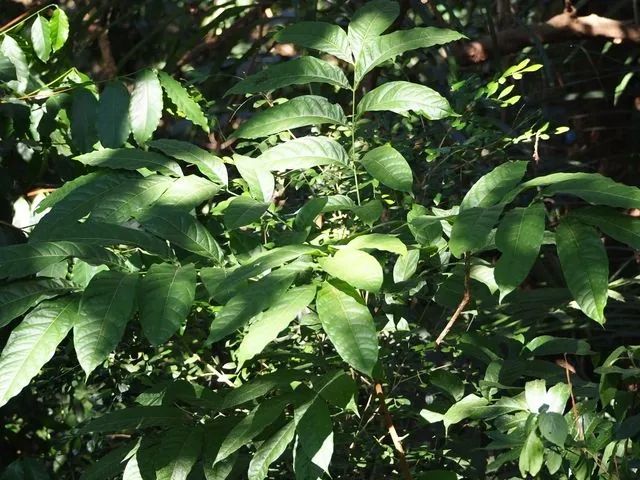
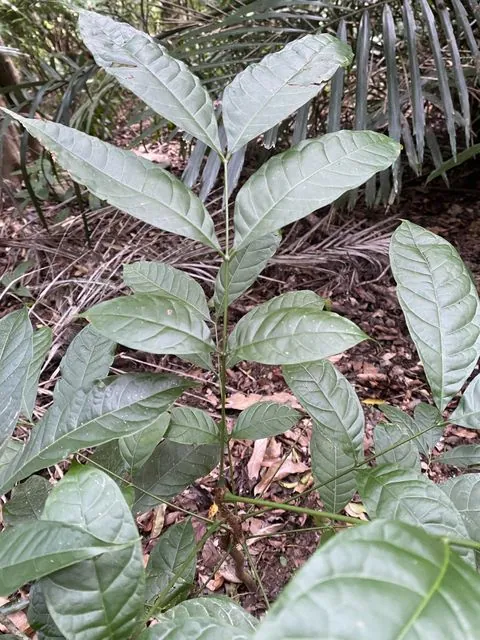
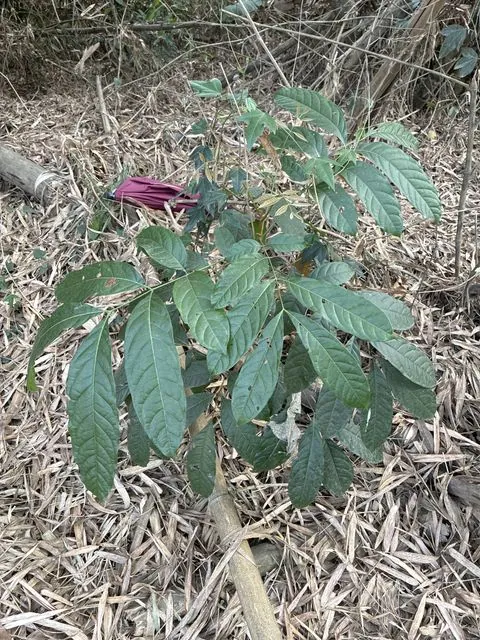
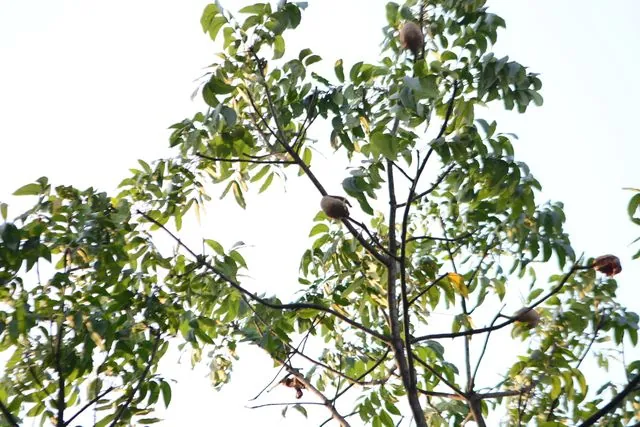
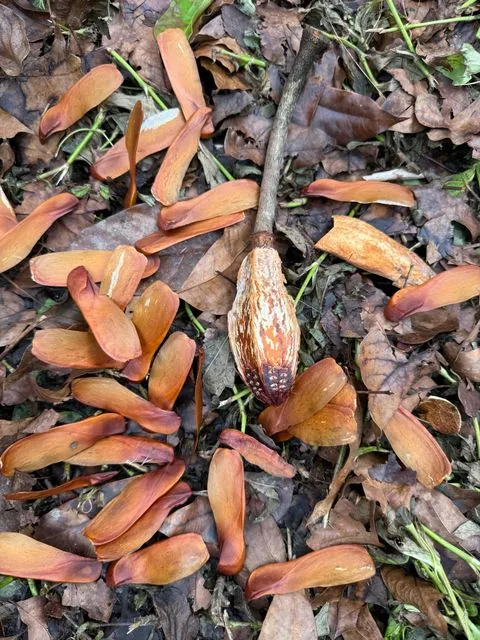
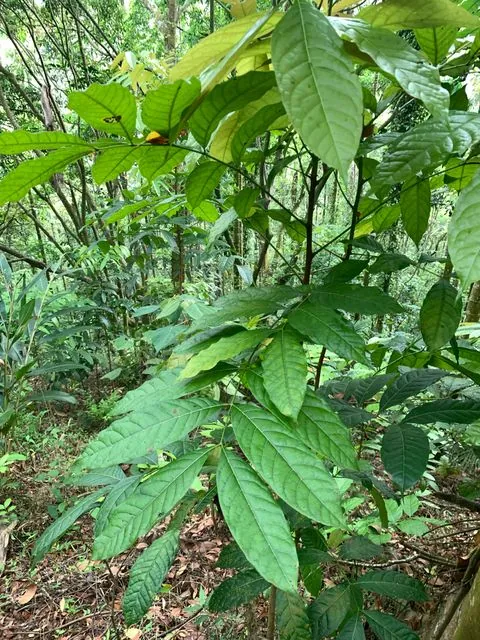
Swietenia macrophylla
Authorship: The author or authors credited with publishing the scientific name. It is written after the name, sometimes with the year, for example L. (Linnaeus) in Zea mays L. An author in parentheses first published the name in another genus or rank. — The author or authors credited with publishing the scientific name. It is written after the name, sometimes with the year, for example L. (Linnaeus) in Zea mays L. An author in parentheses first published the name in another genus or rank.
G.King
Common names
Big Leaf Mahogany, Big-leaf Mahogany, Brazilian Mahogany, Honduran mahogany, Honduras Mahogany, Large-leaved Mahogany, mahogany, Bigleaf MahoganyNames in other languages (43)Acajou, Acajou à grandes feuilles, Amerikanischer Mahagoni, Amerikanisches Mahagoni; Caoba de Honduras (Cuba), Araputangá, Caoba, Caoba de Honduras, Caoba de Venezuela, Caoba de hoja grande, Caoba hondurena (Dominican Republic), Caoba hondurena (Puerto Rico), Cedro-i, Cedroaraná, Cedroi, Central American mahogany, Grandfolia svitenio, Honduras mahogany (Virgin Isl.), Mahogani Grands Feuilles, Mahogani du Honduras, Mahogani-grandes feuilles (Lesser Antilles), Mahoni, Mara, Mogno, Mogno-da-amazônia, Mogno-do-Brasil, Swietenia, Acajou à grandes feuilles, aguano, amerikanaitomahonki, araputanga, caóba, cedro-í, hondurasmahogny, mahagónovník veľkolistý, mahogany grandes feuilles, mahoniowiec wielkolistny, mogno-brasileiro, tsutsul, Águano, มะฮอกกานีใบใหญ่, គ្រាប់បែក, オオバマホガニー, 大叶桃花心木, 大葉桃花心木
Kingdom: One of the broadest ranks of biological classification. It groups organisms that share very basic features, for example plants (Plantae), animals (Animalia) or fungi (Fungi). — One of the broadest ranks of biological classification. It groups organisms that share very basic features, for example plants (Plantae), animals (Animalia) or fungi (Fungi).
Plantae
Phylum: Rank below kingdom that groups organisms with a shared general body plan, for example chordates (Chordata), arthropods (Arthropoda) or vascular plants (Tracheophyta). In botany the same rank is also called division. — Rank below kingdom that groups organisms with a shared general body plan, for example chordates (Chordata), arthropods (Arthropoda) or vascular plants (Tracheophyta). In botany the same rank is also called division.
Tracheophyta
Class: Rank below phylum, for example mammals (Mammalia), birds (Aves), insects (Insecta) or monocot plants such as grasses and orchids (Liliopsida). — Rank below phylum, for example mammals (Mammalia), birds (Aves), insects (Insecta) or monocot plants such as grasses and orchids (Liliopsida).
Magnoliopsida
Order: Rank below class that groups related families, for example grasses and their relatives (Poales) or bats (Chiroptera). — Rank below class that groups related families, for example grasses and their relatives (Poales) or bats (Chiroptera).
Sapindales
Family: Rank below order that groups related genera. Family names usually end in -aceae in botany (for example Poaceae, the grass family) and in -idae in zoology (for example Felidae, the cat family). — Rank below order that groups related genera. Family names usually end in -aceae in botany (for example Poaceae, the grass family) and in -idae in zoology (for example Felidae, the cat family).
Meliaceae
Genus: Rank that groups closely related species. Its name is the first word of a species' scientific name and starts with a capital letter, for example Zea in Zea mays. — Rank that groups closely related species. Its name is the first word of a species' scientific name and starts with a capital letter, for example Zea in Zea mays.
Swietenia
Specific epithet: The second word of a species' scientific name. On its own it does not name the species: it always goes with the genus, for example mays in Zea mays. — The second word of a species' scientific name. On its own it does not name the species: it always goes with the genus, for example mays in Zea mays.
macrophylla
Taxonomic rank: The level a name occupies in the hierarchy of biological classification, such as kingdom, family, genus, species or subspecies. — The level a name occupies in the hierarchy of biological classification, such as kingdom, family, genus, species or subspecies.
species
Reference species
Swietenia macrophylla
Taxonomic status: Whether the taxonomic catalogue the record comes from currently accepts this name for the organism, or treats it as a synonym of another accepted name or as doubtful. — Whether the taxonomic catalogue the record comes from currently accepts this name for the organism, or treats it as a synonym of another accepted name or as doubtful.
accepted name
Photos and conservation status
IUCN Red List category: The extinction-risk category that the International Union for Conservation of Nature (IUCN) assigns to a species on its Red List. EX Extinct: there is no reasonable doubt that the last individual has died. EW Extinct in the wild: it survives only in cultivation, in captivity or as a population far outside its past range. CR Critically endangered, EN Endangered and VU Vulnerable: the three threatened categories, from an extremely high to a high risk of extinction in the wild. NT Near threatened: close to qualifying as threatened. LC Least concern: evaluated and not threatened. DD Data deficient: there is not enough information to assess its risk. NE Not evaluated: not yet assessed against the criteria. It describes the risk of the species worldwide, not its situation in a project's area. — The extinction-risk category that the International Union for Conservation of Nature (IUCN) assigns to a species on its Red List. EX Extinct: there is no reasonable doubt that the last individual has died. EW Extinct in the wild: it survives only in cultivation, in captivity or as a population far outside its past range. CR Critically endangered, EN Endangered and VU Vulnerable: the three threatened categories, from an extremely high to a high risk of extinction in the wild. NT Near threatened: close to qualifying as threatened. LC Least concern: evaluated and not threatened. DD Data deficient: there is not enough information to assess its risk. NE Not evaluated: not yet assessed against the criteria. It describes the risk of the species worldwide, not its situation in a project's area.
Endangered (EN)
Source: IUCN Red List via GBIF, queried on 2026-10-13 11:17.
Research-grade iNaturalist observations via GBIF, CC0 or CC BY licences only, queried on 2026-10-13 11:17.
Interacciones documentadas
GloBI says it is documented somewhere in the world. Biolitica answers whether it could happen here.
A documented interaction means it was recorded somewhere in the world. It does not mean it occurs here.
Types shown: 8 of 8
is a host of
×
is an arbuscular mycorrhizal host of
×
has as a host
×
interacts with (this species is the record's destination)
×
interacts with (this species is the record's origin)
×
has as a parasite
×
is eaten by
×
is a symbiont of
×
Blocks that do not sit under a navigation concept heading keep the source's own term: no navigation concept has been assigned to them yet.
is a host of
66 organisms
The authority declares no effect on this species for this term: neither that it harms it nor that it benefits it. In the source ontology symbiosis covers mutualism, commensalism and parasitism alike, so this block holds attackers and allies side by side.
Context: Area de Conservacion Guanacaste, Sector Santa Elena, Vado Descanso · June 24, 2003 · Material sample
Claim type
Published relationship between two taxa
Version
GloBI 0.11
Reuse
This release publishes no reuse terms for this record.
Area de Conservacion Guanacaste, Sector Santa Elena, Vado Descanso · June 24, 2003 · Material sampleAs published: 2003-06-24T00:00:00Z · MATERIAL_SAMPLEWhere it is: line:hash://sha256/021a206a1459bcca7e251c73f5bd180fc3ac342a09c499855fe42e21fc09edcf!/interactions.tsv.gz!/L12921982
Context: Area de Conservacion Guanacaste, Sector Santa Rosa, Area Administrativa · July 26, 2003 · Material sample
Claim type
Published relationship between two taxa
Version
GloBI 0.11
Reuse
This release publishes no reuse terms for this record.
Area de Conservacion Guanacaste, Sector Santa Rosa, Area Administrativa · July 26, 2003 · Material sampleAs published: 2003-07-26T00:00:00Z · MATERIAL_SAMPLEWhere it is: line:hash://sha256/021a206a1459bcca7e251c73f5bd180fc3ac342a09c499855fe42e21fc09edcf!/interactions.tsv.gz!/L12921983
Context: Area de Conservacion Guanacaste, Sector Santa Elena, Vado Descanso · June 20, 2003 · Material sample
Claim type
Published relationship between two taxa
Version
GloBI 0.11
Reuse
This release publishes no reuse terms for this record.
Area de Conservacion Guanacaste, Sector Santa Elena, Vado Descanso · June 20, 2003 · Material sampleAs published: 2003-06-20T00:00:00Z · MATERIAL_SAMPLEWhere it is: line:hash://sha256/021a206a1459bcca7e251c73f5bd180fc3ac342a09c499855fe42e21fc09edcf!/interactions.tsv.gz!/L12921985
Context: Area de Conservacion Guanacaste, Sector Santa Rosa, Area Administrativa · Nov. 16, 2001 · Material sample
Claim type
Published relationship between two taxa
Version
GloBI 0.11
Reuse
This release publishes no reuse terms for this record.
Area de Conservacion Guanacaste, Sector Santa Rosa, Area Administrativa · Nov. 16, 2001 · Material sampleAs published: 2001-11-16T00:00:00Z · MATERIAL_SAMPLEWhere it is: line:hash://sha256/021a206a1459bcca7e251c73f5bd180fc3ac342a09c499855fe42e21fc09edcf!/interactions.tsv.gz!/L12921991
Context: Area de Conservacion Guanacaste, Sector Santa Rosa, Estero Naranjo · July 6, 1995 · Material sample
Claim type
Published relationship between two taxa
Version
GloBI 0.11
Reuse
This release publishes no reuse terms for this record.
Area de Conservacion Guanacaste, Sector Santa Rosa, Estero Naranjo · July 6, 1995 · Material sampleAs published: 1995-07-06T00:00:00Z · MATERIAL_SAMPLEWhere it is: line:hash://sha256/021a206a1459bcca7e251c73f5bd180fc3ac342a09c499855fe42e21fc09edcf!/interactions.tsv.gz!/L12921992
Context: Area de Conservacion Guanacaste, Sector Santa Rosa, Area Administrativa · July 10, 1996 · Material sample
Claim type
Published relationship between two taxa
Version
GloBI 0.11
Reuse
This release publishes no reuse terms for this record.
Area de Conservacion Guanacaste, Sector Santa Rosa, Area Administrativa · July 10, 1996 · Material sampleAs published: 1996-07-10T00:00:00Z · MATERIAL_SAMPLEWhere it is: line:hash://sha256/021a206a1459bcca7e251c73f5bd180fc3ac342a09c499855fe42e21fc09edcf!/interactions.tsv.gz!/L12921993
Context: Area de Conservacion Guanacaste, Sector Del Oro, Quebrada Trigal · Aug. 26, 2003 · Material sample
Claim type
Published relationship between two taxa
Version
GloBI 0.11
Reuse
This release publishes no reuse terms for this record.
Area de Conservacion Guanacaste, Sector Del Oro, Quebrada Trigal · Aug. 26, 2003 · Material sampleAs published: 2003-08-26T00:00:00Z · MATERIAL_SAMPLEWhere it is: line:hash://sha256/021a206a1459bcca7e251c73f5bd180fc3ac342a09c499855fe42e21fc09edcf!/interactions.tsv.gz!/L12923741
Context: Area de Conservacion Guanacaste, Sector Del Oro, Quebrada Trigal · June 25, 2003 · Material sample
Claim type
Published relationship between two taxa
Version
GloBI 0.11
Reuse
This release publishes no reuse terms for this record.
Area de Conservacion Guanacaste, Sector Del Oro, Quebrada Trigal · June 25, 2003 · Material sampleAs published: 2003-06-25T00:00:00Z · MATERIAL_SAMPLEWhere it is: line:hash://sha256/021a206a1459bcca7e251c73f5bd180fc3ac342a09c499855fe42e21fc09edcf!/interactions.tsv.gz!/L12923746
Context: Area de Conservacion Guanacaste, Sector Santa Rosa, Vado Nisperal · Nov. 1, 1994 · Material sample
Claim type
Published relationship between two taxa
Version
GloBI 0.11
Reuse
This release publishes no reuse terms for this record.
Area de Conservacion Guanacaste, Sector Santa Rosa, Vado Nisperal · Nov. 1, 1994 · Material sampleAs published: 1994-11-01T00:00:00Z · MATERIAL_SAMPLEWhere it is: line:hash://sha256/021a206a1459bcca7e251c73f5bd180fc3ac342a09c499855fe42e21fc09edcf!/interactions.tsv.gz!/L12921996
Context: Area de Conservacion Guanacaste, Sector Santa Rosa, Cafetal · July 31, 1991 · Material sample
Claim type
Published relationship between two taxa
Version
GloBI 0.11
Reuse
This release publishes no reuse terms for this record.
Area de Conservacion Guanacaste, Sector Santa Rosa, Cafetal · July 31, 1991 · Material sampleAs published: 1991-07-31T00:00:00Z · MATERIAL_SAMPLEWhere it is: line:hash://sha256/021a206a1459bcca7e251c73f5bd180fc3ac342a09c499855fe42e21fc09edcf!/interactions.tsv.gz!/L12921997
Context: Area de Conservacion Guanacaste, Sector Santa Rosa, Bosque Humedo · July 1, 1985 · Material sample
Claim type
Published relationship between two taxa
Version
GloBI 0.11
Reuse
This release publishes no reuse terms for this record.
Area de Conservacion Guanacaste, Sector Santa Rosa, Bosque Humedo · July 1, 1985 · Material sampleAs published: 1985-07-01T00:00:00Z · MATERIAL_SAMPLEWhere it is: line:hash://sha256/021a206a1459bcca7e251c73f5bd180fc3ac342a09c499855fe42e21fc09edcf!/interactions.tsv.gz!/L12925078
Context: Area de Conservacion Guanacaste, Sector Santa Rosa, Laguna Escondida · Nov. 22, 1992 · Material sample
Claim type
Published relationship between two taxa
Version
GloBI 0.11
Reuse
This release publishes no reuse terms for this record.
Area de Conservacion Guanacaste, Sector Santa Rosa, Laguna Escondida · Nov. 22, 1992 · Material sampleAs published: 1992-11-22T00:00:00Z · MATERIAL_SAMPLEWhere it is: line:hash://sha256/021a206a1459bcca7e251c73f5bd180fc3ac342a09c499855fe42e21fc09edcf!/interactions.tsv.gz!/L12925083
Context: Area de Conservacion Guanacaste, Sector Santa Rosa, Alacran · Dec. 4, 1992 · Material sample
Claim type
Published relationship between two taxa
Version
GloBI 0.11
Reuse
This release publishes no reuse terms for this record.
Area de Conservacion Guanacaste, Sector Santa Rosa, Alacran · Dec. 4, 1992 · Material sampleAs published: 1992-12-04T00:00:00Z · MATERIAL_SAMPLEWhere it is: line:hash://sha256/021a206a1459bcca7e251c73f5bd180fc3ac342a09c499855fe42e21fc09edcf!/interactions.tsv.gz!/L12925084
A published relationship says these two taxa were documented interacting. It does not say how often, or that it happens in this project's region.
Lasiodiplodia theobromaeBotryosphaeriaceae
is a host of
4
no location
4 sources · 5 records
Anonymous. 1964. Diseases of widely planted forest trees. U.S. Department of Agriculture, Forest Service :237
Published in globalbioticinteractions/usda-fungus-host
Record contexts (sample): Fiji · no date published; Philippines · no date published
Claim type
Published relationship between two taxa
Version
GloBI 0.11
Reuse
This release publishes no reuse terms for this record.
Fiji · no date publishedWhere it is: line:hash://sha256/021a206a1459bcca7e251c73f5bd180fc3ac342a09c499855fe42e21fc09edcf!/interactions.tsv.gz!/L3701311
Philippines · no date publishedWhere it is: line:hash://sha256/021a206a1459bcca7e251c73f5bd180fc3ac342a09c499855fe42e21fc09edcf!/interactions.tsv.gz!/L3701316
No public URL for this record
Firman, I.D.. 1972. A list of fungi and plant parasitic bacteria, viruses and nematodes in Fiji. Phytopathol. Pap. 15:1-36
Published in globalbioticinteractions/usda-fungus-host
Context: Fiji · no date published
Claim type
Published relationship between two taxa
Version
GloBI 0.11
Reuse
This release publishes no reuse terms for this record.
Fiji · no date publishedWhere it is: line:hash://sha256/021a206a1459bcca7e251c73f5bd180fc3ac342a09c499855fe42e21fc09edcf!/interactions.tsv.gz!/L3982846
No public URL for this record
Mathur, R.S.. 1979. The Coelomycetes of India. Bishen Singh Mahendra Pal Singh, Delhi, India. :460
Published in globalbioticinteractions/usda-fungus-host
Context: India · no date published
Claim type
Published relationship between two taxa
Version
GloBI 0.11
Reuse
This release publishes no reuse terms for this record.
India · no date publishedWhere it is: line:hash://sha256/021a206a1459bcca7e251c73f5bd180fc3ac342a09c499855fe42e21fc09edcf!/interactions.tsv.gz!/L3983572
No public URL for this record
Anonymous. 1979. List of plant diseases in Taiwan. Pl. Protect. Soc., Republ. of China :404
Published in globalbioticinteractions/usda-fungus-host
Context: Taiwan · no date published
Claim type
Published relationship between two taxa
Version
GloBI 0.11
Reuse
This release publishes no reuse terms for this record.
Taiwan · no date publishedWhere it is: line:hash://sha256/021a206a1459bcca7e251c73f5bd180fc3ac342a09c499855fe42e21fc09edcf!/interactions.tsv.gz!/L3996800
No public URL for this record
A published relationship says these two taxa were documented interacting. It does not say how often, or that it happens in this project's region.
Context: Area de Conservacion Guanacaste, Sector Santa Rosa, Area Administrativa · April 11, 2009 · Material sample
Claim type
Published relationship between two taxa
Version
GloBI 0.11
Reuse
This release publishes no reuse terms for this record.
Area de Conservacion Guanacaste, Sector Santa Rosa, Area Administrativa · April 11, 2009 · Material sampleAs published: 2009-04-11T00:00:00Z · MATERIAL_SAMPLEWhere it is: line:hash://sha256/021a206a1459bcca7e251c73f5bd180fc3ac342a09c499855fe42e21fc09edcf!/interactions.tsv.gz!/L12943324
Context: Area de Conservacion Guanacaste, Sector Santa Rosa, Area Administrativa · April 21, 2009 · Material sample
Claim type
Published relationship between two taxa
Version
GloBI 0.11
Reuse
This release publishes no reuse terms for this record.
Area de Conservacion Guanacaste, Sector Santa Rosa, Area Administrativa · April 21, 2009 · Material sampleAs published: 2009-04-21T00:00:00Z · MATERIAL_SAMPLEWhere it is: line:hash://sha256/021a206a1459bcca7e251c73f5bd180fc3ac342a09c499855fe42e21fc09edcf!/interactions.tsv.gz!/L12943374
Context: Area de Conservacion Guanacaste, Sector Santa Rosa, Area Administrativa · April 12, 2009 · Material sample
Claim type
Published relationship between two taxa
Version
GloBI 0.11
Reuse
This release publishes no reuse terms for this record.
Area de Conservacion Guanacaste, Sector Santa Rosa, Area Administrativa · April 12, 2009 · Material sampleAs published: 2009-04-12T00:00:00Z · MATERIAL_SAMPLEWhere it is: line:hash://sha256/021a206a1459bcca7e251c73f5bd180fc3ac342a09c499855fe42e21fc09edcf!/interactions.tsv.gz!/L12943396
Context: Area de Conservacion Guanacaste, Sector Santa Rosa, Area Administrativa · April 20, 2009 · Material sample
Claim type
Published relationship between two taxa
Version
GloBI 0.11
Reuse
This release publishes no reuse terms for this record.
Area de Conservacion Guanacaste, Sector Santa Rosa, Area Administrativa · April 20, 2009 · Material sampleAs published: 2009-04-20T00:00:00Z · MATERIAL_SAMPLEWhere it is: line:hash://sha256/021a206a1459bcca7e251c73f5bd180fc3ac342a09c499855fe42e21fc09edcf!/interactions.tsv.gz!/L12943836
The authority declares no effect on this species for this term: neither that it harms it nor that it benefits it.
Organism
Reads as
Studies
Where it was documented
Actions
Acaulospora elegansAcaulosporaceae
is an arbuscular mycorrhizal host of
1
not compared
1 source · 1 record
S. Pehim Limbu, S.L. Stürmer, G. Zahn, C.A. Aguilar-Trigueros, N. Rogers, & V.B. Chaudhary, Climate-linked biogeography of mycorrhizal fungal spore traits, Proc. Natl. Acad. Sci. U.S.A. 122 (29) e2505059122, https://doi.org/10.1073/pnas.2505059122 (2025). Accessed at <https://gi…
Published in globalbioticinteractions/limbu2025
Context: no place published · no date published
Claim type
Published relationship between two taxa
Version
GloBI 0.11
Reuse
This release publishes no reuse terms for this record.
no place published · no date publishedWhere it is: line:hash://sha256/021a206a1459bcca7e251c73f5bd180fc3ac342a09c499855fe42e21fc09edcf!/interactions.tsv.gz!/L13442334
A published relationship says these two taxa were documented interacting. It does not say how often, or that it happens in this project's region.
Gigaspora decipiensGigasporaceae
is an arbuscular mycorrhizal host of
1
not compared
1 source · 1 record
S. Pehim Limbu, S.L. Stürmer, G. Zahn, C.A. Aguilar-Trigueros, N. Rogers, & V.B. Chaudhary, Climate-linked biogeography of mycorrhizal fungal spore traits, Proc. Natl. Acad. Sci. U.S.A. 122 (29) e2505059122, https://doi.org/10.1073/pnas.2505059122 (2025). Accessed at <https://gi…
Published in globalbioticinteractions/limbu2025
Context: no place published · no date published
Claim type
Published relationship between two taxa
Version
GloBI 0.11
Reuse
This release publishes no reuse terms for this record.
no place published · no date publishedWhere it is: line:hash://sha256/021a206a1459bcca7e251c73f5bd180fc3ac342a09c499855fe42e21fc09edcf!/interactions.tsv.gz!/L13433586
A published relationship says these two taxa were documented interacting. It does not say how often, or that it happens in this project's region.
Glomus sp.Glomeraceae
is an arbuscular mycorrhizal host of
1
no location
Not a modelling unit: the source did not resolve a species — the name carries an open-nomenclature qualifier.
1 source · 6 records
Winther, J.L.; Friedman, W.E., 2009. Phylogenetic affinity of arbuscular mycorrhizal symbionts in Psilotum nudum. Journal of Plant Research.
Published in globalbioticinteractions/maarjam
Record contexts (sample): no place published · no date published; no place published · no date published
Claim type
Published relationship between two taxa
Version
GloBI 0.11
Reuse
This release publishes no reuse terms for this record.
no place published · no date publishedWhere it is: line:hash://sha256/021a206a1459bcca7e251c73f5bd180fc3ac342a09c499855fe42e21fc09edcf!/interactions.tsv.gz!/L13228860
no place published · no date publishedWhere it is: line:hash://sha256/021a206a1459bcca7e251c73f5bd180fc3ac342a09c499855fe42e21fc09edcf!/interactions.tsv.gz!/L13228869
no place published · no date publishedWhere it is: line:hash://sha256/021a206a1459bcca7e251c73f5bd180fc3ac342a09c499855fe42e21fc09edcf!/interactions.tsv.gz!/L13228877
And 3 more records of this source, not listed here.
No public URL for this record
A published relationship says these two taxa were documented interacting. It does not say how often, or that it happens in this project's region.
Sclerocystis sinuosa
is an arbuscular mycorrhizal host of
1
not compared
1 source · 1 record
S. Pehim Limbu, S.L. Stürmer, G. Zahn, C.A. Aguilar-Trigueros, N. Rogers, & V.B. Chaudhary, Climate-linked biogeography of mycorrhizal fungal spore traits, Proc. Natl. Acad. Sci. U.S.A. 122 (29) e2505059122, https://doi.org/10.1073/pnas.2505059122 (2025). Accessed at <https://gi…
Published in globalbioticinteractions/limbu2025
Context: no place published · no date published
Claim type
Published relationship between two taxa
Version
GloBI 0.11
Reuse
This release publishes no reuse terms for this record.
no place published · no date publishedWhere it is: line:hash://sha256/021a206a1459bcca7e251c73f5bd180fc3ac342a09c499855fe42e21fc09edcf!/interactions.tsv.gz!/L13427447
The authority declares no effect on this species for this term: neither that it harms it nor that it benefits it. In the source ontology symbiosis covers mutualism, commensalism and parasitism alike, so this block holds attackers and allies side by side.
Organism
Reads as
Studies
Where it was documented
Actions
Lasiodiplodia theobromaeBotryosphaeriaceae
has as a host
1
no location
1 source · 2 records
Agmata, Antonia L, Seedborne organisms in some forest tree seeds in the Philippines: a preliminary survey. Sylvatrop Philippines Forest Research Journal 4(4):215-222; 1971.
Published in millerse/Checklist-of-Micro-Organisms-Associated-With-Tree-Seeds-in-the-World
Record contexts (sample): Philippines · no date published; Philippines · no date published
Claim type
Published relationship between two taxa
Version
GloBI 0.11
Reuse
This release publishes no reuse terms for this record.
Philippines · no date publishedWhere it is: line:hash://sha256/021a206a1459bcca7e251c73f5bd180fc3ac342a09c499855fe42e21fc09edcf!/interactions.tsv.gz!/L158294
Philippines · no date publishedWhere it is: line:hash://sha256/021a206a1459bcca7e251c73f5bd180fc3ac342a09c499855fe42e21fc09edcf!/refuted-interactions.tsv.gz!/L1227
No public URL for this record
A published relationship says these two taxa were documented interacting. It does not say how often, or that it happens in this project's region.
hårgömmingarChaetomiumChaetomiaceae
has as a host
1
no location
Not a modelling unit: the source publishes it at genus level.
1 source · 2 records
Agmata, Antonia L, Seedborne organisms in some forest tree seeds in the Philippines: a preliminary survey. Sylvatrop Philippines Forest Research Journal 4(4):215-222; 1971.
Published in millerse/Checklist-of-Micro-Organisms-Associated-With-Tree-Seeds-in-the-World
Record contexts (sample): Philippines · no date published; Philippines · no date published
Claim type
Published relationship between two taxa
Version
GloBI 0.11
Reuse
This release publishes no reuse terms for this record.
Philippines · no date publishedWhere it is: line:hash://sha256/021a206a1459bcca7e251c73f5bd180fc3ac342a09c499855fe42e21fc09edcf!/interactions.tsv.gz!/L158331
Philippines · no date publishedWhere it is: line:hash://sha256/021a206a1459bcca7e251c73f5bd180fc3ac342a09c499855fe42e21fc09edcf!/refuted-interactions.tsv.gz!/L1228
No public URL for this record
A published relationship says these two taxa were documented interacting. It does not say how often, or that it happens in this project's region.
PestalotiaAmphisphaeriaceae
has as a host
1
no location
Not a modelling unit: the source publishes it at genus level.
1 source · 2 records
Agmata, Antonia L, Seedborne organisms in some forest tree seeds in the Philippines: a preliminary survey. Sylvatrop Philippines Forest Research Journal 4(4):215-222; 1971.
Published in millerse/Checklist-of-Micro-Organisms-Associated-With-Tree-Seeds-in-the-World
Record contexts (sample): Philippines · no date published; Philippines · no date published
Claim type
Published relationship between two taxa
Version
GloBI 0.11
Reuse
This release publishes no reuse terms for this record.
Philippines · no date publishedWhere it is: line:hash://sha256/021a206a1459bcca7e251c73f5bd180fc3ac342a09c499855fe42e21fc09edcf!/interactions.tsv.gz!/L158329
Philippines · no date publishedWhere it is: line:hash://sha256/021a206a1459bcca7e251c73f5bd180fc3ac342a09c499855fe42e21fc09edcf!/refuted-interactions.tsv.gz!/L1232
No public URL for this record
A published relationship says these two taxa were documented interacting. It does not say how often, or that it happens in this project's region.
narrekjedemuggsopperPhomaDidymellaceae
has as a host
1
no location
Not a modelling unit: the source publishes it at genus level.
1 source · 2 records
Agmata, Antonia L, Seedborne organisms in some forest tree seeds in the Philippines: a preliminary survey. Sylvatrop Philippines Forest Research Journal 4(4):215-222; 1971.
Published in millerse/Checklist-of-Micro-Organisms-Associated-With-Tree-Seeds-in-the-World
Record contexts (sample): Philippines · no date published; Philippines · no date published
Claim type
Published relationship between two taxa
Version
GloBI 0.11
Reuse
This release publishes no reuse terms for this record.
Philippines · no date publishedWhere it is: line:hash://sha256/021a206a1459bcca7e251c73f5bd180fc3ac342a09c499855fe42e21fc09edcf!/interactions.tsv.gz!/L158299
Philippines · no date publishedWhere it is: line:hash://sha256/021a206a1459bcca7e251c73f5bd180fc3ac342a09c499855fe42e21fc09edcf!/refuted-interactions.tsv.gz!/L1454
No public URL for this record
A published relationship says these two taxa were documented interacting. It does not say how often, or that it happens in this project's region.
The authority declares no effect on this species for this term: neither that it harms it nor that it benefits it.
Organism
Reads as
Studies
Where it was documented
Actions
WaspTrichospilus diatraeaeEulophidae
interacts with
2
no location
2 sources · 3 records
@article{104324, author = {Zaché, B. and Wilcken, C.F. and Zaché, R.R.C. and Soliman, E.P. and San Román, L.}, booktitle = {IDESIA}, pages = {111-114}, title = {<i>Trichospilus diatraeae</i> Cherian & Margabandhu, 1942 (Hymenoptera: Eulophidae), a new parasitoid of <i>Hy…
Published in globalbioticinteractions/taxonworks
Record contexts (sample): no place published · no date published; no place published · no date published
Claim type
Published relationship between two taxa
Version
GloBI 0.11
Reuse
This release publishes no reuse terms for this record.
no place published · no date publishedWhere it is: line:hash://sha256/021a206a1459bcca7e251c73f5bd180fc3ac342a09c499855fe42e21fc09edcf!/interactions.tsv.gz!/L6119313
no place published · no date publishedWhere it is: line:hash://sha256/021a206a1459bcca7e251c73f5bd180fc3ac342a09c499855fe42e21fc09edcf!/interactions.tsv.gz!/L6119321
No public URL for this record
@article{104326, author = {Zache, B. and Zache, R.R.C. and Souza, de N.M. and Dias, T.K.R. and Wilcken, C.F.}, booktitle = {Journal of Plant Protection Research}, pages = {420-422}, title = {New record of <i>Trichospilus diatraeae</i> Margabandhu and Cherian, 1942 (Hymen…
Published in globalbioticinteractions/taxonworks
Context: no place published · no date published
Claim type
Published relationship between two taxa
Version
GloBI 0.11
Reuse
This release publishes no reuse terms for this record.
no place published · no date publishedWhere it is: line:hash://sha256/021a206a1459bcca7e251c73f5bd180fc3ac342a09c499855fe42e21fc09edcf!/interactions.tsv.gz!/L6121389
No public URL for this record
A published relationship says these two taxa were documented interacting. It does not say how often, or that it happens in this project's region.
Trichogrammatoidea nanaTrichogrammatidae
interacts with
1
no location
1 source · 1 record
@article{69717, author = {Hayat, M. and Viggiani, G.}, booktitle = {Bollettino del Laboratorio di Entomologia Agraria 'Filippo Silvestri', Portici}, month = {nov}, day = {6}, pages = {23-51}, title = {A preliminary catalogue of the Oriental Trichogrammatidae (Hym.: C…
Published in globalbioticinteractions/taxonworks
Context: no place published · no date published
Claim type
Published relationship between two taxa
Version
GloBI 0.11
Reuse
This release publishes no reuse terms for this record.
no place published · no date publishedWhere it is: line:hash://sha256/021a206a1459bcca7e251c73f5bd180fc3ac342a09c499855fe42e21fc09edcf!/interactions.tsv.gz!/L6032006
No public URL for this record
A published relationship says these two taxa were documented interacting. It does not say how often, or that it happens in this project's region.
Dalbergia retusaFabaceae
interacts with
1
no location
1 source · 1 record
A. Thessen. 2014. Species associations extracted from EOL text data objects via text mining. Accessed at <https://github.com/EOL/pseudonitzchia/archive/e5838965a186fba4b7215cd0d179c4526773bad5.zip> on 04 Sep 2026.
Published in EOL/pseudonitzchia
Context: no place published · no date published
Claim type
Published relationship between two taxa
Version
GloBI 0.11
Reuse
This release publishes no reuse terms for this record.
no place published · no date publishedWhere it is: line:hash://sha256/021a206a1459bcca7e251c73f5bd180fc3ac342a09c499855fe42e21fc09edcf!/interactions.tsv.gz!/L1430663
A published relationship says these two taxa were documented interacting. It does not say how often, or that it happens in this project's region.
Cirrospilus floridensisEulophidae
interacts with
1
no location
1 source · 1 record
@article{63101, author = {Evans, G.A.}, booktitle = {Florida Entomologist}, journal = {The Florida Entomologist}, month = {dec}, day = {30}, pages = {448-453}, title = {A new species of <i>Cirrospilus</i> (Hymenoptera: Eulophidae) and two new synonymies of parasito…
Published in globalbioticinteractions/taxonworks
Context: no place published · no date published
Claim type
Published relationship between two taxa
Version
GloBI 0.11
Reuse
This release publishes no reuse terms for this record.
no place published · no date publishedWhere it is: line:hash://sha256/021a206a1459bcca7e251c73f5bd180fc3ac342a09c499855fe42e21fc09edcf!/interactions.tsv.gz!/L6083769
No public URL for this record
A published relationship says these two taxa were documented interacting. It does not say how often, or that it happens in this project's region.
The authority declares no effect on this species for this term: neither that it harms it nor that it benefits it.
Organism
Reads as
Studies
Where it was documented
Actions
Dalbergia retusaFabaceae
interacts with
1
no location
1 source · 1 record
A. Thessen. 2014. Species associations extracted from EOL text data objects via text mining. Accessed at <https://github.com/EOL/pseudonitzchia/archive/e5838965a186fba4b7215cd0d179c4526773bad5.zip> on 04 Sep 2026.
Published in EOL/pseudonitzchia
Context: no place published · no date published
Claim type
Published relationship between two taxa
Version
GloBI 0.11
Reuse
This release publishes no reuse terms for this record.
no place published · no date publishedWhere it is: line:hash://sha256/021a206a1459bcca7e251c73f5bd180fc3ac342a09c499855fe42e21fc09edcf!/interactions.tsv.gz!/L1444464
A published relationship says these two taxa were documented interacting. It does not say how often, or that it happens in this project's region.
GenipapGenipa americanaRubiaceae
interacts with
1
no location
1 source · 1 record
A. Thessen. 2014. Species associations extracted from EOL text data objects via text mining. Accessed at <https://github.com/EOL/pseudonitzchia/archive/e5838965a186fba4b7215cd0d179c4526773bad5.zip> on 04 Sep 2026.
Published in EOL/pseudonitzchia
Context: no place published · no date published
Claim type
Published relationship between two taxa
Version
GloBI 0.11
Reuse
This release publishes no reuse terms for this record.
no place published · no date publishedWhere it is: line:hash://sha256/021a206a1459bcca7e251c73f5bd180fc3ac342a09c499855fe42e21fc09edcf!/interactions.tsv.gz!/L1380134
A published relationship says these two taxa were documented interacting. It does not say how often, or that it happens in this project's region.
Hypsipyla
interacts with
1
no location
Not a modelling unit: the source publishes it at genus level.
1 source · 1 record
A. Thessen. 2014. Species associations extracted from EOL text data objects via text mining. Accessed at <https://github.com/EOL/pseudonitzchia/archive/e5838965a186fba4b7215cd0d179c4526773bad5.zip> on 04 Sep 2026.
Published in EOL/pseudonitzchia
Context: no place published · no date published
Claim type
Published relationship between two taxa
Version
GloBI 0.11
Reuse
This release publishes no reuse terms for this record.
no place published · no date publishedWhere it is: line:hash://sha256/021a206a1459bcca7e251c73f5bd180fc3ac342a09c499855fe42e21fc09edcf!/interactions.tsv.gz!/L1473678
A published relationship says these two taxa were documented interacting. It does not say how often, or that it happens in this project's region.
JaraguagrassHyparrhenia rufaPoaceae
interacts with
1
no location
1 source · 1 record
A. Thessen. 2014. Species associations extracted from EOL text data objects via text mining. Accessed at <https://github.com/EOL/pseudonitzchia/archive/e5838965a186fba4b7215cd0d179c4526773bad5.zip> on 04 Sep 2026.
Published in EOL/pseudonitzchia
Context: no place published · no date published
Claim type
Published relationship between two taxa
Version
GloBI 0.11
Reuse
This release publishes no reuse terms for this record.
no place published · no date publishedWhere it is: line:hash://sha256/021a206a1459bcca7e251c73f5bd180fc3ac342a09c499855fe42e21fc09edcf!/interactions.tsv.gz!/L1378771
This term does declare that the organism harms this species.
Organism
Reads as
Studies
Where it was documented
Actions
WaspTrichospilus diatraeaeEulophidae
has as a parasite
3
no location
3 sources · 3 records
ZacheZaSo2011 via Universal Chalcidoidea Database
Published in globalbioticinteractions/natural-history-museum-london-interactions-bank
Context: no place published · no date published
Claim type
Published relationship between two taxa
Version
GloBI 0.11
Reuse
This release publishes no reuse terms for this record.
no place published · no date publishedWhere it is: line:hash://sha256/021a206a1459bcca7e251c73f5bd180fc3ac342a09c499855fe42e21fc09edcf!/interactions.tsv.gz!/L18858912
No public URL for this record
ZacheWiZa2010 via Universal Chalcidoidea Database
Published in globalbioticinteractions/natural-history-museum-london-interactions-bank
Context: no place published · no date published
Claim type
Published relationship between two taxa
Version
GloBI 0.11
Reuse
This release publishes no reuse terms for this record.
no place published · no date publishedWhere it is: line:hash://sha256/021a206a1459bcca7e251c73f5bd180fc3ac342a09c499855fe42e21fc09edcf!/interactions.tsv.gz!/L18861537
No public URL for this record
ZacheWiZa2012 via Universal Chalcidoidea Database
Published in globalbioticinteractions/natural-history-museum-london-interactions-bank
Context: no place published · no date published
Claim type
Published relationship between two taxa
Version
GloBI 0.11
Reuse
This release publishes no reuse terms for this record.
no place published · no date publishedWhere it is: line:hash://sha256/021a206a1459bcca7e251c73f5bd180fc3ac342a09c499855fe42e21fc09edcf!/interactions.tsv.gz!/L18864231
No public URL for this record
A published relationship says these two taxa were documented interacting. It does not say how often, or that it happens in this project's region.
Brachymeria subconicaChalcididae
has as a parasite
1
no location
1 source · 1 record
Grijpm973 via Universal Chalcidoidea Database
Published in globalbioticinteractions/natural-history-museum-london-interactions-bank
Context: no place published · no date published
Claim type
Published relationship between two taxa
Version
GloBI 0.11
Reuse
This release publishes no reuse terms for this record.
no place published · no date publishedWhere it is: line:hash://sha256/021a206a1459bcca7e251c73f5bd180fc3ac342a09c499855fe42e21fc09edcf!/interactions.tsv.gz!/L18905668
No public URL for this record
A published relationship says these two taxa were documented interacting. It does not say how often, or that it happens in this project's region.
Notanisomorphella borboricaEulophidae
has as a parasite
1
no location
1 source · 1 record
Kerric969 via Universal Chalcidoidea Database
Published in globalbioticinteractions/natural-history-museum-london-interactions-bank
Context: no place published · no date published
Claim type
Published relationship between two taxa
Version
GloBI 0.11
Reuse
This release publishes no reuse terms for this record.
no place published · no date publishedWhere it is: line:hash://sha256/021a206a1459bcca7e251c73f5bd180fc3ac342a09c499855fe42e21fc09edcf!/interactions.tsv.gz!/L18827552
No public URL for this record
A published relationship says these two taxa were documented interacting. It does not say how often, or that it happens in this project's region.
Trichogrammatoidea nanaTrichogrammatidae
has as a parasite
1
no location
1 source · 1 record
HayatVi984 via Universal Chalcidoidea Database
Published in globalbioticinteractions/natural-history-museum-london-interactions-bank
Context: no place published · no date published
Claim type
Published relationship between two taxa
Version
GloBI 0.11
Reuse
This release publishes no reuse terms for this record.
no place published · no date publishedWhere it is: line:hash://sha256/021a206a1459bcca7e251c73f5bd180fc3ac342a09c499855fe42e21fc09edcf!/interactions.tsv.gz!/L18832675
No public URL for this record
A published relationship says these two taxa were documented interacting. It does not say how often, or that it happens in this project's region.
This term does declare that the organism harms this species.
Organism
Reads as
Studies
Where it was documented
Actions
Jujube lappetStreblote sivaLasiocampidae
is eaten by
1
no location
1 source · 1 record
Edward Baker; Ian Kitching; George W Beccaloni; Amoret Whitaker; Steen Dupont; Vincent Smith; John S Noyes (2017). NHM Interactions Bank. https://doi.org/10.5519/0060767. Accessed at <https://data.nhm.ac.uk/dataset/82e807f0-6273-4f19-be0a-7f7558442a25/resource/f84ad9f1-bd0c-4811…
Published in globalbioticinteractions/natural-history-museum-london-interactions-bank
Context: no place published · no date published
Claim type
Published relationship between two taxa
Version
GloBI 0.11
Reuse
This release publishes no reuse terms for this record.
no place published · no date publishedWhere it is: line:hash://sha256/021a206a1459bcca7e251c73f5bd180fc3ac342a09c499855fe42e21fc09edcf!/interactions.tsv.gz!/L18695945
Context: no place published · Aug. 24, 2024 · Human observation
Claim type
Published relationship between two taxa
Version
GloBI 0.11
Reuse
This release publishes no reuse terms for this record.
no place published · Aug. 24, 2024 · Human observationAs published: 2024-08-24T23:13:06Z · HumanObservationWhere it is: line:hash://sha256/021a206a1459bcca7e251c73f5bd180fc3ac342a09c499855fe42e21fc09edcf!/interactions.tsv.gz!/L5043269
A published relationship says these two taxa were documented interacting. It does not say how often, or that it happens in this project's region.
Gonodontis cleliaGeometridae
is eaten by
1
no location
1 source · 1 record
Edward Baker; Ian Kitching; George W Beccaloni; Amoret Whitaker; Steen Dupont; Vincent Smith; John S Noyes (2017). NHM Interactions Bank. https://doi.org/10.5519/0060767. Accessed at <https://data.nhm.ac.uk/dataset/82e807f0-6273-4f19-be0a-7f7558442a25/resource/f84ad9f1-bd0c-4811…
Published in globalbioticinteractions/natural-history-museum-london-interactions-bank
Context: no place published · no date published
Claim type
Published relationship between two taxa
Version
GloBI 0.11
Reuse
This release publishes no reuse terms for this record.
no place published · no date publishedWhere it is: line:hash://sha256/021a206a1459bcca7e251c73f5bd180fc3ac342a09c499855fe42e21fc09edcf!/interactions.tsv.gz!/L18706370
A published relationship says these two taxa were documented interacting. It does not say how often, or that it happens in this project's region.
Showing 3 of 3, by number of studies
is a symbiont of
1 organism
The authority declares no effect on this species for this term: neither that it harms it nor that it benefits it. In the source ontology symbiosis covers mutualism, commensalism and parasitism alike, so this block holds attackers and allies side by side.
Organism
Reads as
Studies
Where it was documented
Actions
Fungi Including LichensFungi
is a symbiont of
1
not compared
Not a modelling unit: the source publishes it at kingdom level.
1 source · 27 records
Markesteijn L and Poorter L (2009). 'Seedling root morphology and biomass allocation of 62 tropical tree species in relation to drought- and shade-tolerance.' Journal of Ecology, 97(2), pp. 311-325.
Published in globalbioticinteractions/fred
Record contexts (sample): no place published · Jan. 1, 2006; no place published · Jan. 1, 2006
Claim type
Published relationship between two taxa
Version
GloBI 0.11
Reuse
This release publishes no reuse terms for this record.
no place published · Jan. 1, 2006As published: 2006-01-01T00:00:00ZWhere it is: line:hash://sha256/021a206a1459bcca7e251c73f5bd180fc3ac342a09c499855fe42e21fc09edcf!/interactions.tsv.gz!/L24419588
no place published · Jan. 1, 2006As published: 2006-01-01T00:00:00ZWhere it is: line:hash://sha256/021a206a1459bcca7e251c73f5bd180fc3ac342a09c499855fe42e21fc09edcf!/interactions.tsv.gz!/L24419633
no place published · Jan. 1, 2006As published: 2006-01-01T00:00:00ZWhere it is: line:hash://sha256/021a206a1459bcca7e251c73f5bd180fc3ac342a09c499855fe42e21fc09edcf!/interactions.tsv.gz!/L24419663
And 24 more records of this source, not listed here.
A published relationship says these two taxa were documented interacting. It does not say how often, or that it happens in this project's region.
Showing 1 of 1, by number of studies
Acompañantes documentados
This agronomic reading comes from a source reserved for internal use, so it is not shown here.
Documented uses and recommendations
Uses and recommendations that a source documents for this species beside a crop, each in its own context. They are the source's statements, not traits of the species and not Biolítica's recommendations, and none of them is a relation between two species.
Not grouped under a navigation concept
What the source states
Claim type
Context
Source
Actions
Árbol nativo candidato de paisaje
Recommendation of a guideRecommended
coffee · Veracruz, México
Biolítica · compilación de café de CIE-10 sha256:e376ce4d636a
1 source · 1 record
Flores-Ortiz et al. 2025
Context: coffee · Veracruz, México
Claim type
Recommendation of a guide
Version
Biolítica · compilación de café de CIE-10 sha256:e376ce4d636a
Reuse
This release publishes no reuse terms for this record.
coffee · Veracruz, MéxicoWhere it is: record:hash://sha256/e376ce4d636a2ad69fd1f35c0c597ef582332fe836e256097909ac8cc8b1081a!/Evidencias!/ID evidencia=E-0539