Canonical name: The scientific name without its authorship or date, for example Zea mays instead of Zea mays L. — The scientific name without its authorship or date, for example Zea mays instead of Zea mays L.
Cordia alliodora
Authorship: The author or authors credited with publishing the scientific name. It is written after the name, sometimes with the year, for example L. (Linnaeus) in Zea mays L. An author in parentheses first published the name in another genus or rank. — The author or authors credited with publishing the scientific name. It is written after the name, sometimes with the year, for example L. (Linnaeus) in Zea mays L. An author in parentheses first published the name in another genus or rank.
(Ruiz & Pav.) Oken
Common names
Manjack, Cypre, Spanish elm, salmwoodNames in other languages (46)Araña kaspi, Awenkawe, Bois de rose, Bois de Rhodes, Cap Prieto, Chaquiñe, Cyp, Cypress, Giyikadowe, Jëa jati, Koyotowe, Lauch-Kordie, Laurel, Laurel blanco, Laurel corazón negro, Laurel costeño, Laurel de cera, Laurel de puná, Misonsal, Misunsal yura, Murushi, Murushinumi, Odangawe, Osa, Satinwood, White Cypress (Trinidad & Tobago); Capá prieto, ajo ajo, alatrique, bois de Chypre, canalete, capá, cèdre sam, falso-louro, freijó, freijó-branco, louro-alho, freijó-branco, laurel negro, lourinho, louro-alho, louro-amarelo, louro-branco, louro-negro, pardillo, salmträd, sèd-sam, uruazeiro, uruá, wataa kanu
Kingdom: One of the broadest ranks of biological classification. It groups organisms that share very basic features, for example plants (Plantae), animals (Animalia) or fungi (Fungi). — One of the broadest ranks of biological classification. It groups organisms that share very basic features, for example plants (Plantae), animals (Animalia) or fungi (Fungi).
Plantae
Phylum: Rank below kingdom that groups organisms with a shared general body plan, for example chordates (Chordata), arthropods (Arthropoda) or vascular plants (Tracheophyta). In botany the same rank is also called division. — Rank below kingdom that groups organisms with a shared general body plan, for example chordates (Chordata), arthropods (Arthropoda) or vascular plants (Tracheophyta). In botany the same rank is also called division.
Tracheophyta
Class: Rank below phylum, for example mammals (Mammalia), birds (Aves), insects (Insecta) or monocot plants such as grasses and orchids (Liliopsida). — Rank below phylum, for example mammals (Mammalia), birds (Aves), insects (Insecta) or monocot plants such as grasses and orchids (Liliopsida).
Magnoliopsida
Order: Rank below class that groups related families, for example grasses and their relatives (Poales) or bats (Chiroptera). — Rank below class that groups related families, for example grasses and their relatives (Poales) or bats (Chiroptera).
Boraginales
Family: Rank below order that groups related genera. Family names usually end in -aceae in botany (for example Poaceae, the grass family) and in -idae in zoology (for example Felidae, the cat family). — Rank below order that groups related genera. Family names usually end in -aceae in botany (for example Poaceae, the grass family) and in -idae in zoology (for example Felidae, the cat family).
Cordiaceae
Genus: Rank that groups closely related species. Its name is the first word of a species' scientific name and starts with a capital letter, for example Zea in Zea mays. — Rank that groups closely related species. Its name is the first word of a species' scientific name and starts with a capital letter, for example Zea in Zea mays.
Cordia
Specific epithet: The second word of a species' scientific name. On its own it does not name the species: it always goes with the genus, for example mays in Zea mays. — The second word of a species' scientific name. On its own it does not name the species: it always goes with the genus, for example mays in Zea mays.
alliodora
Taxonomic rank: The level a name occupies in the hierarchy of biological classification, such as kingdom, family, genus, species or subspecies. — The level a name occupies in the hierarchy of biological classification, such as kingdom, family, genus, species or subspecies.
species
Reference species
Cordia alliodora
Taxonomic status: Whether the taxonomic catalogue the record comes from currently accepts this name for the organism, or treats it as a synonym of another accepted name or as doubtful. — Whether the taxonomic catalogue the record comes from currently accepts this name for the organism, or treats it as a synonym of another accepted name or as doubtful.
accepted name
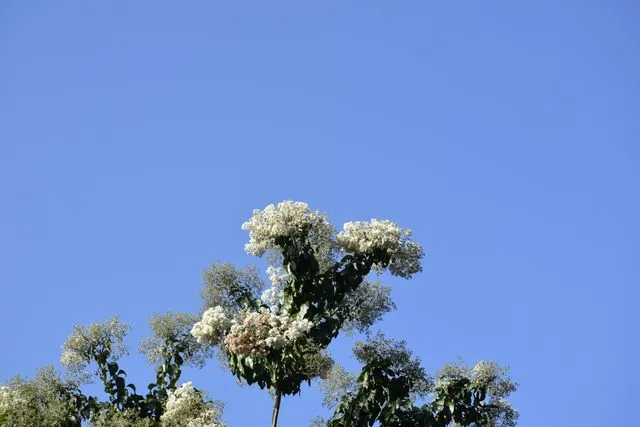
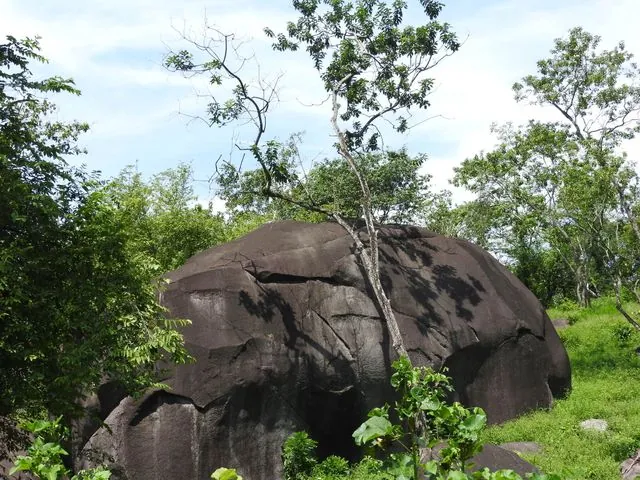
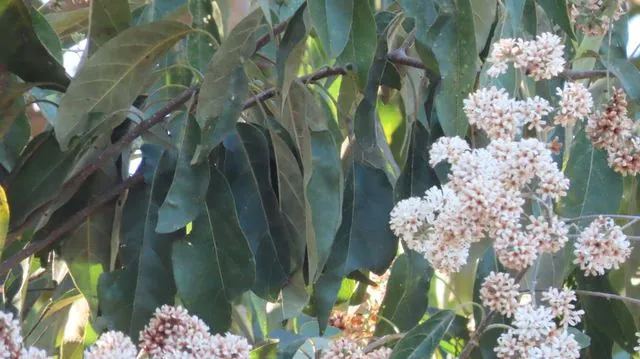
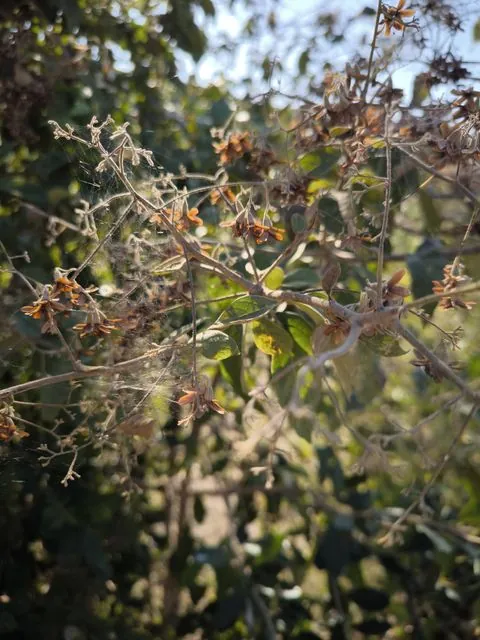
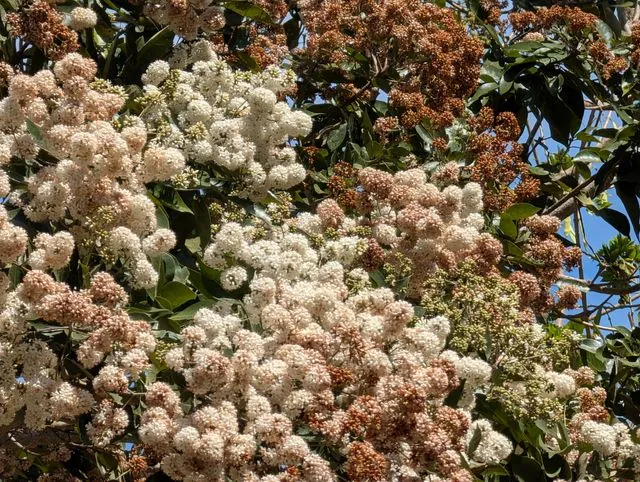
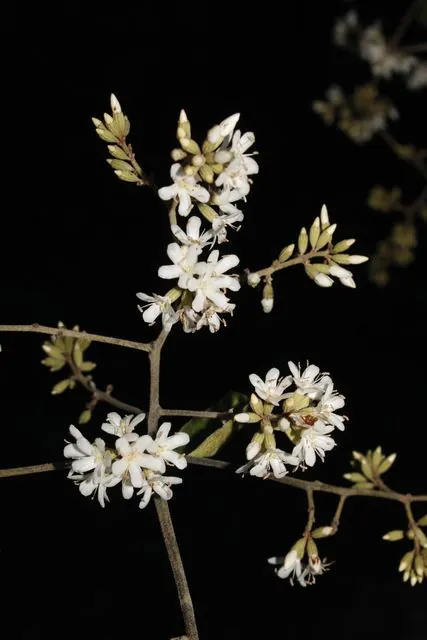
Photos and conservation status
IUCN Red List category: The extinction-risk category that the International Union for Conservation of Nature (IUCN) assigns to a species on its Red List. EX Extinct: there is no reasonable doubt that the last individual has died. EW Extinct in the wild: it survives only in cultivation, in captivity or as a population far outside its past range. CR Critically endangered, EN Endangered and VU Vulnerable: the three threatened categories, from an extremely high to a high risk of extinction in the wild. NT Near threatened: close to qualifying as threatened. LC Least concern: evaluated and not threatened. DD Data deficient: there is not enough information to assess its risk. NE Not evaluated: not yet assessed against the criteria. It describes the risk of the species worldwide, not its situation in a project's area. — The extinction-risk category that the International Union for Conservation of Nature (IUCN) assigns to a species on its Red List. EX Extinct: there is no reasonable doubt that the last individual has died. EW Extinct in the wild: it survives only in cultivation, in captivity or as a population far outside its past range. CR Critically endangered, EN Endangered and VU Vulnerable: the three threatened categories, from an extremely high to a high risk of extinction in the wild. NT Near threatened: close to qualifying as threatened. LC Least concern: evaluated and not threatened. DD Data deficient: there is not enough information to assess its risk. NE Not evaluated: not yet assessed against the criteria. It describes the risk of the species worldwide, not its situation in a project's area.
Least concern (LC)
Source: IUCN Red List via GBIF, queried on 2026-10-12 18:05.
Research-grade iNaturalist observations via GBIF, CC0 or CC BY licences only, queried on 2026-10-12 18:05.
Interacciones documentadas
GloBI says it is documented somewhere in the world. Biolitica answers whether it could happen here.
A documented interaction means it was recorded somewhere in the world. It does not mean it occurs here.
Types shown: 12 of 13
is a host of
×
interacts with (this species is the record's origin)
×
interacts with (this species is the record's destination)
×
is a parasite of
×
is eaten by
×
has as a host
×
has as a parasite
×
has its flowers visited by
×
is adjacent to
×
is pollinated by
×
is preyed upon by
×
is a symbiont of
×
1 more type with data for this species
Blocks that do not sit under a navigation concept heading keep the source's own term: no navigation concept has been assigned to them yet.
is a host of
41 organisms
The authority declares no effect on this species for this term: neither that it harms it nor that it benefits it. In the source ontology symbiosis covers mutualism, commensalism and parasitism alike, so this block holds attackers and allies side by side.
Context: Area de Conservacion Guanacaste, Sector San Cristobal, Rio Blanco Abajo · April 26, 2001 · Material sample
Claim type
Published relationship between two taxa
Version
GloBI 0.11
Reuse
This release publishes no reuse terms for this record.
Area de Conservacion Guanacaste, Sector San Cristobal, Rio Blanco Abajo · April 26, 2001 · Material sampleAs published: 2001-04-26T00:00:00Z · MATERIAL_SAMPLEWhere it is: line:hash://sha256/021a206a1459bcca7e251c73f5bd180fc3ac342a09c499855fe42e21fc09edcf!/interactions.tsv.gz!/L12920250
Context: Area de Conservacion Guanacaste, Sector San Cristobal, Puente Palma · Sept. 14, 2004 · Material sample
Claim type
Published relationship between two taxa
Version
GloBI 0.11
Reuse
This release publishes no reuse terms for this record.
Area de Conservacion Guanacaste, Sector San Cristobal, Puente Palma · Sept. 14, 2004 · Material sampleAs published: 2004-09-14T00:00:00Z · MATERIAL_SAMPLEWhere it is: line:hash://sha256/021a206a1459bcca7e251c73f5bd180fc3ac342a09c499855fe42e21fc09edcf!/interactions.tsv.gz!/L12920251
Context: Area de Conservacion Guanacaste, Sector San Cristobal, Puente Palma · Sept. 13, 2004 · Material sample
Claim type
Published relationship between two taxa
Version
GloBI 0.11
Reuse
This release publishes no reuse terms for this record.
Area de Conservacion Guanacaste, Sector San Cristobal, Puente Palma · Sept. 13, 2004 · Material sampleAs published: 2004-09-13T00:00:00Z · MATERIAL_SAMPLEWhere it is: line:hash://sha256/021a206a1459bcca7e251c73f5bd180fc3ac342a09c499855fe42e21fc09edcf!/interactions.tsv.gz!/L12920252
Context: Area de Conservacion Guanacaste, Sector San Cristobal, Puente Palma · Sept. 13, 2004 · Material sample
Claim type
Published relationship between two taxa
Version
GloBI 0.11
Reuse
This release publishes no reuse terms for this record.
Area de Conservacion Guanacaste, Sector San Cristobal, Puente Palma · Sept. 13, 2004 · Material sampleAs published: 2004-09-13T00:00:00Z · MATERIAL_SAMPLEWhere it is: line:hash://sha256/021a206a1459bcca7e251c73f5bd180fc3ac342a09c499855fe42e21fc09edcf!/interactions.tsv.gz!/L12920253
Context: Area de Conservacion Guanacaste, Sector San Cristobal, Puente Palma · Sept. 12, 2004 · Material sample
Claim type
Published relationship between two taxa
Version
GloBI 0.11
Reuse
This release publishes no reuse terms for this record.
Area de Conservacion Guanacaste, Sector San Cristobal, Puente Palma · Sept. 12, 2004 · Material sampleAs published: 2004-09-12T00:00:00Z · MATERIAL_SAMPLEWhere it is: line:hash://sha256/021a206a1459bcca7e251c73f5bd180fc3ac342a09c499855fe42e21fc09edcf!/interactions.tsv.gz!/L12920254
Context: Area de Conservacion Guanacaste, Sector San Cristobal, Puente Palma · Sept. 12, 2004 · Material sample
Claim type
Published relationship between two taxa
Version
GloBI 0.11
Reuse
This release publishes no reuse terms for this record.
Area de Conservacion Guanacaste, Sector San Cristobal, Puente Palma · Sept. 12, 2004 · Material sampleAs published: 2004-09-12T00:00:00Z · MATERIAL_SAMPLEWhere it is: line:hash://sha256/021a206a1459bcca7e251c73f5bd180fc3ac342a09c499855fe42e21fc09edcf!/interactions.tsv.gz!/L12920255
Context: Area de Conservacion Guanacaste, Sector San Cristobal, Puente Palma · Sept. 12, 2004 · Material sample
Claim type
Published relationship between two taxa
Version
GloBI 0.11
Reuse
This release publishes no reuse terms for this record.
Area de Conservacion Guanacaste, Sector San Cristobal, Puente Palma · Sept. 12, 2004 · Material sampleAs published: 2004-09-12T00:00:00Z · MATERIAL_SAMPLEWhere it is: line:hash://sha256/021a206a1459bcca7e251c73f5bd180fc3ac342a09c499855fe42e21fc09edcf!/interactions.tsv.gz!/L12920256
Context: Area de Conservacion Guanacaste, Sector Del Oro, Puente Mena · July 24, 2005 · Material sample
Claim type
Published relationship between two taxa
Version
GloBI 0.11
Reuse
This release publishes no reuse terms for this record.
Area de Conservacion Guanacaste, Sector Del Oro, Puente Mena · July 24, 2005 · Material sampleAs published: 2005-07-24T00:00:00Z · MATERIAL_SAMPLEWhere it is: line:hash://sha256/021a206a1459bcca7e251c73f5bd180fc3ac342a09c499855fe42e21fc09edcf!/interactions.tsv.gz!/L12920257
And 56 more sources, with fewer records, not listed here.
A published relationship says these two taxa were documented interacting. It does not say how often, or that it happens in this project's region.
Puccinia cordiaePucciniaceae
is a host of
39
not compared
39 sources · 48 records
Hernandez, J.R., and Hennen, J.F.. 2003. Rust fungi causing galls, witches' brooms, and other abnormal plant growths in northwestern Argentina. Mycologia 95:728-755
Published in globalbioticinteractions/usda-fungus-host
Record contexts (sample): Dominican Republic · no date published; Virgin Islands · no date published
Claim type
Published relationship between two taxa
Version
GloBI 0.11
Reuse
This release publishes no reuse terms for this record.
Dominican Republic · no date publishedWhere it is: line:hash://sha256/021a206a1459bcca7e251c73f5bd180fc3ac342a09c499855fe42e21fc09edcf!/interactions.tsv.gz!/L4263824
Virgin Islands · no date publishedWhere it is: line:hash://sha256/021a206a1459bcca7e251c73f5bd180fc3ac342a09c499855fe42e21fc09edcf!/interactions.tsv.gz!/L4263825
Puerto Rico · no date publishedWhere it is: line:hash://sha256/021a206a1459bcca7e251c73f5bd180fc3ac342a09c499855fe42e21fc09edcf!/interactions.tsv.gz!/L4263830
And 4 more records of this source, not listed here.
No public URL for this record
Spaulding, P.. 1961. Foreign Diseases of Forest Trees of the World. U.S.D.A. Agric. Handb. 197:1-361
Published in globalbioticinteractions/usda-fungus-host
Record contexts (sample): Trinidad and Tobago · no date published; Guatemala · no date published
Claim type
Published relationship between two taxa
Version
GloBI 0.11
Reuse
This release publishes no reuse terms for this record.
Trinidad and Tobago · no date publishedWhere it is: line:hash://sha256/021a206a1459bcca7e251c73f5bd180fc3ac342a09c499855fe42e21fc09edcf!/interactions.tsv.gz!/L4111169
Guatemala · no date publishedWhere it is: line:hash://sha256/021a206a1459bcca7e251c73f5bd180fc3ac342a09c499855fe42e21fc09edcf!/interactions.tsv.gz!/L4111170
Puerto Rico · no date publishedWhere it is: line:hash://sha256/021a206a1459bcca7e251c73f5bd180fc3ac342a09c499855fe42e21fc09edcf!/interactions.tsv.gz!/L4111173
No public URL for this record
Stevenson, J.A.. 1975. Fungi of Puerto Rico and the American Virgin Islands. Contr. Reed Herb. 23:743
Published in globalbioticinteractions/usda-fungus-host
Record contexts (sample): Virgin Islands · no date published; Puerto Rico · no date published
Claim type
Published relationship between two taxa
Version
GloBI 0.11
Reuse
This release publishes no reuse terms for this record.
Virgin Islands · no date publishedWhere it is: line:hash://sha256/021a206a1459bcca7e251c73f5bd180fc3ac342a09c499855fe42e21fc09edcf!/interactions.tsv.gz!/L3943342
Puerto Rico · no date publishedWhere it is: line:hash://sha256/021a206a1459bcca7e251c73f5bd180fc3ac342a09c499855fe42e21fc09edcf!/interactions.tsv.gz!/L3943343
Context: Valle del Cibao, Santiago, Santiago Prov., Hato del Yague · Nov. 12, 1931 · Preserved specimen
Claim type
Published relationship between two taxa
Version
GloBI 0.11
Reuse
This release publishes no reuse terms for this record.
Valle del Cibao, Santiago, Santiago Prov., Hato del Yague · Nov. 12, 1931 · Preserved specimenAs published: 1931-11-12T00:00:00Z · PreservedSpecimenWhere it is: line:hash://sha256/021a206a1459bcca7e251c73f5bd180fc3ac342a09c499855fe42e21fc09edcf!/interactions.tsv.gz!/L16780313
Context: (British Honduras) El Cayo Distr., MACON Bank · July 22, 1936 · Preserved specimen
Claim type
Published relationship between two taxa
Version
GloBI 0.11
Reuse
This release publishes no reuse terms for this record.
(British Honduras) El Cayo Distr., MACON Bank · July 22, 1936 · Preserved specimenAs published: 1936-07-22T00:00:00Z · PreservedSpecimenWhere it is: line:hash://sha256/021a206a1459bcca7e251c73f5bd180fc3ac342a09c499855fe42e21fc09edcf!/interactions.tsv.gz!/L16777471
Context: Macaw Bank · July 22, 1936 · Preserved specimen
Claim type
Published relationship between two taxa
Version
GloBI 0.11
Reuse
This release publishes no reuse terms for this record.
Macaw Bank · July 22, 1936 · Preserved specimenAs published: 1936-07-22T00:00:00Z · PreservedSpecimenWhere it is: line:hash://sha256/021a206a1459bcca7e251c73f5bd180fc3ac342a09c499855fe42e21fc09edcf!/interactions.tsv.gz!/L17922138
Cummins, G.B., and Stevenson, J.A.. 1956. A check list of North American rust fungi (Uredinales). Pl. Dis. Reporter Suppl. 240:109-192
Published in globalbioticinteractions/usda-fungus-host
Context: Belize · no date published
Claim type
Published relationship between two taxa
Version
GloBI 0.11
Reuse
This release publishes no reuse terms for this record.
Belize · no date publishedWhere it is: line:hash://sha256/021a206a1459bcca7e251c73f5bd180fc3ac342a09c499855fe42e21fc09edcf!/interactions.tsv.gz!/L4064385
No public URL for this record
Mains, E.b.. 1939. Rusts from British Honduras.. Contr. Univ. Michigan Herb. 1:5-19
Published in globalbioticinteractions/usda-fungus-host
Context: Belize · no date published
Claim type
Published relationship between two taxa
Version
GloBI 0.11
Reuse
This release publishes no reuse terms for this record.
Belize · no date publishedWhere it is: line:hash://sha256/021a206a1459bcca7e251c73f5bd180fc3ac342a09c499855fe42e21fc09edcf!/interactions.tsv.gz!/L4251647
No public URL for this record
A published relationship says these two taxa were documented interacting. It does not say how often, or that it happens in this project's region.
Context: Area de Conservacion Guanacaste, Sector Orosi, Quebrada Las Yeguitas · June 6, 2008 · Material sample
Claim type
Published relationship between two taxa
Version
GloBI 0.11
Reuse
This release publishes no reuse terms for this record.
Area de Conservacion Guanacaste, Sector Orosi, Quebrada Las Yeguitas · June 6, 2008 · Material sampleAs published: 2008-06-06T00:00:00Z · MATERIAL_SAMPLEWhere it is: line:hash://sha256/021a206a1459bcca7e251c73f5bd180fc3ac342a09c499855fe42e21fc09edcf!/interactions.tsv.gz!/L12935979
Context: Area de Conservacion Guanacaste, Sector Mundo Nuevo, Mamones · no date published · Material sample
Claim type
Published relationship between two taxa
Version
GloBI 0.11
Reuse
This release publishes no reuse terms for this record.
Area de Conservacion Guanacaste, Sector Mundo Nuevo, Mamones · no date published · Material sampleAs published: MATERIAL_SAMPLEWhere it is: line:hash://sha256/021a206a1459bcca7e251c73f5bd180fc3ac342a09c499855fe42e21fc09edcf!/interactions.tsv.gz!/L12951572
Context: Area de Conservacion Guanacaste, Sector San Cristobal, Tajo Angeles · April 30, 2010 · Material sample
Claim type
Published relationship between two taxa
Version
GloBI 0.11
Reuse
This release publishes no reuse terms for this record.
Area de Conservacion Guanacaste, Sector San Cristobal, Tajo Angeles · April 30, 2010 · Material sampleAs published: 2010-04-30T00:00:00Z · MATERIAL_SAMPLEWhere it is: line:hash://sha256/021a206a1459bcca7e251c73f5bd180fc3ac342a09c499855fe42e21fc09edcf!/interactions.tsv.gz!/L12954847
Context: Area de Conservacion Guanacaste, Sector San Cristobal, Tajo Angeles · July 24, 2010 · Material sample
Claim type
Published relationship between two taxa
Version
GloBI 0.11
Reuse
This release publishes no reuse terms for this record.
Area de Conservacion Guanacaste, Sector San Cristobal, Tajo Angeles · July 24, 2010 · Material sampleAs published: 2010-07-24T00:00:00Z · MATERIAL_SAMPLEWhere it is: line:hash://sha256/021a206a1459bcca7e251c73f5bd180fc3ac342a09c499855fe42e21fc09edcf!/interactions.tsv.gz!/L12954898
Context: Area de Conservacion Guanacaste, Sector San Cristobal, Quebrada Garcia · July 9, 2011 · Material sample
Claim type
Published relationship between two taxa
Version
GloBI 0.11
Reuse
This release publishes no reuse terms for this record.
Area de Conservacion Guanacaste, Sector San Cristobal, Quebrada Garcia · July 9, 2011 · Material sampleAs published: 2011-07-09T00:00:00Z · MATERIAL_SAMPLEWhere it is: line:hash://sha256/021a206a1459bcca7e251c73f5bd180fc3ac342a09c499855fe42e21fc09edcf!/interactions.tsv.gz!/L12965092
The authority declares no effect on this species for this term: neither that it harms it nor that it benefits it.
Organism
Reads as
Studies
Where it was documented
Actions
Balsam TreeBursera simarubaBurseraceae
interacts with
1
no location
1 source · 1 record
A. Thessen. 2014. Species associations extracted from EOL text data objects via text mining. Accessed at <https://github.com/EOL/pseudonitzchia/archive/e5838965a186fba4b7215cd0d179c4526773bad5.zip> on 04 Sep 2026.
Published in EOL/pseudonitzchia
Context: no place published · no date published
Claim type
Published relationship between two taxa
Version
GloBI 0.11
Reuse
This release publishes no reuse terms for this record.
no place published · no date publishedWhere it is: line:hash://sha256/021a206a1459bcca7e251c73f5bd180fc3ac342a09c499855fe42e21fc09edcf!/interactions.tsv.gz!/L1428119
A published relationship says these two taxa were documented interacting. It does not say how often, or that it happens in this project's region.
kiaweProsopis pallidaFabaceae
interacts with
1
no location
1 source · 1 record
A. Thessen. 2014. Species associations extracted from EOL text data objects via text mining. Accessed at <https://github.com/EOL/pseudonitzchia/archive/e5838965a186fba4b7215cd0d179c4526773bad5.zip> on 04 Sep 2026.
Published in EOL/pseudonitzchia
Context: no place published · no date published
Claim type
Published relationship between two taxa
Version
GloBI 0.11
Reuse
This release publishes no reuse terms for this record.
no place published · no date publishedWhere it is: line:hash://sha256/021a206a1459bcca7e251c73f5bd180fc3ac342a09c499855fe42e21fc09edcf!/interactions.tsv.gz!/L1444559
A published relationship says these two taxa were documented interacting. It does not say how often, or that it happens in this project's region.
Tamarind TreeTamarindus indicaFabaceae
interacts with
1
no location
1 source · 1 record
A. Thessen. 2014. Species associations extracted from EOL text data objects via text mining. Accessed at <https://github.com/EOL/pseudonitzchia/archive/e5838965a186fba4b7215cd0d179c4526773bad5.zip> on 04 Sep 2026.
Published in EOL/pseudonitzchia
Context: no place published · no date published
Claim type
Published relationship between two taxa
Version
GloBI 0.11
Reuse
This release publishes no reuse terms for this record.
no place published · no date publishedWhere it is: line:hash://sha256/021a206a1459bcca7e251c73f5bd180fc3ac342a09c499855fe42e21fc09edcf!/interactions.tsv.gz!/L1416984
A published relationship says these two taxa were documented interacting. It does not say how often, or that it happens in this project's region.
no name
interacts with
1
no location
Not a modelling unit: the source publishes no name for this organism.
1 source · 1 record
A. Thessen. 2014. Species associations extracted from EOL text data objects via text mining. Accessed at <https://github.com/EOL/pseudonitzchia/archive/e5838965a186fba4b7215cd0d179c4526773bad5.zip> on 04 Sep 2026.
Published in EOL/pseudonitzchia
Context: no place published · no date published
Claim type
Published relationship between two taxa
Version
GloBI 0.11
Reuse
This release publishes no reuse terms for this record.
no place published · no date publishedWhere it is: line:hash://sha256/021a206a1459bcca7e251c73f5bd180fc3ac342a09c499855fe42e21fc09edcf!/interactions.tsv.gz!/L1425817
Context: Barro Colorado Island · March 20, 1922 · Preserved specimen
Claim type
Published relationship between two taxa
Version
GloBI 0.11
Reuse
This release publishes no reuse terms for this record.
Barro Colorado Island · March 20, 1922 · Preserved specimenAs published: 1922-03-20T00:00:00Z · PreservedSpecimenWhere it is: line:hash://sha256/021a206a1459bcca7e251c73f5bd180fc3ac342a09c499855fe42e21fc09edcf!/interactions.tsv.gz!/L13095309
Context: Barro Colorado Island · March 20, 1922 · Preserved specimen
Claim type
Published relationship between two taxa
Version
GloBI 0.11
Reuse
This release publishes no reuse terms for this record.
Barro Colorado Island · March 20, 1922 · Preserved specimenAs published: 1922-03-20T00:00:00Z · PreservedSpecimenWhere it is: line:hash://sha256/021a206a1459bcca7e251c73f5bd180fc3ac342a09c499855fe42e21fc09edcf!/interactions.tsv.gz!/L13095311
Context: Barro Colorado Island · March 20, 1922 · Preserved specimen
Claim type
Published relationship between two taxa
Version
GloBI 0.11
Reuse
This release publishes no reuse terms for this record.
Barro Colorado Island · March 20, 1922 · Preserved specimenAs published: 1922-03-20T00:00:00Z · PreservedSpecimenWhere it is: line:hash://sha256/021a206a1459bcca7e251c73f5bd180fc3ac342a09c499855fe42e21fc09edcf!/interactions.tsv.gz!/L13095312
Context: Barro Colorado Island · March 20, 1922 · Preserved specimen
Claim type
Published relationship between two taxa
Version
GloBI 0.11
Reuse
This release publishes no reuse terms for this record.
Barro Colorado Island · March 20, 1922 · Preserved specimenAs published: 1922-03-20T00:00:00Z · PreservedSpecimenWhere it is: line:hash://sha256/021a206a1459bcca7e251c73f5bd180fc3ac342a09c499855fe42e21fc09edcf!/interactions.tsv.gz!/L13095313
Context: Quebrada de Oro · March 13, 1943 · Preserved specimen
Claim type
Published relationship between two taxa
Version
GloBI 0.11
Reuse
This release publishes no reuse terms for this record.
Quebrada de Oro · March 13, 1943 · Preserved specimenAs published: 1943-03-13T00:00:00Z · PreservedSpecimenWhere it is: line:hash://sha256/021a206a1459bcca7e251c73f5bd180fc3ac342a09c499855fe42e21fc09edcf!/interactions.tsv.gz!/L13095322
A published relationship says these two taxa were documented interacting. It does not say how often, or that it happens in this project's region.
Horismenus ticusEulophidae
interacts with
2
no location
2 sources · 2 records
Hansson, C. (2009b) Eulophidae of Costa Rica (Hymenoptera: Chalcidoidea), 3. The genus <i>Horismenus</i>. <i>Memoirs of the American Entomological Institute</i>, 82, 1–916.
Published in urn:lsid:checklistbank.org:dataset:124661
Context: no place published · no date published
Claim type
Published relationship between two taxa
Version
GloBI 0.11
Reuse
This release publishes no reuse terms for this record.
no place published · no date publishedWhere it is: line:hash://sha256/021a206a1459bcca7e251c73f5bd180fc3ac342a09c499855fe42e21fc09edcf!/interactions.tsv.gz!/L1248597
No public URL for this record
@article{69058, author = {Hansson, C.}, journal = {Memoirs of the American Entomological Institute}, month = {aug}, day = {10}, pages = {1–916}, title = {Eulophidae of Costa Rica (Hymenoptera: Chalcidoidea), 3. The genus <i>Horismenus</i>.}, volume = {82}, year =…
Published in globalbioticinteractions/taxonworks
Context: no place published · no date published
Claim type
Published relationship between two taxa
Version
GloBI 0.11
Reuse
This release publishes no reuse terms for this record.
no place published · no date publishedWhere it is: line:hash://sha256/021a206a1459bcca7e251c73f5bd180fc3ac342a09c499855fe42e21fc09edcf!/interactions.tsv.gz!/L6115908
No public URL for this record
A published relationship says these two taxa were documented interacting. It does not say how often, or that it happens in this project's region.
Aenasius tachigaliaeEncyrtidae
interacts with
2
no location
2 sources · 2 records
@article{84874, author = {Noyes, J.S.}, booktitle = {Memoirs of the American Entomological Institute}, journal = {Memoirs of the American Entomological Institute}, month = {feb}, day = {25}, pages = {1-355}, title = {Encyrtidae of Costa Rica (Hymenoptera: Chalcidoi…
Published in globalbioticinteractions/taxonworks
Context: no place published · no date published
Claim type
Published relationship between two taxa
Version
GloBI 0.11
Reuse
This release publishes no reuse terms for this record.
no place published · no date publishedWhere it is: line:hash://sha256/021a206a1459bcca7e251c73f5bd180fc3ac342a09c499855fe42e21fc09edcf!/interactions.tsv.gz!/L6086624
No public URL for this record
@article{98880, author = {Trjapitzin, V.A. and Bennett, F.D. and Ruíz-Cancino, E. and Coronado-Blanco, J.M.}, booktitle = {Annotated Check-list of encyrtids (Hymenoptera: Chalcidoidea: Encyrtidae) of Central America, the West Indies and Bermuda}, pages = {205pp}, publish…
Published in globalbioticinteractions/taxonworks
Context: no place published · no date published
Claim type
Published relationship between two taxa
Version
GloBI 0.11
Reuse
This release publishes no reuse terms for this record.
no place published · no date publishedWhere it is: line:hash://sha256/021a206a1459bcca7e251c73f5bd180fc3ac342a09c499855fe42e21fc09edcf!/interactions.tsv.gz!/L6105696
No public URL for this record
A published relationship says these two taxa were documented interacting. It does not say how often, or that it happens in this project's region.
AnthonomusCurculionidae
interacts with
1
no location
Not a modelling unit: the source publishes it at genus level.
1 source · 2 records
Texas A&M University Insect Collection. Accessed at <https://github.com/globalbioticinteractions/tamuic-ent/archive/f261a8c192021408da67c39626a4aac56e3bac41.zip> on 04 Sep 2026.
Published in globalbioticinteractions/tamuic-ent
Record contexts (sample): Panama · no date published; Panama · no date published
Claim type
Published relationship between two taxa
Version
GloBI 0.11
Reuse
This release publishes no reuse terms for this record.
Panama · no date publishedWhere it is: line:hash://sha256/021a206a1459bcca7e251c73f5bd180fc3ac342a09c499855fe42e21fc09edcf!/interactions.tsv.gz!/L18939386
Panama · no date publishedWhere it is: line:hash://sha256/021a206a1459bcca7e251c73f5bd180fc3ac342a09c499855fe42e21fc09edcf!/interactions.tsv.gz!/L18939433
Context: Area de Conservacion Guanacaste, Rincon Rainforest, Finca Hugo · June 17, 2006 · Material sample
Claim type
Published relationship between two taxa
Version
GloBI 0.11
Reuse
This release publishes no reuse terms for this record.
Area de Conservacion Guanacaste, Rincon Rainforest, Finca Hugo · June 17, 2006 · Material sampleAs published: 2006-06-17T00:00:00Z · MATERIAL_SAMPLEWhere it is: line:hash://sha256/021a206a1459bcca7e251c73f5bd180fc3ac342a09c499855fe42e21fc09edcf!/interactions.tsv.gz!/L12926841
Context: Area de Conservacion Guanacaste, Rincon Rainforest, Finca Hugo · June 17, 2006 · Material sample
Claim type
Published relationship between two taxa
Version
GloBI 0.11
Reuse
This release publishes no reuse terms for this record.
Area de Conservacion Guanacaste, Rincon Rainforest, Finca Hugo · June 17, 2006 · Material sampleAs published: 2006-06-17T00:00:00Z · MATERIAL_SAMPLEWhere it is: line:hash://sha256/021a206a1459bcca7e251c73f5bd180fc3ac342a09c499855fe42e21fc09edcf!/interactions.tsv.gz!/L12926842
Context: Area de Conservacion Guanacaste, Rincon Rainforest, Laureles · Sept. 13, 2006 · Material sample
Claim type
Published relationship between two taxa
Version
GloBI 0.11
Reuse
This release publishes no reuse terms for this record.
Area de Conservacion Guanacaste, Rincon Rainforest, Laureles · Sept. 13, 2006 · Material sampleAs published: 2006-09-13T00:00:00Z · MATERIAL_SAMPLEWhere it is: line:hash://sha256/021a206a1459bcca7e251c73f5bd180fc3ac342a09c499855fe42e21fc09edcf!/interactions.tsv.gz!/L12927546
Context: Area de Conservacion Guanacaste, Rincon Rainforest, Sendero Parcelas · Oct. 10, 2006 · Material sample
Claim type
Published relationship between two taxa
Version
GloBI 0.11
Reuse
This release publishes no reuse terms for this record.
Area de Conservacion Guanacaste, Rincon Rainforest, Sendero Parcelas · Oct. 10, 2006 · Material sampleAs published: 2006-10-10T00:00:00Z · MATERIAL_SAMPLEWhere it is: line:hash://sha256/021a206a1459bcca7e251c73f5bd180fc3ac342a09c499855fe42e21fc09edcf!/interactions.tsv.gz!/L12927548
Context: Area de Conservacion Guanacaste, Rincon Rainforest, Finca Hugo · June 15, 2006 · Material sample
Claim type
Published relationship between two taxa
Version
GloBI 0.11
Reuse
This release publishes no reuse terms for this record.
Area de Conservacion Guanacaste, Rincon Rainforest, Finca Hugo · June 15, 2006 · Material sampleAs published: 2006-06-15T00:00:00Z · MATERIAL_SAMPLEWhere it is: line:hash://sha256/021a206a1459bcca7e251c73f5bd180fc3ac342a09c499855fe42e21fc09edcf!/interactions.tsv.gz!/L12927550
Context: Area de Conservacion Guanacaste, Rincon Rainforest, Sendero Rincon · Sept. 15, 2006 · Material sample
Claim type
Published relationship between two taxa
Version
GloBI 0.11
Reuse
This release publishes no reuse terms for this record.
Area de Conservacion Guanacaste, Rincon Rainforest, Sendero Rincon · Sept. 15, 2006 · Material sampleAs published: 2006-09-15T00:00:00Z · MATERIAL_SAMPLEWhere it is: line:hash://sha256/021a206a1459bcca7e251c73f5bd180fc3ac342a09c499855fe42e21fc09edcf!/interactions.tsv.gz!/L12927559
Context: Area de Conservacion Guanacaste, Rincon Rainforest, Laureles · Sept. 14, 2006 · Material sample
Claim type
Published relationship between two taxa
Version
GloBI 0.11
Reuse
This release publishes no reuse terms for this record.
Area de Conservacion Guanacaste, Rincon Rainforest, Laureles · Sept. 14, 2006 · Material sampleAs published: 2006-09-14T00:00:00Z · MATERIAL_SAMPLEWhere it is: line:hash://sha256/021a206a1459bcca7e251c73f5bd180fc3ac342a09c499855fe42e21fc09edcf!/interactions.tsv.gz!/L12928251
Context: Area de Conservacion Guanacaste, Rincon Rainforest, Laureles · Sept. 11, 2006 · Material sample
Claim type
Published relationship between two taxa
Version
GloBI 0.11
Reuse
This release publishes no reuse terms for this record.
Area de Conservacion Guanacaste, Rincon Rainforest, Laureles · Sept. 11, 2006 · Material sampleAs published: 2006-09-11T00:00:00Z · MATERIAL_SAMPLEWhere it is: line:hash://sha256/021a206a1459bcca7e251c73f5bd180fc3ac342a09c499855fe42e21fc09edcf!/interactions.tsv.gz!/L12928252
Context: Area de Conservacion Guanacaste, Sector Cacao, Quebrada Otilio · July 15, 2004 · Material sample
Claim type
Published relationship between two taxa
Version
GloBI 0.11
Reuse
This release publishes no reuse terms for this record.
Area de Conservacion Guanacaste, Sector Cacao, Quebrada Otilio · July 15, 2004 · Material sampleAs published: 2004-07-15T00:00:00Z · MATERIAL_SAMPLEWhere it is: line:hash://sha256/021a206a1459bcca7e251c73f5bd180fc3ac342a09c499855fe42e21fc09edcf!/interactions.tsv.gz!/L12926179
Context: Area de Conservacion Guanacaste, Sector Cacao, Quebrada Otilio · July 24, 2004 · Material sample
Claim type
Published relationship between two taxa
Version
GloBI 0.11
Reuse
This release publishes no reuse terms for this record.
Area de Conservacion Guanacaste, Sector Cacao, Quebrada Otilio · July 24, 2004 · Material sampleAs published: 2004-07-24T00:00:00Z · MATERIAL_SAMPLEWhere it is: line:hash://sha256/021a206a1459bcca7e251c73f5bd180fc3ac342a09c499855fe42e21fc09edcf!/interactions.tsv.gz!/L12926180
Context: Area de Conservacion Guanacaste, Sector Cacao, Quebrada Otilio · July 29, 2004 · Material sample
Claim type
Published relationship between two taxa
Version
GloBI 0.11
Reuse
This release publishes no reuse terms for this record.
Area de Conservacion Guanacaste, Sector Cacao, Quebrada Otilio · July 29, 2004 · Material sampleAs published: 2004-07-29T00:00:00Z · MATERIAL_SAMPLEWhere it is: line:hash://sha256/021a206a1459bcca7e251c73f5bd180fc3ac342a09c499855fe42e21fc09edcf!/interactions.tsv.gz!/L12926181
Context: Area de Conservacion Guanacaste, Sector Cacao, Quebrada Otilio · Aug. 2, 2004 · Material sample
Claim type
Published relationship between two taxa
Version
GloBI 0.11
Reuse
This release publishes no reuse terms for this record.
Area de Conservacion Guanacaste, Sector Cacao, Quebrada Otilio · Aug. 2, 2004 · Material sampleAs published: 2004-08-02T00:00:00Z · MATERIAL_SAMPLEWhere it is: line:hash://sha256/021a206a1459bcca7e251c73f5bd180fc3ac342a09c499855fe42e21fc09edcf!/interactions.tsv.gz!/L12926182
Context: Area de Conservacion Guanacaste, Sector Cacao, Quebrada Otilio · July 29, 2004 · Material sample
Claim type
Published relationship between two taxa
Version
GloBI 0.11
Reuse
This release publishes no reuse terms for this record.
Area de Conservacion Guanacaste, Sector Cacao, Quebrada Otilio · July 29, 2004 · Material sampleAs published: 2004-07-29T00:00:00Z · MATERIAL_SAMPLEWhere it is: line:hash://sha256/021a206a1459bcca7e251c73f5bd180fc3ac342a09c499855fe42e21fc09edcf!/interactions.tsv.gz!/L12926183
Context: Area de Conservacion Guanacaste, Sector Cacao, Quebrada Otilio · July 27, 2004 · Material sample
Claim type
Published relationship between two taxa
Version
GloBI 0.11
Reuse
This release publishes no reuse terms for this record.
Area de Conservacion Guanacaste, Sector Cacao, Quebrada Otilio · July 27, 2004 · Material sampleAs published: 2004-07-27T00:00:00Z · MATERIAL_SAMPLEWhere it is: line:hash://sha256/021a206a1459bcca7e251c73f5bd180fc3ac342a09c499855fe42e21fc09edcf!/interactions.tsv.gz!/L12926184
Context: Area de Conservacion Guanacaste, Sector Santa Rosa, Area Administrativa · Aug. 29, 2004 · Material sample
Claim type
Published relationship between two taxa
Version
GloBI 0.11
Reuse
This release publishes no reuse terms for this record.
Area de Conservacion Guanacaste, Sector Santa Rosa, Area Administrativa · Aug. 29, 2004 · Material sampleAs published: 2004-08-29T00:00:00Z · MATERIAL_SAMPLEWhere it is: line:hash://sha256/021a206a1459bcca7e251c73f5bd180fc3ac342a09c499855fe42e21fc09edcf!/interactions.tsv.gz!/L12926202
Context: Area de Conservacion Guanacaste, Sector Cacao, Quebrada Otilio · July 20, 2004 · Material sample
Claim type
Published relationship between two taxa
Version
GloBI 0.11
Reuse
This release publishes no reuse terms for this record.
Area de Conservacion Guanacaste, Sector Cacao, Quebrada Otilio · July 20, 2004 · Material sampleAs published: 2004-07-20T00:00:00Z · MATERIAL_SAMPLEWhere it is: line:hash://sha256/021a206a1459bcca7e251c73f5bd180fc3ac342a09c499855fe42e21fc09edcf!/interactions.tsv.gz!/L12926203
Context: Area de Conservacion Guanacaste, Sector Cacao, Quebrada Heliconia · June 27, 2004 · Material sample
Claim type
Published relationship between two taxa
Version
GloBI 0.11
Reuse
This release publishes no reuse terms for this record.
Area de Conservacion Guanacaste, Sector Cacao, Quebrada Heliconia · June 27, 2004 · Material sampleAs published: 2004-06-27T00:00:00Z · MATERIAL_SAMPLEWhere it is: line:hash://sha256/021a206a1459bcca7e251c73f5bd180fc3ac342a09c499855fe42e21fc09edcf!/interactions.tsv.gz!/L12925603
Context: Area de Conservacion Guanacaste, Sector Cacao, Quebrada Heliconia · June 26, 2004 · Material sample
Claim type
Published relationship between two taxa
Version
GloBI 0.11
Reuse
This release publishes no reuse terms for this record.
Area de Conservacion Guanacaste, Sector Cacao, Quebrada Heliconia · June 26, 2004 · Material sampleAs published: 2004-06-26T00:00:00Z · MATERIAL_SAMPLEWhere it is: line:hash://sha256/021a206a1459bcca7e251c73f5bd180fc3ac342a09c499855fe42e21fc09edcf!/interactions.tsv.gz!/L12925604
Context: Area de Conservacion Guanacaste, Sector Cacao, Quebrada Heliconia · June 29, 2004 · Material sample
Claim type
Published relationship between two taxa
Version
GloBI 0.11
Reuse
This release publishes no reuse terms for this record.
Area de Conservacion Guanacaste, Sector Cacao, Quebrada Heliconia · June 29, 2004 · Material sampleAs published: 2004-06-29T00:00:00Z · MATERIAL_SAMPLEWhere it is: line:hash://sha256/021a206a1459bcca7e251c73f5bd180fc3ac342a09c499855fe42e21fc09edcf!/interactions.tsv.gz!/L12925605
Context: Area de Conservacion Guanacaste, Sector Pitilla, Colocho · Dec. 18, 2005 · Material sample
Claim type
Published relationship between two taxa
Version
GloBI 0.11
Reuse
This release publishes no reuse terms for this record.
Area de Conservacion Guanacaste, Sector Pitilla, Colocho · Dec. 18, 2005 · Material sampleAs published: 2005-12-18T00:00:00Z · MATERIAL_SAMPLEWhere it is: line:hash://sha256/021a206a1459bcca7e251c73f5bd180fc3ac342a09c499855fe42e21fc09edcf!/interactions.tsv.gz!/L12926511
Context: Area de Conservacion Guanacaste, Sector Pitilla, Colocho · Dec. 12, 2005 · Material sample
Claim type
Published relationship between two taxa
Version
GloBI 0.11
Reuse
This release publishes no reuse terms for this record.
Area de Conservacion Guanacaste, Sector Pitilla, Colocho · Dec. 12, 2005 · Material sampleAs published: 2005-12-12T00:00:00Z · MATERIAL_SAMPLEWhere it is: line:hash://sha256/021a206a1459bcca7e251c73f5bd180fc3ac342a09c499855fe42e21fc09edcf!/interactions.tsv.gz!/L12926516
Context: Area de Conservacion Guanacaste, Sector Cacao, Quebrada Otilio · Jan. 8, 2006 · Material sample
Claim type
Published relationship between two taxa
Version
GloBI 0.11
Reuse
This release publishes no reuse terms for this record.
Area de Conservacion Guanacaste, Sector Cacao, Quebrada Otilio · Jan. 8, 2006 · Material sampleAs published: 2006-01-08T00:00:00Z · MATERIAL_SAMPLEWhere it is: line:hash://sha256/021a206a1459bcca7e251c73f5bd180fc3ac342a09c499855fe42e21fc09edcf!/interactions.tsv.gz!/L12926920
Context: Area de Conservacion Guanacaste, Sector Murcielago, Camino Bahia Hachal · July 2, 2006 · Material sample
Claim type
Published relationship between two taxa
Version
GloBI 0.11
Reuse
This release publishes no reuse terms for this record.
Area de Conservacion Guanacaste, Sector Murcielago, Camino Bahia Hachal · July 2, 2006 · Material sampleAs published: 2006-07-02T00:00:00Z · MATERIAL_SAMPLEWhere it is: line:hash://sha256/021a206a1459bcca7e251c73f5bd180fc3ac342a09c499855fe42e21fc09edcf!/interactions.tsv.gz!/L12927562
Context: Area de Conservacion Guanacaste, Sector Murcielago, Camino Bahia Hachal · July 2, 2006 · Material sample
Claim type
Published relationship between two taxa
Version
GloBI 0.11
Reuse
This release publishes no reuse terms for this record.
Area de Conservacion Guanacaste, Sector Murcielago, Camino Bahia Hachal · July 2, 2006 · Material sampleAs published: 2006-07-02T00:00:00Z · MATERIAL_SAMPLEWhere it is: line:hash://sha256/021a206a1459bcca7e251c73f5bd180fc3ac342a09c499855fe42e21fc09edcf!/interactions.tsv.gz!/L12927563
Context: Area de Conservacion Guanacaste, Sector Del Oro, Uncaria · Oct. 19, 2004 · Material sample
Claim type
Published relationship between two taxa
Version
GloBI 0.11
Reuse
This release publishes no reuse terms for this record.
Area de Conservacion Guanacaste, Sector Del Oro, Uncaria · Oct. 19, 2004 · Material sampleAs published: 2004-10-19T00:00:00Z · MATERIAL_SAMPLEWhere it is: line:hash://sha256/021a206a1459bcca7e251c73f5bd180fc3ac342a09c499855fe42e21fc09edcf!/interactions.tsv.gz!/L12926023
Context: Area de Conservacion Guanacaste, Sector Cacao, Quebrada Otilio · Aug. 19, 2005 · Material sample
Claim type
Published relationship between two taxa
Version
GloBI 0.11
Reuse
This release publishes no reuse terms for this record.
Area de Conservacion Guanacaste, Sector Cacao, Quebrada Otilio · Aug. 19, 2005 · Material sampleAs published: 2005-08-19T00:00:00Z · MATERIAL_SAMPLEWhere it is: line:hash://sha256/021a206a1459bcca7e251c73f5bd180fc3ac342a09c499855fe42e21fc09edcf!/interactions.tsv.gz!/L12926024
Context: Area de Conservacion Guanacaste, Sector San Cristobal, Camino Brasilia · July 28, 2006 · Material sample
Claim type
Published relationship between two taxa
Version
GloBI 0.11
Reuse
This release publishes no reuse terms for this record.
Area de Conservacion Guanacaste, Sector San Cristobal, Camino Brasilia · July 28, 2006 · Material sampleAs published: 2006-07-28T00:00:00Z · MATERIAL_SAMPLEWhere it is: line:hash://sha256/021a206a1459bcca7e251c73f5bd180fc3ac342a09c499855fe42e21fc09edcf!/interactions.tsv.gz!/L12927515
Context: Area de Conservacion Guanacaste, Sector San Cristobal, Camino Brasilia · July 23, 2006 · Material sample
Claim type
Published relationship between two taxa
Version
GloBI 0.11
Reuse
This release publishes no reuse terms for this record.
Area de Conservacion Guanacaste, Sector San Cristobal, Camino Brasilia · July 23, 2006 · Material sampleAs published: 2006-07-23T00:00:00Z · MATERIAL_SAMPLEWhere it is: line:hash://sha256/021a206a1459bcca7e251c73f5bd180fc3ac342a09c499855fe42e21fc09edcf!/interactions.tsv.gz!/L12927516
Context: Area de Conservacion Guanacaste, Sector San Cristobal, Camino Brasilia · Oct. 29, 2008 · Material sample
Claim type
Published relationship between two taxa
Version
GloBI 0.11
Reuse
This release publishes no reuse terms for this record.
Area de Conservacion Guanacaste, Sector San Cristobal, Camino Brasilia · Oct. 29, 2008 · Material sampleAs published: 2008-10-29T00:00:00Z · MATERIAL_SAMPLEWhere it is: line:hash://sha256/021a206a1459bcca7e251c73f5bd180fc3ac342a09c499855fe42e21fc09edcf!/interactions.tsv.gz!/L12937132
Context: Area de Conservacion Guanacaste, Sector Pitilla, Estacion Quica · June 29, 2008 · Material sample
Claim type
Published relationship between two taxa
Version
GloBI 0.11
Reuse
This release publishes no reuse terms for this record.
Area de Conservacion Guanacaste, Sector Pitilla, Estacion Quica · June 29, 2008 · Material sampleAs published: 2008-06-29T00:00:00Z · MATERIAL_SAMPLEWhere it is: line:hash://sha256/021a206a1459bcca7e251c73f5bd180fc3ac342a09c499855fe42e21fc09edcf!/interactions.tsv.gz!/L12937133
Context: Area de Conservacion Guanacaste, Sector Pitilla, Leonel · June 13, 2008 · Material sample
Claim type
Published relationship between two taxa
Version
GloBI 0.11
Reuse
This release publishes no reuse terms for this record.
Area de Conservacion Guanacaste, Sector Pitilla, Leonel · June 13, 2008 · Material sampleAs published: 2008-06-13T00:00:00Z · MATERIAL_SAMPLEWhere it is: line:hash://sha256/021a206a1459bcca7e251c73f5bd180fc3ac342a09c499855fe42e21fc09edcf!/interactions.tsv.gz!/L12937134
Context: Area de Conservacion Guanacaste, Sector Del Oro, Quebrada Trigal · July 16, 2007 · Material sample
Claim type
Published relationship between two taxa
Version
GloBI 0.11
Reuse
This release publishes no reuse terms for this record.
Area de Conservacion Guanacaste, Sector Del Oro, Quebrada Trigal · July 16, 2007 · Material sampleAs published: 2007-07-16T00:00:00Z · MATERIAL_SAMPLEWhere it is: line:hash://sha256/021a206a1459bcca7e251c73f5bd180fc3ac342a09c499855fe42e21fc09edcf!/interactions.tsv.gz!/L12937135
This term does declare that the organism harms this species.
Organism
Reads as
Studies
Where it was documented
Actions
Omegalebra cordiaeCicadellidae
is eaten by
4
no location
4 sources · 4 records
Young, D.A., Jr. (1957c) The leafhopper tribe Alebrini (Homoptera: Cicadellidae). <i>Proceedings of the United States National Museum</i>, 107(3386), 127–277.
Published in urn:lsid:checklistbank.org:dataset:2317
Context: no place published · no date published
Claim type
Published relationship between two taxa
Version
GloBI 0.11
Reuse
This release publishes no reuse terms for this record.
no place published · no date publishedWhere it is: line:hash://sha256/021a206a1459bcca7e251c73f5bd180fc3ac342a09c499855fe42e21fc09edcf!/interactions.tsv.gz!/L1286370
No public URL for this record
Caldwell, J.S. & Martorell, L.F. (1952a) Review of the Auchenorynchous Homoptera of Puerto Rico. Part I. Cicadellidae. <i>The Journal of the Department of Agriculture of Puerto Rico</i>, 34(1), 1–132, i-viii. [1950]
Published in urn:lsid:checklistbank.org:dataset:2317
Context: no place published · no date published
Claim type
Published relationship between two taxa
Version
GloBI 0.11
Reuse
This release publishes no reuse terms for this record.
no place published · no date publishedWhere it is: line:hash://sha256/021a206a1459bcca7e251c73f5bd180fc3ac342a09c499855fe42e21fc09edcf!/interactions.tsv.gz!/L1288657
No public URL for this record
@article{15374, author = {Caldwell, John Stein and Martorell, Luis F.}, journal = {The Journal of the Department of Agriculture Puerto Rico}, number = {1}, pages = {1-132, i-viii}, title = {Review of the Auchenorynchous Homoptera of Puerto Rico. Part 1. Cicadellidae.},…
Published in globalbioticinteractions/taxonworks
Context: no place published · no date published
Claim type
Published relationship between two taxa
Version
GloBI 0.11
Reuse
This release publishes no reuse terms for this record.
no place published · no date publishedWhere it is: line:hash://sha256/021a206a1459bcca7e251c73f5bd180fc3ac342a09c499855fe42e21fc09edcf!/interactions.tsv.gz!/L5922718
No public URL for this record
@article{45487, author = {Young, Jr., David Allan}, journal = {Proceedings of the United States National Museum}, number = {3386}, pages = {127-277}, title = {The leafhopper tribe Alebrini (Homoptera: Cicadellidae).}, volume = {107}, year = {1957}, year_suffix = …
Published in globalbioticinteractions/taxonworks
Context: no place published · no date published
Claim type
Published relationship between two taxa
Version
GloBI 0.11
Reuse
This release publishes no reuse terms for this record.
no place published · no date publishedWhere it is: line:hash://sha256/021a206a1459bcca7e251c73f5bd180fc3ac342a09c499855fe42e21fc09edcf!/interactions.tsv.gz!/L5923465
No public URL for this record
A published relationship says these two taxa were documented interacting. It does not say how often, or that it happens in this project's region.
Guayaquila pallescensMembracidae
is eaten by
2
no location
2 sources · 3 records
@article{212255, author = {Flynn, Dawn J.}, journal = {Zootaxa}, month = {feb}, day = {20}, number = {1}, pages = {1-55}, publisher = {Magnolia Press}, title = {Updated checklist of treehoppers of Panama (Hemiptera: Membracidae) with plant associations}, volume…
Published in globalbioticinteractions/taxonworks
Record contexts (sample): no place published · no date published; no place published · no date published
Claim type
Published relationship between two taxa
Version
GloBI 0.11
Reuse
This release publishes no reuse terms for this record.
no place published · no date publishedWhere it is: line:hash://sha256/021a206a1459bcca7e251c73f5bd180fc3ac342a09c499855fe42e21fc09edcf!/interactions.tsv.gz!/L5990384
no place published · no date publishedWhere it is: line:hash://sha256/021a206a1459bcca7e251c73f5bd180fc3ac342a09c499855fe42e21fc09edcf!/interactions.tsv.gz!/L5990423
Flynn, D.J. (2024) Updated checklist of treehoppers of Panama (Hemiptera: Membracidae) with plant associations. <i>Zootaxa</i>, 5415(1), 1–55. https://doi.org/10.11646/zootaxa.5415.1.1
Published in urn:lsid:checklistbank.org:dataset:2317
Context: no place published · no date published
Claim type
Published relationship between two taxa
Version
GloBI 0.11
Reuse
This release publishes no reuse terms for this record.
no place published · no date publishedWhere it is: line:hash://sha256/021a206a1459bcca7e251c73f5bd180fc3ac342a09c499855fe42e21fc09edcf!/interactions.tsv.gz!/L1303944
A published relationship says these two taxa were documented interacting. It does not say how often, or that it happens in this project's region.
Guayaquila gracilicornisMembracidae
is eaten by
2
no location
2 sources · 3 records
@article{212255, author = {Flynn, Dawn J.}, journal = {Zootaxa}, month = {feb}, day = {20}, number = {1}, pages = {1-55}, publisher = {Magnolia Press}, title = {Updated checklist of treehoppers of Panama (Hemiptera: Membracidae) with plant associations}, volume…
Published in globalbioticinteractions/taxonworks
Record contexts (sample): no place published · no date published; no place published · no date published
Claim type
Published relationship between two taxa
Version
GloBI 0.11
Reuse
This release publishes no reuse terms for this record.
no place published · no date publishedWhere it is: line:hash://sha256/021a206a1459bcca7e251c73f5bd180fc3ac342a09c499855fe42e21fc09edcf!/interactions.tsv.gz!/L5990386
no place published · no date publishedWhere it is: line:hash://sha256/021a206a1459bcca7e251c73f5bd180fc3ac342a09c499855fe42e21fc09edcf!/interactions.tsv.gz!/L5990410
Flynn, D.J. (2024) Updated checklist of treehoppers of Panama (Hemiptera: Membracidae) with plant associations. <i>Zootaxa</i>, 5415(1), 1–55. https://doi.org/10.11646/zootaxa.5415.1.1
Published in urn:lsid:checklistbank.org:dataset:2317
Context: no place published · no date published
Claim type
Published relationship between two taxa
Version
GloBI 0.11
Reuse
This release publishes no reuse terms for this record.
no place published · no date publishedWhere it is: line:hash://sha256/021a206a1459bcca7e251c73f5bd180fc3ac342a09c499855fe42e21fc09edcf!/interactions.tsv.gz!/L1303924
A published relationship says these two taxa were documented interacting. It does not say how often, or that it happens in this project's region.
Anchistrotus obfuscatusMembracidae
is eaten by
2
no location
2 sources · 3 records
@article{212255, author = {Flynn, Dawn J.}, journal = {Zootaxa}, month = {feb}, day = {20}, number = {1}, pages = {1-55}, publisher = {Magnolia Press}, title = {Updated checklist of treehoppers of Panama (Hemiptera: Membracidae) with plant associations}, volume…
Published in globalbioticinteractions/taxonworks
Record contexts (sample): no place published · no date published; no place published · no date published
Claim type
Published relationship between two taxa
Version
GloBI 0.11
Reuse
This release publishes no reuse terms for this record.
no place published · no date publishedWhere it is: line:hash://sha256/021a206a1459bcca7e251c73f5bd180fc3ac342a09c499855fe42e21fc09edcf!/interactions.tsv.gz!/L5990265
no place published · no date publishedWhere it is: line:hash://sha256/021a206a1459bcca7e251c73f5bd180fc3ac342a09c499855fe42e21fc09edcf!/interactions.tsv.gz!/L5990304
Flynn, D.J. (2024) Updated checklist of treehoppers of Panama (Hemiptera: Membracidae) with plant associations. <i>Zootaxa</i>, 5415(1), 1–55. https://doi.org/10.11646/zootaxa.5415.1.1
Published in urn:lsid:checklistbank.org:dataset:2317
Context: no place published · no date published
Claim type
Published relationship between two taxa
Version
GloBI 0.11
Reuse
This release publishes no reuse terms for this record.
no place published · no date publishedWhere it is: line:hash://sha256/021a206a1459bcca7e251c73f5bd180fc3ac342a09c499855fe42e21fc09edcf!/interactions.tsv.gz!/L1303952
The authority declares no effect on this species for this term: neither that it harms it nor that it benefits it. In the source ontology symbiosis covers mutualism, commensalism and parasitism alike, so this block holds attackers and allies side by side.
Organism
Reads as
Studies
Where it was documented
Actions
Fusarium incarnatumNectriaceae
has as a host
Refuted
1
no location
1 source · 1 record
Mathur, S.B. Fungi recorded in seeds of forest tree species at the Danish Government Institute of Seed Pathology, Copenhagen: Institute of Seed Pathology; 1983, 12 pp.
Published in jhammock/Checklist-of-Micro-Organisms-Associated-With-Tree-Seeds-in-the-World
Context: Colombia · no date published
Claim type
Published relationship between two taxa
Version
GloBI 0.11
Reuse
This release publishes no reuse terms for this record.
Colombia · no date publishedWhere it is: line:hash://sha256/021a206a1459bcca7e251c73f5bd180fc3ac342a09c499855fe42e21fc09edcf!/refuted-interactions.tsv.gz!/L716
No public URL for this record
A published relationship says these two taxa were documented interacting. It does not say how often, or that it happens in this project's region.
Fusarium fujikuroiNectriaceae
has as a host
Refuted
1
no location
1 source · 1 record
Mathur, S.B. Fungi recorded in seeds of forest tree species at the Danish Government Institute of Seed Pathology, Copenhagen: Institute of Seed Pathology; 1983, 12 pp.
Published in jhammock/Checklist-of-Micro-Organisms-Associated-With-Tree-Seeds-in-the-World
Context: Colombia · no date published
Claim type
Published relationship between two taxa
Version
GloBI 0.11
Reuse
This release publishes no reuse terms for this record.
Colombia · no date publishedWhere it is: line:hash://sha256/021a206a1459bcca7e251c73f5bd180fc3ac342a09c499855fe42e21fc09edcf!/refuted-interactions.tsv.gz!/L715
No public URL for this record
A published relationship says these two taxa were documented interacting. It does not say how often, or that it happens in this project's region.
Context: Valle del Cibao, prov. Santiago, Santiago, Hato del Yaque · Feb. 12, 1931 · Preserved specimen
Claim type
Published relationship between two taxa
Version
GloBI 0.11
Reuse
This release publishes no reuse terms for this record.
Valle del Cibao, prov. Santiago, Santiago, Hato del Yaque · Feb. 12, 1931 · Preserved specimenAs published: 1931-02-12T00:00:00Z · PreservedSpecimenWhere it is: line:hash://sha256/021a206a1459bcca7e251c73f5bd180fc3ac342a09c499855fe42e21fc09edcf!/interactions.tsv.gz!/L18217855
A published relationship says these two taxa were documented interacting. It does not say how often, or that it happens in this project's region.
taggvorterPhomopsisDiaporthaceae
has as a host
Refuted
1
no location
Not a modelling unit: the source publishes it at genus level.
1 source · 1 record
Mathur, S.B. Fungi recorded in seeds of forest tree species at the Danish Government Institute of Seed Pathology, Copenhagen: Institute of Seed Pathology; 1983, 12 pp.
Published in jhammock/Checklist-of-Micro-Organisms-Associated-With-Tree-Seeds-in-the-World
Context: Colombia · no date published
Claim type
Published relationship between two taxa
Version
GloBI 0.11
Reuse
This release publishes no reuse terms for this record.
Colombia · no date publishedWhere it is: line:hash://sha256/021a206a1459bcca7e251c73f5bd180fc3ac342a09c499855fe42e21fc09edcf!/refuted-interactions.tsv.gz!/L718
No public URL for this record
A published relationship says these two taxa were documented interacting. It does not say how often, or that it happens in this project's region.
This term does declare that the organism harms this species.
Organism
Reads as
Studies
Where it was documented
Actions
Aenasius tachigaliaeEncyrtidae
has as a parasite
2
no location
2 sources · 3 records
TrjapiBeRu2004 via Universal Chalcidoidea Database
Published in globalbioticinteractions/natural-history-museum-london-interactions-bank
Record contexts (sample): no place published · no date published; no place published · no date published
Claim type
Published relationship between two taxa
Version
GloBI 0.11
Reuse
This release publishes no reuse terms for this record.
no place published · no date publishedWhere it is: line:hash://sha256/021a206a1459bcca7e251c73f5bd180fc3ac342a09c499855fe42e21fc09edcf!/interactions.tsv.gz!/L18814917
no place published · no date publishedWhere it is: line:hash://sha256/021a206a1459bcca7e251c73f5bd180fc3ac342a09c499855fe42e21fc09edcf!/interactions.tsv.gz!/L18814922
No public URL for this record
Noyes2000 via Universal Chalcidoidea Database
Published in globalbioticinteractions/natural-history-museum-london-interactions-bank
Context: no place published · no date published
Claim type
Published relationship between two taxa
Version
GloBI 0.11
Reuse
This release publishes no reuse terms for this record.
no place published · no date publishedWhere it is: line:hash://sha256/021a206a1459bcca7e251c73f5bd180fc3ac342a09c499855fe42e21fc09edcf!/interactions.tsv.gz!/L18847050
No public URL for this record
A published relationship says these two taxa were documented interacting. It does not say how often, or that it happens in this project's region.
Euplectrus testaceipesEulophidae
has as a parasite
1
no location
1 source · 1 record
HanssoSmJa2015 via Universal Chalcidoidea Database
Published in globalbioticinteractions/natural-history-museum-london-interactions-bank
Context: no place published · no date published
Claim type
Published relationship between two taxa
Version
GloBI 0.11
Reuse
This release publishes no reuse terms for this record.
no place published · no date publishedWhere it is: line:hash://sha256/021a206a1459bcca7e251c73f5bd180fc3ac342a09c499855fe42e21fc09edcf!/interactions.tsv.gz!/L18839815
No public URL for this record
A published relationship says these two taxa were documented interacting. It does not say how often, or that it happens in this project's region.
Omphale flavirufaEulophidae
has as a parasite
1
no location
1 source · 1 record
Hansso2004 via Universal Chalcidoidea Database
Published in globalbioticinteractions/natural-history-museum-london-interactions-bank
Context: no place published · no date published
Claim type
Published relationship between two taxa
Version
GloBI 0.11
Reuse
This release publishes no reuse terms for this record.
no place published · no date publishedWhere it is: line:hash://sha256/021a206a1459bcca7e251c73f5bd180fc3ac342a09c499855fe42e21fc09edcf!/interactions.tsv.gz!/L18862530
No public URL for this record
A published relationship says these two taxa were documented interacting. It does not say how often, or that it happens in this project's region.
Horismenus ticusEulophidae
has as a parasite
1
no location
1 source · 1 record
Hansso2009b via Universal Chalcidoidea Database
Published in globalbioticinteractions/natural-history-museum-london-interactions-bank
Context: no place published · no date published
Claim type
Published relationship between two taxa
Version
GloBI 0.11
Reuse
This release publishes no reuse terms for this record.
no place published · no date publishedWhere it is: line:hash://sha256/021a206a1459bcca7e251c73f5bd180fc3ac342a09c499855fe42e21fc09edcf!/interactions.tsv.gz!/L18853713
No public URL for this record
A published relationship says these two taxa were documented interacting. It does not say how often, or that it happens in this project's region.
The authority declares no effect on this species for this term: neither that it harms it nor that it benefits it. Visiting a flower is not pollinating it. «Pollinates» is a different term and a different block, and merging the two is the measured defect that turned ~88 shared «pollinators» into birds and primates.
Context: no place published · Jan. 2, 2021 · Human observation
Claim type
Published relationship between two taxa
Version
GloBI 0.11
Reuse
This release publishes no reuse terms for this record.
no place published · Jan. 2, 2021 · Human observationAs published: 2021-01-02T17:18:00Z · HumanObservationWhere it is: line:hash://sha256/021a206a1459bcca7e251c73f5bd180fc3ac342a09c499855fe42e21fc09edcf!/interactions.tsv.gz!/L5688638
Context: no place published · Jan. 2, 2021 · Human observation
Claim type
Published relationship between two taxa
Version
GloBI 0.11
Reuse
This release publishes no reuse terms for this record.
no place published · Jan. 2, 2021 · Human observationAs published: 2021-01-02T17:14:00Z · HumanObservationWhere it is: line:hash://sha256/021a206a1459bcca7e251c73f5bd180fc3ac342a09c499855fe42e21fc09edcf!/interactions.tsv.gz!/L5688639
Context: no place published · Jan. 2, 2021 · Human observation
Claim type
Published relationship between two taxa
Version
GloBI 0.11
Reuse
This release publishes no reuse terms for this record.
no place published · Jan. 2, 2021 · Human observationAs published: 2021-01-02T17:51:00Z · HumanObservationWhere it is: line:hash://sha256/021a206a1459bcca7e251c73f5bd180fc3ac342a09c499855fe42e21fc09edcf!/interactions.tsv.gz!/L5688644
A published relationship says these two taxa were documented interacting. It does not say how often, or that it happens in this project's region.
Violet-headed HummingbirdKlais guimetiTrochilidae
has its flowers visited by
1
not compared
1 source · 1 record
https://www.inaturalist.org/observations/67568851
Published in globalbioticinteractions/inaturalist
Context: no place published · Jan. 2, 2021 · Human observation
Claim type
Published relationship between two taxa
Version
GloBI 0.11
Reuse
This release publishes no reuse terms for this record.
no place published · Jan. 2, 2021 · Human observationAs published: 2021-01-02T17:41:00Z · HumanObservationWhere it is: line:hash://sha256/021a206a1459bcca7e251c73f5bd180fc3ac342a09c499855fe42e21fc09edcf!/interactions.tsv.gz!/L5688641
Context: no place published · June 13, 2023 · Human observation
Claim type
Published relationship between two taxa
Version
GloBI 0.11
Reuse
This release publishes no reuse terms for this record.
no place published · June 13, 2023 · Human observationAs published: 2023-06-13T14:11:00Z · HumanObservationWhere it is: line:hash://sha256/021a206a1459bcca7e251c73f5bd180fc3ac342a09c499855fe42e21fc09edcf!/interactions.tsv.gz!/L5680451
A published relationship says these two taxa were documented interacting. It does not say how often, or that it happens in this project's region.
Cozumel EmeraldCynanthus forficatusTrochilidae
has its flowers visited by
1
not compared
1 source · 1 record
https://www.inaturalist.org/observations/20038351
Published in globalbioticinteractions/inaturalist
Context: no place published · Feb. 2, 2019 · Human observation
Claim type
Published relationship between two taxa
Version
GloBI 0.11
Reuse
This release publishes no reuse terms for this record.
no place published · Feb. 2, 2019 · Human observationAs published: 2019-02-02T00:00:00Z · HumanObservationWhere it is: line:hash://sha256/021a206a1459bcca7e251c73f5bd180fc3ac342a09c499855fe42e21fc09edcf!/interactions.tsv.gz!/L4943582
Context: Macaw Bank · July 22, 1936 · Preserved specimen
Claim type
Published relationship between two taxa
Version
GloBI 0.11
Reuse
This release publishes no reuse terms for this record.
Macaw Bank · July 22, 1936 · Preserved specimenAs published: 1936-07-22T00:00:00Z · PreservedSpecimenWhere it is: line:hash://sha256/021a206a1459bcca7e251c73f5bd180fc3ac342a09c499855fe42e21fc09edcf!/interactions.tsv.gz!/L17922139
Context: 15 km NE of Puerto Maldonado, Cuzco Amazonico · June 1, 1989 · Preserved specimen
Claim type
Published relationship between two taxa
Version
GloBI 0.11
Reuse
This release publishes no reuse terms for this record.
15 km NE of Puerto Maldonado, Cuzco Amazonico · June 1, 1989 · Preserved specimenAs published: 1989-06-01T00:00:00Z · PreservedSpecimenWhere it is: line:hash://sha256/021a206a1459bcca7e251c73f5bd180fc3ac342a09c499855fe42e21fc09edcf!/interactions.tsv.gz!/L13082476
A published relationship says these two taxa were documented interacting. It does not say how often, or that it happens in this project's region.
Showing 3 of 3, by number of studies
Pollination
is pollinated by
2 organisms
This term declares that the organism benefits this species. «Visits the flowers of» is a different term and a different block: a visitor is not a pollinator, and merging the two is the measured defect that turned ~88 shared «pollinators» into birds and primates.
Organism
Reads as
Studies
Where it was documented
Actions
Trigona silvestrianaApidae
is pollinated by
1
not compared
1 source · 1 record
Ugo Mendes Diniz, Alexander Keller, Gunnar Brehm, Sabine Fernanda Viteri Lalama, Kilian Frühholz, Maximilian Pitz, Julia Windl, Santiago Erazo, Santiago Fernando Burneo, Marco Tschapka, Sara Diana Leonhardt; The neglected pollinators: settling moths are keystone floral visitors …
Published in globalbioticinteractions/mendes-diniz-2025
Context: Ecuador · Nov. 17, 2023
Claim type
Published relationship between two taxa
Version
GloBI 0.11
Reuse
This release publishes no reuse terms for this record.
Ecuador · Nov. 17, 2023As published: 2023-11-17T00:00:00ZWhere it is: line:hash://sha256/021a206a1459bcca7e251c73f5bd180fc3ac342a09c499855fe42e21fc09edcf!/interactions.tsv.gz!/L12455194
A published relationship says these two taxa were documented interacting. It does not say how often, or that it happens in this project's region.
Ormetica sypilusErebidae
is pollinated by
1
not compared
1 source · 1 record
Ugo Mendes Diniz, Alexander Keller, Gunnar Brehm, Sabine Fernanda Viteri Lalama, Kilian Frühholz, Maximilian Pitz, Julia Windl, Santiago Erazo, Santiago Fernando Burneo, Marco Tschapka, Sara Diana Leonhardt; The neglected pollinators: settling moths are keystone floral visitors …
Published in globalbioticinteractions/mendes-diniz-2025
Context: Ecuador · Nov. 21, 2022
Claim type
Published relationship between two taxa
Version
GloBI 0.11
Reuse
This release publishes no reuse terms for this record.
Ecuador · Nov. 21, 2022As published: 2022-11-21T00:00:00ZWhere it is: line:hash://sha256/021a206a1459bcca7e251c73f5bd180fc3ac342a09c499855fe42e21fc09edcf!/interactions.tsv.gz!/L12456593
A published relationship says these two taxa were documented interacting. It does not say how often, or that it happens in this project's region.
Showing 2 of 2, by number of studies
is preyed upon by
1 organism
This term does declare that the organism harms this species.
Organism
Reads as
Studies
Where it was documented
Actions
Amblycerus vegaiChrysomelidae
is preyed upon by
1
no location
1 source · 1 record
Gripenberg, S. et al., 2019. A highly resolved food web for insect seed predators in a species‐rich tropical forest F. Jordan, ed. Ecology Letters, 22(10), pp.1638–1649. Available at: https://doi.org/10.1111/ele.13359. Accessed at <https://github.com/globalbioticinteractions/BCI…
Published in globalbioticinteractions/BCI_Seed_Predator
Context: no place published · no date published
Claim type
Published relationship between two taxa
Version
GloBI 0.11
Reuse
This release publishes no reuse terms for this record.
no place published · no date publishedWhere it is: line:hash://sha256/021a206a1459bcca7e251c73f5bd180fc3ac342a09c499855fe42e21fc09edcf!/interactions.tsv.gz!/L2892896
A published relationship says these two taxa were documented interacting. It does not say how often, or that it happens in this project's region.
Showing 1 of 1, by number of studies
is a symbiont of
1 organism
The authority declares no effect on this species for this term: neither that it harms it nor that it benefits it. In the source ontology symbiosis covers mutualism, commensalism and parasitism alike, so this block holds attackers and allies side by side.
Organism
Reads as
Studies
Where it was documented
Actions
Fungi Including LichensFungi
is a symbiont of
1
no location
Not a modelling unit: the source publishes it at kingdom level.
1 source · 2 records
Perez TM, Valverde-Barrantes O, Bravo C, Taylor CC, Fadrique B, Hogan JA, Pardo CJ, Stroud JT, Baraloto C, Feeley KJ. 2018. Botanic gardens are an untapped resource for studying the functional traits of tropical plants. Philosophical Transactions of the Royal Society B. 374: 201…
Published in globalbioticinteractions/fred
Record contexts (sample): no place published · no date published; no place published · no date published
Claim type
Published relationship between two taxa
Version
GloBI 0.11
Reuse
This release publishes no reuse terms for this record.
no place published · no date publishedWhere it is: line:hash://sha256/021a206a1459bcca7e251c73f5bd180fc3ac342a09c499855fe42e21fc09edcf!/interactions.tsv.gz!/L24446581
no place published · no date publishedWhere it is: line:hash://sha256/021a206a1459bcca7e251c73f5bd180fc3ac342a09c499855fe42e21fc09edcf!/interactions.tsv.gz!/L24446698
A published relationship says these two taxa were documented interacting. It does not say how often, or that it happens in this project's region.
Showing 1 of 1, by number of studies
Acompañantes documentados
This agronomic reading comes from a source reserved for internal use, so it is not shown here.
Documented uses and recommendations
Uses and recommendations that a source documents for this species beside a crop, each in its own context. They are the source's statements, not traits of the species and not Biolítica's recommendations, and none of them is a relation between two species.
Not grouped under a navigation concept
What the source states
Claim type
Context
Source
Actions
Árbol nativo candidato de paisaje
Recommendation of a guideRecommended
coffee · Veracruz, México
Biolítica · compilación de café de CIE-10 sha256:e376ce4d636a
Biolítica · compilación de café de CIE-10 sha256:e376ce4d636a
Reuse
This release publishes no reuse terms for this record.
coffee · Veracruz, MéxicoWhere it is: record:hash://sha256/e376ce4d636a2ad69fd1f35c0c597ef582332fe836e256097909ac8cc8b1081a!/Evidencias!/ID evidencia=E-0492
coffee · Veracruz, MéxicoWhere it is: record:hash://sha256/e376ce4d636a2ad69fd1f35c0c597ef582332fe836e256097909ac8cc8b1081a!/Evidencias!/ID evidencia=E-0562
A guide's recommendation, in its own context. It is not a measurement and does not carry over to another crop or region.
Árbol con valoración local
Documented useAsserted
coffee · Veracruz, México
Biolítica · compilación de café de CIE-10 sha256:e376ce4d636a
1 source · 1 record
Flores-Ortiz et al. 2025
Context: coffee · Veracruz, México
Claim type
Documented use
Version
Biolítica · compilación de café de CIE-10 sha256:e376ce4d636a
Reuse
This release publishes no reuse terms for this record.
coffee · Veracruz, MéxicoWhere it is: record:hash://sha256/e376ce4d636a2ad69fd1f35c0c597ef582332fe836e256097909ac8cc8b1081a!/Evidencias!/ID evidencia=E-0632
A documented use says what the source records this species is used for, in that context. It is not a measurement and does not carry over to another crop or region.