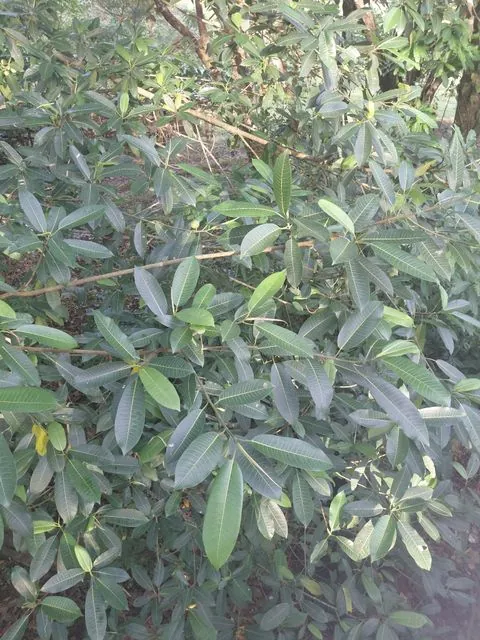
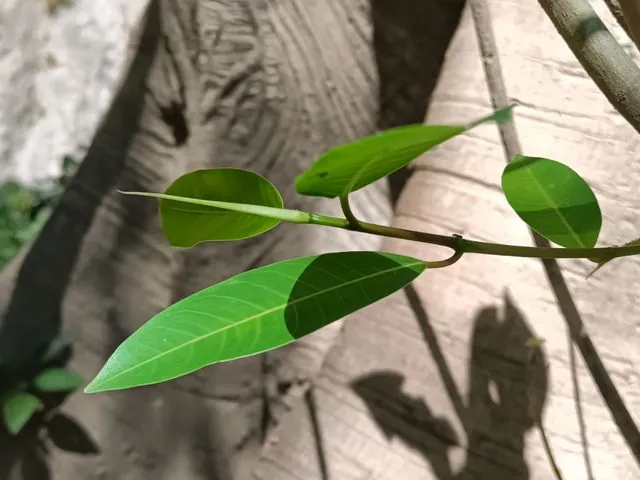
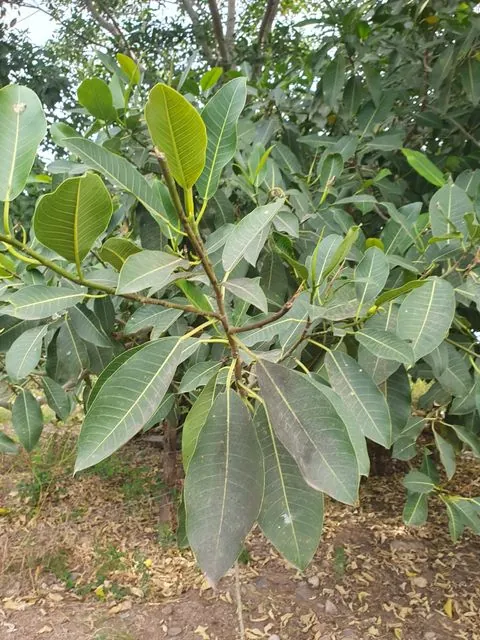
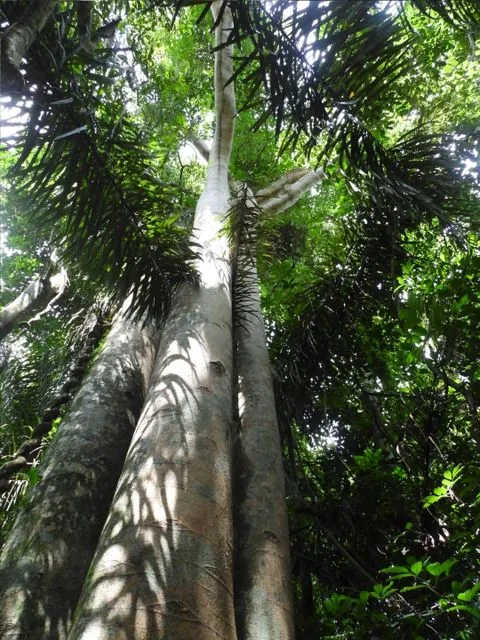
Canonical name: The scientific name without its authorship or date, for example Zea mays instead of Zea mays L. — The scientific name without its authorship or date, for example Zea mays instead of Zea mays L.
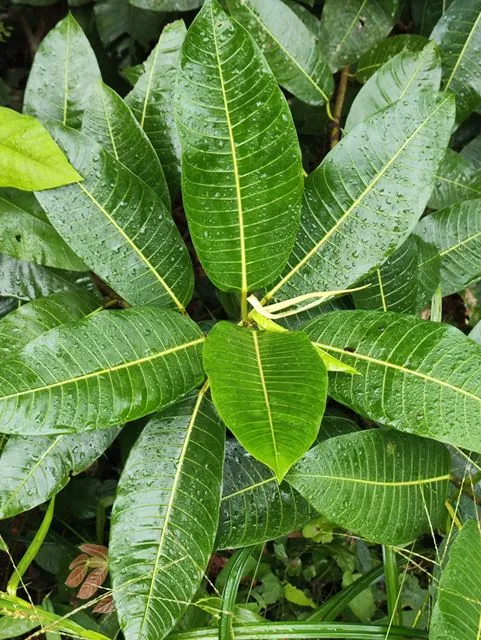
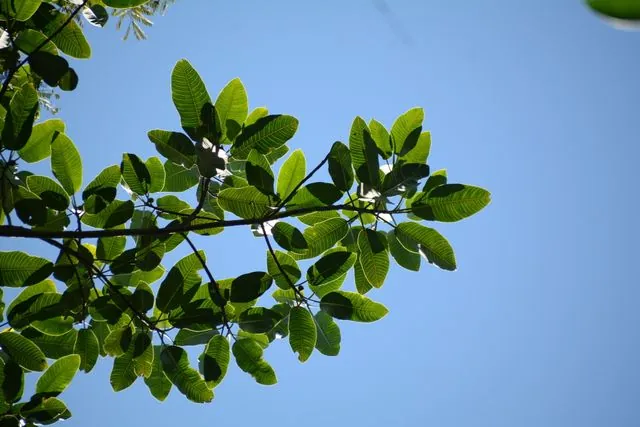
Ficus insipida
Authorship: The author or authors credited with publishing the scientific name. It is written after the name, sometimes with the year, for example L. (Linnaeus) in Zea mays L. An author in parentheses first published the name in another genus or rank. — The author or authors credited with publishing the scientific name. It is written after the name, sometimes with the year, for example L. (Linnaeus) in Zea mays L. An author in parentheses first published the name in another genus or rank.
Willd.
Common names
Wild FigNames in other languages (35)Ajéj, Apach, Arajpi chi tape, Batsù̱l, Datsí, Figueira, Figueira-branca, Figueira-do-brejo, Figuier blanc, Figyé (a) agouti, Figyé modi, Hatun ila, Higuerón, Ila, Ila muyu, Japa wampu, Kirmėlinis fikusas, Mata-pau, Ojé, Parutu, Quaxinduba, Seem, Wampu, cabeza de piyo, doctor oje, figovník nechutný, figowiec mdły, jun, leche de oje, mage viigipuu, oje, ou-uuli, sak-kabah, Амате, تين أجرد, 無味榕
Kingdom: One of the broadest ranks of biological classification. It groups organisms that share very basic features, for example plants (Plantae), animals (Animalia) or fungi (Fungi). — One of the broadest ranks of biological classification. It groups organisms that share very basic features, for example plants (Plantae), animals (Animalia) or fungi (Fungi).
Plantae
Phylum: Rank below kingdom that groups organisms with a shared general body plan, for example chordates (Chordata), arthropods (Arthropoda) or vascular plants (Tracheophyta). In botany the same rank is also called division. — Rank below kingdom that groups organisms with a shared general body plan, for example chordates (Chordata), arthropods (Arthropoda) or vascular plants (Tracheophyta). In botany the same rank is also called division.
Tracheophyta
Class: Rank below phylum, for example mammals (Mammalia), birds (Aves), insects (Insecta) or monocot plants such as grasses and orchids (Liliopsida). — Rank below phylum, for example mammals (Mammalia), birds (Aves), insects (Insecta) or monocot plants such as grasses and orchids (Liliopsida).
Magnoliopsida
Order: Rank below class that groups related families, for example grasses and their relatives (Poales) or bats (Chiroptera). — Rank below class that groups related families, for example grasses and their relatives (Poales) or bats (Chiroptera).
Rosales
Family: Rank below order that groups related genera. Family names usually end in -aceae in botany (for example Poaceae, the grass family) and in -idae in zoology (for example Felidae, the cat family). — Rank below order that groups related genera. Family names usually end in -aceae in botany (for example Poaceae, the grass family) and in -idae in zoology (for example Felidae, the cat family).
Moraceae
Genus: Rank that groups closely related species. Its name is the first word of a species' scientific name and starts with a capital letter, for example Zea in Zea mays. — Rank that groups closely related species. Its name is the first word of a species' scientific name and starts with a capital letter, for example Zea in Zea mays.
Ficus
Specific epithet: The second word of a species' scientific name. On its own it does not name the species: it always goes with the genus, for example mays in Zea mays. — The second word of a species' scientific name. On its own it does not name the species: it always goes with the genus, for example mays in Zea mays.
insipida
Taxonomic rank: The level a name occupies in the hierarchy of biological classification, such as kingdom, family, genus, species or subspecies. — The level a name occupies in the hierarchy of biological classification, such as kingdom, family, genus, species or subspecies.
species
Reference species
Ficus insipida
Taxonomic status: Whether the taxonomic catalogue the record comes from currently accepts this name for the organism, or treats it as a synonym of another accepted name or as doubtful. — Whether the taxonomic catalogue the record comes from currently accepts this name for the organism, or treats it as a synonym of another accepted name or as doubtful.
accepted name
Photos and conservation status
IUCN Red List category: The extinction-risk category that the International Union for Conservation of Nature (IUCN) assigns to a species on its Red List. EX Extinct: there is no reasonable doubt that the last individual has died. EW Extinct in the wild: it survives only in cultivation, in captivity or as a population far outside its past range. CR Critically endangered, EN Endangered and VU Vulnerable: the three threatened categories, from an extremely high to a high risk of extinction in the wild. NT Near threatened: close to qualifying as threatened. LC Least concern: evaluated and not threatened. DD Data deficient: there is not enough information to assess its risk. NE Not evaluated: not yet assessed against the criteria. It describes the risk of the species worldwide, not its situation in a project's area. — The extinction-risk category that the International Union for Conservation of Nature (IUCN) assigns to a species on its Red List. EX Extinct: there is no reasonable doubt that the last individual has died. EW Extinct in the wild: it survives only in cultivation, in captivity or as a population far outside its past range. CR Critically endangered, EN Endangered and VU Vulnerable: the three threatened categories, from an extremely high to a high risk of extinction in the wild. NT Near threatened: close to qualifying as threatened. LC Least concern: evaluated and not threatened. DD Data deficient: there is not enough information to assess its risk. NE Not evaluated: not yet assessed against the criteria. It describes the risk of the species worldwide, not its situation in a project's area.
Least concern (LC)
Source: IUCN Red List via GBIF, queried on 2026-10-09 07:12.
Research-grade iNaturalist observations via GBIF, CC0 or CC BY licences only, queried on 2026-10-09 07:12.
Interacciones documentadas
GloBI says it is documented somewhere in the world. Biolitica answers whether it could happen here.
A documented interaction means it was recorded somewhere in the world. It does not mean it occurs here.
Types shown: 8 of 8
is eaten by
×
has as a vector
×
is a host of
×
interacts with
×
is visited by
×
has as a parasite
×
is a parasite of
×
has its flowers visited by
×
Blocks that do not sit under a navigation concept heading keep the source's own term: no navigation concept has been assigned to them yet.
is eaten by
269 organisms
This term does declare that the organism harms this species.
Morrison, D. W., and S. H. Morrison. 1981. Economics of harem maintenance by a Neotropical bat. Ecology, 62: 864- 866.
Published in globalbioticinteractions/bat-co-roosting-database
Record contexts (sample): no place published · no date published; Smithsonian Tropical Research Institute field station, Barro Colorado Island · Jan. 1, 1979
Claim type
Published relationship between two taxa
Version
GloBI 0.11
Reuse
This release publishes no reuse terms for this record.
no place published · no date publishedWhere it is: line:hash://sha256/021a206a1459bcca7e251c73f5bd180fc3ac342a09c499855fe42e21fc09edcf!/interactions.tsv.gz!/L7063318
Smithsonian Tropical Research Institute field station, Barro Colorado Island · Jan. 1, 1979As published: 1979-01-01T00:00:00ZWhere it is: line:hash://sha256/021a206a1459bcca7e251c73f5bd180fc3ac342a09c499855fe42e21fc09edcf!/interactions.tsv.gz!/L7063321
Morrison, D. W. 1980. Efficiency of food utilization by fruit bats. Oecologia 45: 270-273.
Published in globalbioticinteractions/batbase
Context: Captivity · no date published
Claim type
Published relationship between two taxa
Version
GloBI 0.11
Reuse
This release publishes no reuse terms for this record.
Captivity · no date publishedWhere it is: line:hash://sha256/021a206a1459bcca7e251c73f5bd180fc3ac342a09c499855fe42e21fc09edcf!/interactions.tsv.gz!/L12439963
No public URL for this record
Kalko BCI zero intx removed
Published in globalbioticinteractions/fricke2020
Context: Panama · no date published
Claim type
Published relationship between two taxa
Version
GloBI 0.11
Reuse
This release publishes no reuse terms for this record.
Panama · no date publishedWhere it is: line:hash://sha256/021a206a1459bcca7e251c73f5bd180fc3ac342a09c499855fe42e21fc09edcf!/interactions.tsv.gz!/L13301084
No public URL for this record
Lopez & Vaughn 2004
Published in globalbioticinteractions/fricke2020
Context: Costa Rica · no date published
Claim type
Published relationship between two taxa
Version
GloBI 0.11
Reuse
This release publishes no reuse terms for this record.
Costa Rica · no date publishedWhere it is: line:hash://sha256/021a206a1459bcca7e251c73f5bd180fc3ac342a09c499855fe42e21fc09edcf!/interactions.tsv.gz!/L13301258
No public URL for this record
Castano 2009
Published in globalbioticinteractions/fricke2020
Context: Venezuela · no date published
Claim type
Published relationship between two taxa
Version
GloBI 0.11
Reuse
This release publishes no reuse terms for this record.
Venezuela · no date publishedWhere it is: line:hash://sha256/021a206a1459bcca7e251c73f5bd180fc3ac342a09c499855fe42e21fc09edcf!/interactions.tsv.gz!/L13309341
No public URL for this record
Castano 2018
Published in globalbioticinteractions/fricke2020
Context: Colombia · no date published
Claim type
Published relationship between two taxa
Version
GloBI 0.11
Reuse
This release publishes no reuse terms for this record.
Colombia · no date publishedWhere it is: line:hash://sha256/021a206a1459bcca7e251c73f5bd180fc3ac342a09c499855fe42e21fc09edcf!/interactions.tsv.gz!/L13309705
No public URL for this record
Castro-Luna 2012
Published in globalbioticinteractions/fricke2020
Context: Mexico · no date published
Claim type
Published relationship between two taxa
Version
GloBI 0.11
Reuse
This release publishes no reuse terms for this record.
Mexico · no date publishedWhere it is: line:hash://sha256/021a206a1459bcca7e251c73f5bd180fc3ac342a09c499855fe42e21fc09edcf!/interactions.tsv.gz!/L13310850
No public URL for this record
Heithaus 1975
Published in globalbioticinteractions/fricke2020
Context: Costa Rica · no date published
Claim type
Published relationship between two taxa
Version
GloBI 0.11
Reuse
This release publishes no reuse terms for this record.
Costa Rica · no date publishedWhere it is: line:hash://sha256/021a206a1459bcca7e251c73f5bd180fc3ac342a09c499855fe42e21fc09edcf!/interactions.tsv.gz!/L13340910
No public URL for this record
And 23 more sources, with fewer records, not listed here.
A published relationship says these two taxa were documented interacting. It does not say how often, or that it happens in this project's region.
Great Fruit-eating BatArtibeus lituratusPhyllostomidae
is eaten by
28
not compared
28 sources · 34 records
Zapata-Mesa 2017
Published in globalbioticinteractions/fricke2020
Record contexts (sample): Colombia · no date published; Colombia · no date published
Claim type
Published relationship between two taxa
Version
GloBI 0.11
Reuse
This release publishes no reuse terms for this record.
Colombia · no date publishedWhere it is: line:hash://sha256/021a206a1459bcca7e251c73f5bd180fc3ac342a09c499855fe42e21fc09edcf!/interactions.tsv.gz!/L13392330
Colombia · no date publishedWhere it is: line:hash://sha256/021a206a1459bcca7e251c73f5bd180fc3ac342a09c499855fe42e21fc09edcf!/interactions.tsv.gz!/L13392352
Colombia · no date publishedWhere it is: line:hash://sha256/021a206a1459bcca7e251c73f5bd180fc3ac342a09c499855fe42e21fc09edcf!/interactions.tsv.gz!/L13392362
And 2 more records of this source, not listed here.
No public URL for this record
doi:10.1002/ecy.1818
Published in globalbioticinteractions/bello2017
Record contexts (sample): no place published · no date published; no place published · no date published
Claim type
Published relationship between two taxa
Version
GloBI 0.11
Reuse
This release publishes no reuse terms for this record.
no place published · no date publishedWhere it is: line:hash://sha256/021a206a1459bcca7e251c73f5bd180fc3ac342a09c499855fe42e21fc09edcf!/interactions.tsv.gz!/L7030435
no place published · no date publishedWhere it is: line:hash://sha256/021a206a1459bcca7e251c73f5bd180fc3ac342a09c499855fe42e21fc09edcf!/interactions.tsv.gz!/L7030620
no place published · no date publishedWhere it is: line:hash://sha256/021a206a1459bcca7e251c73f5bd180fc3ac342a09c499855fe42e21fc09edcf!/interactions.tsv.gz!/L7030655
Batista, C. B., N. R. dos-Reis & M. I. Rezende. 2017. Nutritional content of bat-consumed fruits in a forest fragment in southern Brazil. Brazilian Journal of Biology 77 (2): 240-255.
Published in globalbioticinteractions/batbase
Context: Brazil · no date published
Claim type
Published relationship between two taxa
Version
GloBI 0.11
Reuse
This release publishes no reuse terms for this record.
Brazil · no date publishedWhere it is: line:hash://sha256/021a206a1459bcca7e251c73f5bd180fc3ac342a09c499855fe42e21fc09edcf!/interactions.tsv.gz!/L12444396
No public URL for this record
Faria 1996
Published in globalbioticinteractions/fricke2020
Context: Brazil · no date published
Claim type
Published relationship between two taxa
Version
GloBI 0.11
Reuse
This release publishes no reuse terms for this record.
Brazil · no date publishedWhere it is: line:hash://sha256/021a206a1459bcca7e251c73f5bd180fc3ac342a09c499855fe42e21fc09edcf!/interactions.tsv.gz!/L13300483
No public URL for this record
Kalko BCI zero intx removed
Published in globalbioticinteractions/fricke2020
Context: Panama · no date published
Claim type
Published relationship between two taxa
Version
GloBI 0.11
Reuse
This release publishes no reuse terms for this record.
Panama · no date publishedWhere it is: line:hash://sha256/021a206a1459bcca7e251c73f5bd180fc3ac342a09c499855fe42e21fc09edcf!/interactions.tsv.gz!/L13300980
No public URL for this record
Lopez & Vaughn 2004
Published in globalbioticinteractions/fricke2020
Context: Costa Rica · no date published
Claim type
Published relationship between two taxa
Version
GloBI 0.11
Reuse
This release publishes no reuse terms for this record.
Costa Rica · no date publishedWhere it is: line:hash://sha256/021a206a1459bcca7e251c73f5bd180fc3ac342a09c499855fe42e21fc09edcf!/interactions.tsv.gz!/L13301246
No public URL for this record
Brito 2010
Published in globalbioticinteractions/fricke2020
Context: Brazil · no date published
Claim type
Published relationship between two taxa
Version
GloBI 0.11
Reuse
This release publishes no reuse terms for this record.
Brazil · no date publishedWhere it is: line:hash://sha256/021a206a1459bcca7e251c73f5bd180fc3ac342a09c499855fe42e21fc09edcf!/interactions.tsv.gz!/L13308494
No public URL for this record
Castano 2009
Published in globalbioticinteractions/fricke2020
Context: Venezuela · no date published
Claim type
Published relationship between two taxa
Version
GloBI 0.11
Reuse
This release publishes no reuse terms for this record.
Venezuela · no date publishedWhere it is: line:hash://sha256/021a206a1459bcca7e251c73f5bd180fc3ac342a09c499855fe42e21fc09edcf!/interactions.tsv.gz!/L13309153
No public URL for this record
And 20 more sources, with fewer records, not listed here.
A published relationship says these two taxa were documented interacting. It does not say how often, or that it happens in this project's region.
Record contexts (sample): Colombia · no date published; Colombia · no date published
Claim type
Published relationship between two taxa
Version
GloBI 0.11
Reuse
This release publishes no reuse terms for this record.
Colombia · no date publishedWhere it is: line:hash://sha256/021a206a1459bcca7e251c73f5bd180fc3ac342a09c499855fe42e21fc09edcf!/interactions.tsv.gz!/L13392355
Colombia · no date publishedWhere it is: line:hash://sha256/021a206a1459bcca7e251c73f5bd180fc3ac342a09c499855fe42e21fc09edcf!/interactions.tsv.gz!/L13392455
Colombia · no date publishedWhere it is: line:hash://sha256/021a206a1459bcca7e251c73f5bd180fc3ac342a09c499855fe42e21fc09edcf!/interactions.tsv.gz!/L13392470
And 2 more records of this source, not listed here.
No public URL for this record
doi:10.1002/ecy.1818
Published in globalbioticinteractions/bello2017
Record contexts (sample): no place published · no date published; no place published · no date published
Claim type
Published relationship between two taxa
Version
GloBI 0.11
Reuse
This release publishes no reuse terms for this record.
no place published · no date publishedWhere it is: line:hash://sha256/021a206a1459bcca7e251c73f5bd180fc3ac342a09c499855fe42e21fc09edcf!/interactions.tsv.gz!/L7030718
no place published · no date publishedWhere it is: line:hash://sha256/021a206a1459bcca7e251c73f5bd180fc3ac342a09c499855fe42e21fc09edcf!/interactions.tsv.gz!/L7030917
This release publishes no reuse terms for this record.
Brazil · no date publishedWhere it is: line:hash://sha256/021a206a1459bcca7e251c73f5bd180fc3ac342a09c499855fe42e21fc09edcf!/interactions.tsv.gz!/L13300419
No public URL for this record
Kalko BCI zero intx removed
Published in globalbioticinteractions/fricke2020
Context: Panama · no date published
Claim type
Published relationship between two taxa
Version
GloBI 0.11
Reuse
This release publishes no reuse terms for this record.
Panama · no date publishedWhere it is: line:hash://sha256/021a206a1459bcca7e251c73f5bd180fc3ac342a09c499855fe42e21fc09edcf!/interactions.tsv.gz!/L13300879
No public URL for this record
Lopez & Vaughn 2004
Published in globalbioticinteractions/fricke2020
Context: Costa Rica · no date published
Claim type
Published relationship between two taxa
Version
GloBI 0.11
Reuse
This release publishes no reuse terms for this record.
Costa Rica · no date publishedWhere it is: line:hash://sha256/021a206a1459bcca7e251c73f5bd180fc3ac342a09c499855fe42e21fc09edcf!/interactions.tsv.gz!/L13301366
No public URL for this record
Brito 2010
Published in globalbioticinteractions/fricke2020
Context: Brazil · no date published
Claim type
Published relationship between two taxa
Version
GloBI 0.11
Reuse
This release publishes no reuse terms for this record.
Brazil · no date publishedWhere it is: line:hash://sha256/021a206a1459bcca7e251c73f5bd180fc3ac342a09c499855fe42e21fc09edcf!/interactions.tsv.gz!/L13308501
No public URL for this record
Castano 2009
Published in globalbioticinteractions/fricke2020
Context: Venezuela · no date published
Claim type
Published relationship between two taxa
Version
GloBI 0.11
Reuse
This release publishes no reuse terms for this record.
Venezuela · no date publishedWhere it is: line:hash://sha256/021a206a1459bcca7e251c73f5bd180fc3ac342a09c499855fe42e21fc09edcf!/interactions.tsv.gz!/L13309256
No public URL for this record
Castano 2018
Published in globalbioticinteractions/fricke2020
Context: Colombia · no date published
Claim type
Published relationship between two taxa
Version
GloBI 0.11
Reuse
This release publishes no reuse terms for this record.
Colombia · no date publishedWhere it is: line:hash://sha256/021a206a1459bcca7e251c73f5bd180fc3ac342a09c499855fe42e21fc09edcf!/interactions.tsv.gz!/L13309827
No public URL for this record
And 12 more sources, with fewer records, not listed here.
A published relationship says these two taxa were documented interacting. It does not say how often, or that it happens in this project's region.
Little Yellow-shouldered BatSturnira liliumPhyllostomidae
is eaten by
14
not compared
14 sources · 18 records
Zapata-Mesa 2017
Published in globalbioticinteractions/fricke2020
Record contexts (sample): Colombia · no date published; Colombia · no date published
Claim type
Published relationship between two taxa
Version
GloBI 0.11
Reuse
This release publishes no reuse terms for this record.
Colombia · no date publishedWhere it is: line:hash://sha256/021a206a1459bcca7e251c73f5bd180fc3ac342a09c499855fe42e21fc09edcf!/interactions.tsv.gz!/L13392340
Colombia · no date publishedWhere it is: line:hash://sha256/021a206a1459bcca7e251c73f5bd180fc3ac342a09c499855fe42e21fc09edcf!/interactions.tsv.gz!/L13392420
Colombia · no date publishedWhere it is: line:hash://sha256/021a206a1459bcca7e251c73f5bd180fc3ac342a09c499855fe42e21fc09edcf!/interactions.tsv.gz!/L13392423
And 2 more records of this source, not listed here.
No public URL for this record
Faria 1996
Published in globalbioticinteractions/fricke2020
Context: Brazil · no date published
Claim type
Published relationship between two taxa
Version
GloBI 0.11
Reuse
This release publishes no reuse terms for this record.
Brazil · no date publishedWhere it is: line:hash://sha256/021a206a1459bcca7e251c73f5bd180fc3ac342a09c499855fe42e21fc09edcf!/interactions.tsv.gz!/L13300476
No public URL for this record
Brito 2010
Published in globalbioticinteractions/fricke2020
Context: Brazil · no date published
Claim type
Published relationship between two taxa
Version
GloBI 0.11
Reuse
This release publishes no reuse terms for this record.
Brazil · no date publishedWhere it is: line:hash://sha256/021a206a1459bcca7e251c73f5bd180fc3ac342a09c499855fe42e21fc09edcf!/interactions.tsv.gz!/L13308515
No public URL for this record
Castano 2009
Published in globalbioticinteractions/fricke2020
Context: Venezuela · no date published
Claim type
Published relationship between two taxa
Version
GloBI 0.11
Reuse
This release publishes no reuse terms for this record.
Venezuela · no date publishedWhere it is: line:hash://sha256/021a206a1459bcca7e251c73f5bd180fc3ac342a09c499855fe42e21fc09edcf!/interactions.tsv.gz!/L13309433
No public URL for this record
Castro-Luna 2012
Published in globalbioticinteractions/fricke2020
Context: Mexico · no date published
Claim type
Published relationship between two taxa
Version
GloBI 0.11
Reuse
This release publishes no reuse terms for this record.
Mexico · no date publishedWhere it is: line:hash://sha256/021a206a1459bcca7e251c73f5bd180fc3ac342a09c499855fe42e21fc09edcf!/interactions.tsv.gz!/L13310680
No public URL for this record
Dos Reis 1983
Published in globalbioticinteractions/fricke2020
Context: Brazil · no date published
Claim type
Published relationship between two taxa
Version
GloBI 0.11
Reuse
This release publishes no reuse terms for this record.
Brazil · no date publishedWhere it is: line:hash://sha256/021a206a1459bcca7e251c73f5bd180fc3ac342a09c499855fe42e21fc09edcf!/interactions.tsv.gz!/L13326156
No public URL for this record
Gomes 2013
Published in globalbioticinteractions/fricke2020
Context: Brazil · no date published
Claim type
Published relationship between two taxa
Version
GloBI 0.11
Reuse
This release publishes no reuse terms for this record.
Brazil · no date publishedWhere it is: line:hash://sha256/021a206a1459bcca7e251c73f5bd180fc3ac342a09c499855fe42e21fc09edcf!/interactions.tsv.gz!/L13338573
No public URL for this record
Heithaus 1975
Published in globalbioticinteractions/fricke2020
Context: Costa Rica · no date published
Claim type
Published relationship between two taxa
Version
GloBI 0.11
Reuse
This release publishes no reuse terms for this record.
Costa Rica · no date publishedWhere it is: line:hash://sha256/021a206a1459bcca7e251c73f5bd180fc3ac342a09c499855fe42e21fc09edcf!/interactions.tsv.gz!/L13340878
No public URL for this record
And 6 more sources, with fewer records, not listed here.
A published relationship says these two taxa were documented interacting. It does not say how often, or that it happens in this project's region.
Giannini, N. P. & E. K. Kalko. 2004. Trophic structure in a large assemblage of phyllostomid bats in Panama. Oikos 105: 209-220.
Published in globalbioticinteractions/batbase
Context: Barro Colorado Island · no date published
Claim type
Published relationship between two taxa
Version
GloBI 0.11
Reuse
This release publishes no reuse terms for this record.
Barro Colorado Island · no date publishedWhere it is: line:hash://sha256/021a206a1459bcca7e251c73f5bd180fc3ac342a09c499855fe42e21fc09edcf!/interactions.tsv.gz!/L12438679
No public URL for this record
Handley, C. O. & E. G. Leigh. 1991. Diet and food supply. In: Demography and natural history of the common fruit bat Artibeus jamaicensis on Barro Colorado Island, Panamá (C. O. Handley, D. E. Wilson & A. L. Gardner, eds.). pp. 147-149. Smithsonian Institute Press, Washington, D…
Published in globalbioticinteractions/batbase
Context: Barro Colorado Island · no date published
Claim type
Published relationship between two taxa
Version
GloBI 0.11
Reuse
This release publishes no reuse terms for this record.
Barro Colorado Island · no date publishedWhere it is: line:hash://sha256/021a206a1459bcca7e251c73f5bd180fc3ac342a09c499855fe42e21fc09edcf!/interactions.tsv.gz!/L12439285
No public URL for this record
Heithaus, E. R., T. H. Fleming & P. A. Opler. 1975. Foraging patterns and resource utilization in seven species of bats in a seasonal tropical forest. Ecology 56: 841-854.
Published in globalbioticinteractions/batbase
Context: Finca La Pacifica, Guanacaste · no date published
Claim type
Published relationship between two taxa
Version
GloBI 0.11
Reuse
This release publishes no reuse terms for this record.
Finca La Pacifica, Guanacaste · no date publishedWhere it is: line:hash://sha256/021a206a1459bcca7e251c73f5bd180fc3ac342a09c499855fe42e21fc09edcf!/interactions.tsv.gz!/L12439362
No public URL for this record
Herrera-M, L., et al. 2001. Sources of protein in two species of phytophagous bats in a seasonal dry forest: evidence from stable-isotype analysis. Journal of Mammalogy 82 (2): 352-361.
Published in globalbioticinteractions/batbase
Context: Chamela-Cuixmala Biosphere Reserve · no date published
Claim type
Published relationship between two taxa
Version
GloBI 0.11
Reuse
This release publishes no reuse terms for this record.
Chamela-Cuixmala Biosphere Reserve · no date publishedWhere it is: line:hash://sha256/021a206a1459bcca7e251c73f5bd180fc3ac342a09c499855fe42e21fc09edcf!/interactions.tsv.gz!/L12439491
No public URL for this record
Morrison, D. W. 1978a. Foraging ecology and energetics of the frugivorous bat Artibeus jamaicensis. Ecology 59 (4): 716-723.
Published in globalbioticinteractions/batbase
Context: Barro Colorado Island · no date published
Claim type
Published relationship between two taxa
Version
GloBI 0.11
Reuse
This release publishes no reuse terms for this record.
Barro Colorado Island · no date publishedWhere it is: line:hash://sha256/021a206a1459bcca7e251c73f5bd180fc3ac342a09c499855fe42e21fc09edcf!/interactions.tsv.gz!/L12439960
No public URL for this record
Orozco-Segovia, A. & C. Vázquez-Yanes. 1982. Plants and fruit bat interactions in a tropical rain forest area, southeastern Mexico. Brenesia 19/20: 137-149.
Published in globalbioticinteractions/batbase
Context: Los Tuxtlas · no date published
Claim type
Published relationship between two taxa
Version
GloBI 0.11
Reuse
This release publishes no reuse terms for this record.
Los Tuxtlas · no date publishedWhere it is: line:hash://sha256/021a206a1459bcca7e251c73f5bd180fc3ac342a09c499855fe42e21fc09edcf!/interactions.tsv.gz!/L12440055
No public URL for this record
Orozco-Segovia, A., et al. 1985. Interacciones entre una población de murciélagos de la especie Artibeus jamaicensis y la vegetación delárea circundante, en la región de Los Tuxlas, Veracruz. In: Investigaciones sobre la regeneracion de selvas altas en Veracruz, Mexico (A. Gomez…
Published in globalbioticinteractions/batbase
Context: Los Tuxtlas · no date published
Claim type
Published relationship between two taxa
Version
GloBI 0.11
Reuse
This release publishes no reuse terms for this record.
Los Tuxtlas · no date publishedWhere it is: line:hash://sha256/021a206a1459bcca7e251c73f5bd180fc3ac342a09c499855fe42e21fc09edcf!/interactions.tsv.gz!/L12440086
No public URL for this record
Palmeirim, J. M., D. L. Gorchov & S. Stoleson. 1989. Trophic structure of a neotropical frugivore community: is there competition between birds and bats? Oecologia 79: 403-411.
Published in globalbioticinteractions/batbase
Context: La Selva Biological Station · no date published
Claim type
Published relationship between two taxa
Version
GloBI 0.11
Reuse
This release publishes no reuse terms for this record.
La Selva Biological Station · no date publishedWhere it is: line:hash://sha256/021a206a1459bcca7e251c73f5bd180fc3ac342a09c499855fe42e21fc09edcf!/interactions.tsv.gz!/L12440107
No public URL for this record
And 10 more sources, with fewer records, not listed here.
A published relationship says these two taxa were documented interacting. It does not say how often, or that it happens in this project's region.
Great Fruit-eating BatArtibeus lituratusPhyllostomidae
has as a vector
12
not compared
12 sources · 12 records
Giannini, N. P. & E. K. Kalko. 2004. Trophic structure in a large assemblage of phyllostomid bats in Panama. Oikos 105: 209-220.
Published in globalbioticinteractions/batbase
Context: Barro Colorado Island · no date published
Claim type
Published relationship between two taxa
Version
GloBI 0.11
Reuse
This release publishes no reuse terms for this record.
Barro Colorado Island · no date publishedWhere it is: line:hash://sha256/021a206a1459bcca7e251c73f5bd180fc3ac342a09c499855fe42e21fc09edcf!/interactions.tsv.gz!/L12438698
No public URL for this record
Handley, C. O. & E. G. Leigh. 1991. Diet and food supply. In: Demography and natural history of the common fruit bat Artibeus jamaicensis on Barro Colorado Island, Panamá (C. O. Handley, D. E. Wilson & A. L. Gardner, eds.). pp. 147-149. Smithsonian Institute Press, Washington, D…
Published in globalbioticinteractions/batbase
Context: Barro Colorado Island · no date published
Claim type
Published relationship between two taxa
Version
GloBI 0.11
Reuse
This release publishes no reuse terms for this record.
Barro Colorado Island · no date publishedWhere it is: line:hash://sha256/021a206a1459bcca7e251c73f5bd180fc3ac342a09c499855fe42e21fc09edcf!/interactions.tsv.gz!/L12439286
No public URL for this record
Morrison, D. W. 1980b. Foraging and day-roosting dynamics of canopy fruit bats in Panama. Journal of Mammalogy 61 (1): 20-29.
Published in globalbioticinteractions/batbase
Context: Barro Colorado Island · no date published
Claim type
Published relationship between two taxa
Version
GloBI 0.11
Reuse
This release publishes no reuse terms for this record.
Barro Colorado Island · no date publishedWhere it is: line:hash://sha256/021a206a1459bcca7e251c73f5bd180fc3ac342a09c499855fe42e21fc09edcf!/interactions.tsv.gz!/L12439964
No public URL for this record
Palmeirim, J. M., D. L. Gorchov & S. Stoleson. 1989. Trophic structure of a neotropical frugivore community: is there competition between birds and bats? Oecologia 79: 403-411.
Published in globalbioticinteractions/batbase
Context: La Selva Biological Station · no date published
Claim type
Published relationship between two taxa
Version
GloBI 0.11
Reuse
This release publishes no reuse terms for this record.
La Selva Biological Station · no date publishedWhere it is: line:hash://sha256/021a206a1459bcca7e251c73f5bd180fc3ac342a09c499855fe42e21fc09edcf!/interactions.tsv.gz!/L12440112
No public URL for this record
dos-Reis, N. R. & A. L. Peracchi. 1987. Quirópteros da região de Manaus, Amazonas, Brasil (Mammalia, Chiroptera). Boletim do Museu Paraense Para Emilio Goeldi de História Natural e Ethnographia 3 (2): 161-182.
Published in globalbioticinteractions/batbase
Context: Manaus-Forest · no date published
Claim type
Published relationship between two taxa
Version
GloBI 0.11
Reuse
This release publishes no reuse terms for this record.
Manaus-Forest · no date publishedWhere it is: line:hash://sha256/021a206a1459bcca7e251c73f5bd180fc3ac342a09c499855fe42e21fc09edcf!/interactions.tsv.gz!/L12440380
No public URL for this record
Banack, S. A., M. H. Horn & A. Gawlicka. 2002. Disperser- vs. establishment-limited distribution of a riparian fig tree (Ficus insipida) in a Costa Rican tropical rain forest. Biotropica 34 (2): 232-243.
Published in globalbioticinteractions/batbase
Context: La Selva Biological Station · no date published
Claim type
Published relationship between two taxa
Version
GloBI 0.11
Reuse
This release publishes no reuse terms for this record.
La Selva Biological Station · no date publishedWhere it is: line:hash://sha256/021a206a1459bcca7e251c73f5bd180fc3ac342a09c499855fe42e21fc09edcf!/interactions.tsv.gz!/L12441601
No public URL for this record
Bonaccorso, F. J. 1979. Foraging and reproductive ecology in a Panamanian bat community. Bulletin of the Florida State Museum, Biological Sciences 24: 359-408.
Published in globalbioticinteractions/batbase
Context: Barro Colorado Island · no date published
Claim type
Published relationship between two taxa
Version
GloBI 0.11
Reuse
This release publishes no reuse terms for this record.
Barro Colorado Island · no date publishedWhere it is: line:hash://sha256/021a206a1459bcca7e251c73f5bd180fc3ac342a09c499855fe42e21fc09edcf!/interactions.tsv.gz!/L12441705
No public URL for this record
Shanahan, M., et al. 2001. Fig-eating by vertebrate frugivores: a global review. Biological Reviews 76: 529-572.
Published in globalbioticinteractions/batbase
Context: Unspecified · no date published
Claim type
Published relationship between two taxa
Version
GloBI 0.11
Reuse
This release publishes no reuse terms for this record.
Unspecified · no date publishedWhere it is: line:hash://sha256/021a206a1459bcca7e251c73f5bd180fc3ac342a09c499855fe42e21fc09edcf!/interactions.tsv.gz!/L12442739
No public URL for this record
And 4 more sources, with fewer records, not listed here.
A published relationship says these two taxa were documented interacting. It does not say how often, or that it happens in this project's region.
Pygmy Fruit-eating BatArtibeus phaeotis
has as a vector
6
not compared
6 sources · 6 records
Giannini, N. P. & E. K. Kalko. 2004. Trophic structure in a large assemblage of phyllostomid bats in Panama. Oikos 105: 209-220.
Published in globalbioticinteractions/batbase
Context: Barro Colorado Island · no date published
Claim type
Published relationship between two taxa
Version
GloBI 0.11
Reuse
This release publishes no reuse terms for this record.
Barro Colorado Island · no date publishedWhere it is: line:hash://sha256/021a206a1459bcca7e251c73f5bd180fc3ac342a09c499855fe42e21fc09edcf!/interactions.tsv.gz!/L12438712
No public URL for this record
Bonaccorso, F. J. & S. R. Humphrey. 1984. Fruit bat niche dynamics: their role in maintaining tropical forest diversity. In: Tropical Rain-Forest: The Leeds Symposium (A. C. Chadwich & S. L. Sutton, eds.). pp. 169-183. Leeds Philosphical & Literary Society, Leeds, UK.
Published in globalbioticinteractions/batbase
Context: Barro Colorado Island · no date published
Claim type
Published relationship between two taxa
Version
GloBI 0.11
Reuse
This release publishes no reuse terms for this record.
Barro Colorado Island · no date publishedWhere it is: line:hash://sha256/021a206a1459bcca7e251c73f5bd180fc3ac342a09c499855fe42e21fc09edcf!/interactions.tsv.gz!/L12441617
No public URL for this record
Shanahan, M., et al. 2001. Fig-eating by vertebrate frugivores: a global review. Biological Reviews 76: 529-572.
Published in globalbioticinteractions/batbase
Context: Unspecified · no date published
Claim type
Published relationship between two taxa
Version
GloBI 0.11
Reuse
This release publishes no reuse terms for this record.
Unspecified · no date publishedWhere it is: line:hash://sha256/021a206a1459bcca7e251c73f5bd180fc3ac342a09c499855fe42e21fc09edcf!/interactions.tsv.gz!/L12442750
No public URL for this record
Wendeln, M. C., J. R. Runkle & E. K. Kalko. 2000. Nutritional values of 14 fig species and bat feeding preferences in Panama. Biotropica 32 (3): 489-501.
Published in globalbioticinteractions/batbase
Context: Barro Colorado Island · no date published
Claim type
Published relationship between two taxa
Version
GloBI 0.11
Reuse
This release publishes no reuse terms for this record.
Barro Colorado Island · no date publishedWhere it is: line:hash://sha256/021a206a1459bcca7e251c73f5bd180fc3ac342a09c499855fe42e21fc09edcf!/interactions.tsv.gz!/L12443498
No public URL for this record
Castaño, J. H. 2009. Murciélagos frugívoros y plantas quiropterocoras: descubriendo la estructura de sus interacciones mutualistas en una selva semi-caducifolia. M.S. Thesis. Universidad de los Andes, Mérida, Venezuela.
Published in globalbioticinteractions/batbase
Context: Sector San Ramón, Barinas, Bolivar · no date published
Claim type
Published relationship between two taxa
Version
GloBI 0.11
Reuse
This release publishes no reuse terms for this record.
Sector San Ramón, Barinas, Bolivar · no date publishedWhere it is: line:hash://sha256/021a206a1459bcca7e251c73f5bd180fc3ac342a09c499855fe42e21fc09edcf!/interactions.tsv.gz!/L12452819
No public URL for this record
Moreno-Mosquera, E. A. 2011. Papel de los murciélagos frugívoros como dispersores de semillas en la Reserva Forestal Natural de Yotoco, municipio de Yotoco, Colombia. M.S. Thesis. Universidad Nacional de Colombia, Bogota, Colombia.
Published in globalbioticinteractions/batbase
Context: Reserva Forestal Natural de Yotoco · no date published
Claim type
Published relationship between two taxa
Version
GloBI 0.11
Reuse
This release publishes no reuse terms for this record.
Reserva Forestal Natural de Yotoco · no date publishedWhere it is: line:hash://sha256/021a206a1459bcca7e251c73f5bd180fc3ac342a09c499855fe42e21fc09edcf!/interactions.tsv.gz!/L12452938
No public URL for this record
A published relationship says these two taxa were documented interacting. It does not say how often, or that it happens in this project's region.
Great Stripe-faced BatVampyrodes caraccioliPhyllostomidae
has as a vector
6
not compared
6 sources · 6 records
Giannini, N. P. & E. K. Kalko. 2004. Trophic structure in a large assemblage of phyllostomid bats in Panama. Oikos 105: 209-220.
Published in globalbioticinteractions/batbase
Context: Barro Colorado Island · no date published
Claim type
Published relationship between two taxa
Version
GloBI 0.11
Reuse
This release publishes no reuse terms for this record.
Barro Colorado Island · no date publishedWhere it is: line:hash://sha256/021a206a1459bcca7e251c73f5bd180fc3ac342a09c499855fe42e21fc09edcf!/interactions.tsv.gz!/L12438847
No public URL for this record
Handley, C. O. & E. G. Leigh. 1991. Diet and food supply. In: Demography and natural history of the common fruit bat Artibeus jamaicensis on Barro Colorado Island, Panamá (C. O. Handley, D. E. Wilson & A. L. Gardner, eds.). pp. 147-149. Smithsonian Institute Press, Washington, D…
Published in globalbioticinteractions/batbase
Context: Barro Colorado Island · no date published
Claim type
Published relationship between two taxa
Version
GloBI 0.11
Reuse
This release publishes no reuse terms for this record.
Barro Colorado Island · no date publishedWhere it is: line:hash://sha256/021a206a1459bcca7e251c73f5bd180fc3ac342a09c499855fe42e21fc09edcf!/interactions.tsv.gz!/L12439287
No public URL for this record
Bonaccorso, F. J. 1979. Foraging and reproductive ecology in a Panamanian bat community. Bulletin of the Florida State Museum, Biological Sciences 24: 359-408.
Published in globalbioticinteractions/batbase
Context: Barro Colorado Island · no date published
Claim type
Published relationship between two taxa
Version
GloBI 0.11
Reuse
This release publishes no reuse terms for this record.
Barro Colorado Island · no date publishedWhere it is: line:hash://sha256/021a206a1459bcca7e251c73f5bd180fc3ac342a09c499855fe42e21fc09edcf!/interactions.tsv.gz!/L12441689
No public URL for this record
Shanahan, M., et al. 2001. Fig-eating by vertebrate frugivores: a global review. Biological Reviews 76: 529-572.
Published in globalbioticinteractions/batbase
Context: Unspecified · no date published
Claim type
Published relationship between two taxa
Version
GloBI 0.11
Reuse
This release publishes no reuse terms for this record.
Unspecified · no date publishedWhere it is: line:hash://sha256/021a206a1459bcca7e251c73f5bd180fc3ac342a09c499855fe42e21fc09edcf!/interactions.tsv.gz!/L12442829
No public URL for this record
Wendeln, M. C., J. R. Runkle & E. K. Kalko. 2000. Nutritional values of 14 fig species and bat feeding preferences in Panama. Biotropica 32 (3): 489-501.
Published in globalbioticinteractions/batbase
Context: Barro Colorado Island · no date published
Claim type
Published relationship between two taxa
Version
GloBI 0.11
Reuse
This release publishes no reuse terms for this record.
Barro Colorado Island · no date publishedWhere it is: line:hash://sha256/021a206a1459bcca7e251c73f5bd180fc3ac342a09c499855fe42e21fc09edcf!/interactions.tsv.gz!/L12443542
No public URL for this record
Lobova, T. A., C. K. Geiselman & S. A. Mori. 2009. Seed dispersal by bats in the Neotropics. Memoirs of the New York Botanical Garden 101: 1-471.
Published in globalbioticinteractions/batbase
Context: Village of Saul-Forest · no date published
Claim type
Published relationship between two taxa
Version
GloBI 0.11
Reuse
This release publishes no reuse terms for this record.
Village of Saul-Forest · no date publishedWhere it is: line:hash://sha256/021a206a1459bcca7e251c73f5bd180fc3ac342a09c499855fe42e21fc09edcf!/interactions.tsv.gz!/L12447075
No public URL for this record
A published relationship says these two taxa were documented interacting. It does not say how often, or that it happens in this project's region.
The authority declares no effect on this species for this term: neither that it harms it nor that it benefits it. In the source ontology symbiosis covers mutualism, commensalism and parasitism alike, so this block holds attackers and allies side by side.
Organism
Reads as
Studies
Where it was documented
Actions
Tetrapus costaricanusAgaonidae
is a host of
14
no location
14 sources · 14 records
http://www.ncbi.nlm.nih.gov/nuccore/25136400
Published in millerse/Wardeh-et-al.-2015
Context: no place published · no date published
Claim type
Published relationship between two taxa
Version
GloBI 0.11
Reuse
This release publishes no reuse terms for this record.
no place published · no date publishedWhere it is: line:hash://sha256/021a206a1459bcca7e251c73f5bd180fc3ac342a09c499855fe42e21fc09edcf!/interactions.tsv.gz!/L464870
This release publishes no reuse terms for this record.
no place published · no date publishedWhere it is: line:hash://sha256/021a206a1459bcca7e251c73f5bd180fc3ac342a09c499855fe42e21fc09edcf!/interactions.tsv.gz!/L464871
This release publishes no reuse terms for this record.
no place published · no date publishedWhere it is: line:hash://sha256/021a206a1459bcca7e251c73f5bd180fc3ac342a09c499855fe42e21fc09edcf!/interactions.tsv.gz!/L464872
This release publishes no reuse terms for this record.
no place published · no date publishedWhere it is: line:hash://sha256/021a206a1459bcca7e251c73f5bd180fc3ac342a09c499855fe42e21fc09edcf!/interactions.tsv.gz!/L464873
This release publishes no reuse terms for this record.
no place published · no date publishedWhere it is: line:hash://sha256/021a206a1459bcca7e251c73f5bd180fc3ac342a09c499855fe42e21fc09edcf!/interactions.tsv.gz!/L464874
This release publishes no reuse terms for this record.
no place published · no date publishedWhere it is: line:hash://sha256/021a206a1459bcca7e251c73f5bd180fc3ac342a09c499855fe42e21fc09edcf!/interactions.tsv.gz!/L464875
This release publishes no reuse terms for this record.
no place published · no date publishedWhere it is: line:hash://sha256/021a206a1459bcca7e251c73f5bd180fc3ac342a09c499855fe42e21fc09edcf!/interactions.tsv.gz!/L464876
This release publishes no reuse terms for this record.
no place published · no date publishedWhere it is: line:hash://sha256/021a206a1459bcca7e251c73f5bd180fc3ac342a09c499855fe42e21fc09edcf!/interactions.tsv.gz!/L464877
Context: Canal de Panama, Barro Colorado Nature Monument, Barro Colorado Island, Smithsonian Tropical Research Institute · June 8, 2011 · Material s…
Claim type
Published relationship between two taxa
Version
GloBI 0.11
Reuse
This release publishes no reuse terms for this record.
Canal de Panama, Barro Colorado Nature Monument, Barro Colorado Island, Smithsonian Tropical Research Institute · June 8, 2011 · Material sampleAs published: 2011-06-08T00:00:00Z · MATERIAL_SAMPLEWhere it is: line:hash://sha256/021a206a1459bcca7e251c73f5bd180fc3ac342a09c499855fe42e21fc09edcf!/interactions.tsv.gz!/L12798467
Context: Canal de Panama, Barro Colorado Nature Monument, Barro Colorado Island, Smithsonian Tropical Research Institute · July 5, 2013 · Material s…
Claim type
Published relationship between two taxa
Version
GloBI 0.11
Reuse
This release publishes no reuse terms for this record.
Canal de Panama, Barro Colorado Nature Monument, Barro Colorado Island, Smithsonian Tropical Research Institute · July 5, 2013 · Material sampleAs published: 2013-07-05T00:00:00Z · MATERIAL_SAMPLEWhere it is: line:hash://sha256/021a206a1459bcca7e251c73f5bd180fc3ac342a09c499855fe42e21fc09edcf!/interactions.tsv.gz!/L12798748
Context: Canal de Panama, Barro Colorado Nature Monument, Barro Colorado Island, Smithsonian Tropical Research Institute · May 24, 2011 · Material s…
Claim type
Published relationship between two taxa
Version
GloBI 0.11
Reuse
This release publishes no reuse terms for this record.
Canal de Panama, Barro Colorado Nature Monument, Barro Colorado Island, Smithsonian Tropical Research Institute · May 24, 2011 · Material sampleAs published: 2011-05-24T00:00:00Z · MATERIAL_SAMPLEWhere it is: line:hash://sha256/021a206a1459bcca7e251c73f5bd180fc3ac342a09c499855fe42e21fc09edcf!/interactions.tsv.gz!/L12798801
Context: Canal de Panama, Barro Colorado Nature Monument, Barro Colorado Island, Smithsonian Tropical Research Institute · May 28, 2011 · Material s…
Claim type
Published relationship between two taxa
Version
GloBI 0.11
Reuse
This release publishes no reuse terms for this record.
Canal de Panama, Barro Colorado Nature Monument, Barro Colorado Island, Smithsonian Tropical Research Institute · May 28, 2011 · Material sampleAs published: 2011-05-28T00:00:00Z · MATERIAL_SAMPLEWhere it is: line:hash://sha256/021a206a1459bcca7e251c73f5bd180fc3ac342a09c499855fe42e21fc09edcf!/interactions.tsv.gz!/L12798802
Context: Canal de Panama, Barro Colorado Nature Monument, Barro Colorado Island, Smithsonian Tropical Research Institute · Nov. 16, 2011 · Material …
Claim type
Published relationship between two taxa
Version
GloBI 0.11
Reuse
This release publishes no reuse terms for this record.
Canal de Panama, Barro Colorado Nature Monument, Barro Colorado Island, Smithsonian Tropical Research Institute · Nov. 16, 2011 · Material sampleAs published: 2011-11-16T00:00:00Z · MATERIAL_SAMPLEWhere it is: line:hash://sha256/021a206a1459bcca7e251c73f5bd180fc3ac342a09c499855fe42e21fc09edcf!/interactions.tsv.gz!/L12798967
Context: Canal de Panama, Barro Colorado Nature Monument, Barro Colorado Island, Smithsonian Tropical Research Institute · June 11, 2011 · Material …
Claim type
Published relationship between two taxa
Version
GloBI 0.11
Reuse
This release publishes no reuse terms for this record.
Canal de Panama, Barro Colorado Nature Monument, Barro Colorado Island, Smithsonian Tropical Research Institute · June 11, 2011 · Material sampleAs published: 2011-06-11T00:00:00Z · MATERIAL_SAMPLEWhere it is: line:hash://sha256/021a206a1459bcca7e251c73f5bd180fc3ac342a09c499855fe42e21fc09edcf!/interactions.tsv.gz!/L12798968
Context: Canal de Panama, Barro Colorado Nature Monument, Barro Colorado Island, Smithsonian Tropical Research Institute · Aug. 17, 2010 · Material …
Claim type
Published relationship between two taxa
Version
GloBI 0.11
Reuse
This release publishes no reuse terms for this record.
Canal de Panama, Barro Colorado Nature Monument, Barro Colorado Island, Smithsonian Tropical Research Institute · Aug. 17, 2010 · Material sampleAs published: 2010-08-17T00:00:00Z · MATERIAL_SAMPLEWhere it is: line:hash://sha256/021a206a1459bcca7e251c73f5bd180fc3ac342a09c499855fe42e21fc09edcf!/interactions.tsv.gz!/L12798969
Context: Canal de Panama, Barro Colorado Nature Monument, Barro Colorado Island, Smithsonian Tropical Research Institute · Sept. 24, 2011 · Material…
Claim type
Published relationship between two taxa
Version
GloBI 0.11
Reuse
This release publishes no reuse terms for this record.
Canal de Panama, Barro Colorado Nature Monument, Barro Colorado Island, Smithsonian Tropical Research Institute · Sept. 24, 2011 · Material sampleAs published: 2011-09-24T00:00:00Z · MATERIAL_SAMPLEWhere it is: line:hash://sha256/021a206a1459bcca7e251c73f5bd180fc3ac342a09c499855fe42e21fc09edcf!/interactions.tsv.gz!/L12796866
Context: Canal de Panama, Barro Colorado Nature Monument, Barro Colorado Island, Smithsonian Tropical Research Institute · May 28, 2013 · Material s…
Claim type
Published relationship between two taxa
Version
GloBI 0.11
Reuse
This release publishes no reuse terms for this record.
Canal de Panama, Barro Colorado Nature Monument, Barro Colorado Island, Smithsonian Tropical Research Institute · May 28, 2013 · Material sampleAs published: 2013-05-28T00:00:00Z · MATERIAL_SAMPLEWhere it is: line:hash://sha256/021a206a1459bcca7e251c73f5bd180fc3ac342a09c499855fe42e21fc09edcf!/interactions.tsv.gz!/L12797179
Context: Canal de Panama, Barro Colorado Nature Monument, Barro Colorado Island, Smithsonian Tropical Research Institute · May 24, 2011 · Material s…
Claim type
Published relationship between two taxa
Version
GloBI 0.11
Reuse
This release publishes no reuse terms for this record.
Canal de Panama, Barro Colorado Nature Monument, Barro Colorado Island, Smithsonian Tropical Research Institute · May 24, 2011 · Material sampleAs published: 2011-05-24T00:00:00Z · MATERIAL_SAMPLEWhere it is: line:hash://sha256/021a206a1459bcca7e251c73f5bd180fc3ac342a09c499855fe42e21fc09edcf!/interactions.tsv.gz!/L12798800
Context: Canal de Panama, Barro Colorado Nature Monument, Barro Colorado Island, Smithsonian Tropical Research Institute · May 24, 2011 · Material s…
Claim type
Published relationship between two taxa
Version
GloBI 0.11
Reuse
This release publishes no reuse terms for this record.
Canal de Panama, Barro Colorado Nature Monument, Barro Colorado Island, Smithsonian Tropical Research Institute · May 24, 2011 · Material sampleAs published: 2011-05-24T00:00:00Z · MATERIAL_SAMPLEWhere it is: line:hash://sha256/021a206a1459bcca7e251c73f5bd180fc3ac342a09c499855fe42e21fc09edcf!/interactions.tsv.gz!/L12798963
Context: Canal de Panama, Barro Colorado Nature Monument, Barro Colorado Island, Smithsonian Tropical Research Institute · May 28, 2011 · Material s…
Claim type
Published relationship between two taxa
Version
GloBI 0.11
Reuse
This release publishes no reuse terms for this record.
Canal de Panama, Barro Colorado Nature Monument, Barro Colorado Island, Smithsonian Tropical Research Institute · May 28, 2011 · Material sampleAs published: 2011-05-28T00:00:00Z · MATERIAL_SAMPLEWhere it is: line:hash://sha256/021a206a1459bcca7e251c73f5bd180fc3ac342a09c499855fe42e21fc09edcf!/interactions.tsv.gz!/L12798965
This release publishes no reuse terms for this record.
no place published · no date publishedWhere it is: line:hash://sha256/021a206a1459bcca7e251c73f5bd180fc3ac342a09c499855fe42e21fc09edcf!/interactions.tsv.gz!/L11264566
This release publishes no reuse terms for this record.
no place published · no date publishedWhere it is: line:hash://sha256/021a206a1459bcca7e251c73f5bd180fc3ac342a09c499855fe42e21fc09edcf!/interactions.tsv.gz!/L11264567
This release publishes no reuse terms for this record.
no place published · no date publishedWhere it is: line:hash://sha256/021a206a1459bcca7e251c73f5bd180fc3ac342a09c499855fe42e21fc09edcf!/interactions.tsv.gz!/L11264574
This release publishes no reuse terms for this record.
no place published · no date publishedWhere it is: line:hash://sha256/021a206a1459bcca7e251c73f5bd180fc3ac342a09c499855fe42e21fc09edcf!/interactions.tsv.gz!/L11264579
Context: no place published · March 13, 2026 · Human observation
Claim type
Published relationship between two taxa
Version
GloBI 0.11
Reuse
This release publishes no reuse terms for this record.
no place published · March 13, 2026 · Human observationAs published: 2026-03-13T23:31:00Z · HumanObservationWhere it is: line:hash://sha256/021a206a1459bcca7e251c73f5bd180fc3ac342a09c499855fe42e21fc09edcf!/interactions.tsv.gz!/L5053669
Context: no place published · Jan. 3, 2024 · Human observation
Claim type
Published relationship between two taxa
Version
GloBI 0.11
Reuse
This release publishes no reuse terms for this record.
no place published · Jan. 3, 2024 · Human observationAs published: 2024-01-03T21:29:35Z · HumanObservationWhere it is: line:hash://sha256/021a206a1459bcca7e251c73f5bd180fc3ac342a09c499855fe42e21fc09edcf!/interactions.tsv.gz!/L5609318
A published relationship says these two taxa were documented interacting. It does not say how often, or that it happens in this project's region.
Fig SphinxPachylia ficus
interacts with
1
no location
1 source · 1 record
A. Thessen. 2014. Species associations extracted from EOL text data objects via text mining. Accessed at <https://github.com/EOL/pseudonitzchia/archive/e5838965a186fba4b7215cd0d179c4526773bad5.zip> on 04 Sep 2026.
Published in EOL/pseudonitzchia
Context: no place published · no date published
Claim type
Published relationship between two taxa
Version
GloBI 0.11
Reuse
This release publishes no reuse terms for this record.
no place published · no date publishedWhere it is: line:hash://sha256/021a206a1459bcca7e251c73f5bd180fc3ac342a09c499855fe42e21fc09edcf!/interactions.tsv.gz!/L1342335
Context: no place published · Feb. 18, 2022 · Human observation
Claim type
Published relationship between two taxa
Version
GloBI 0.11
Reuse
This release publishes no reuse terms for this record.
no place published · Feb. 18, 2022 · Human observationAs published: 2022-02-18T16:59:48Z · HumanObservationWhere it is: line:hash://sha256/021a206a1459bcca7e251c73f5bd180fc3ac342a09c499855fe42e21fc09edcf!/interactions.tsv.gz!/L4574094
Context: no place published · Jan. 3, 2024 · Human observation
Claim type
Published relationship between two taxa
Version
GloBI 0.11
Reuse
This release publishes no reuse terms for this record.
no place published · Jan. 3, 2024 · Human observationAs published: 2024-01-03T21:29:35Z · HumanObservationWhere it is: line:hash://sha256/021a206a1459bcca7e251c73f5bd180fc3ac342a09c499855fe42e21fc09edcf!/interactions.tsv.gz!/L5609319
Context: no place published · Aug. 25, 2021 · Human observation
Claim type
Published relationship between two taxa
Version
GloBI 0.11
Reuse
This release publishes no reuse terms for this record.
no place published · Aug. 25, 2021 · Human observationAs published: 2021-08-25T16:57:00Z · HumanObservationWhere it is: line:hash://sha256/021a206a1459bcca7e251c73f5bd180fc3ac342a09c499855fe42e21fc09edcf!/interactions.tsv.gz!/L5880080
Context: no place published · March 13, 2026 · Human observation
Claim type
Published relationship between two taxa
Version
GloBI 0.11
Reuse
This release publishes no reuse terms for this record.
no place published · March 13, 2026 · Human observationAs published: 2026-03-13T23:31:00Z · HumanObservationWhere it is: line:hash://sha256/021a206a1459bcca7e251c73f5bd180fc3ac342a09c499855fe42e21fc09edcf!/interactions.tsv.gz!/L5053667
Context: no place published · Jan. 29, 2026 · Human observation
Claim type
Published relationship between two taxa
Version
GloBI 0.11
Reuse
This release publishes no reuse terms for this record.
no place published · Jan. 29, 2026 · Human observationAs published: 2026-01-29T22:43:00Z · HumanObservationWhere it is: line:hash://sha256/021a206a1459bcca7e251c73f5bd180fc3ac342a09c499855fe42e21fc09edcf!/interactions.tsv.gz!/L5040426
A published relationship says these two taxa were documented interacting. It does not say how often, or that it happens in this project's region.
Showing 3 of 3, by number of studies
has as a parasite
2 organisms
This term does declare that the organism harms this species.
Organism
Reads as
Studies
Where it was documented
Actions
Tetrapus costaricanusAgaonidae
has as a parasite
1
no location
1 source · 1 record
Cruaud, A., Ronsted, N., Chantarasuwan, B., Chou, L. S., Clement, W. L., Couloux, A., … Savolainen, V. (2012). An Extreme Case of Plant-Insect Codiversification: Figs and Fig-Pollinating Wasps. Systematic Biology, 61(6), 1029–1047. doi:10.1093/sysbio/sys068
Published in globalbioticinteractions/cruaud
Context: no place published · no date published
Claim type
Published relationship between two taxa
Version
GloBI 0.11
Reuse
This release publishes no reuse terms for this record.
no place published · no date publishedWhere it is: line:hash://sha256/021a206a1459bcca7e251c73f5bd180fc3ac342a09c499855fe42e21fc09edcf!/interactions.tsv.gz!/L13258737
A published relationship says these two taxa were documented interacting. It does not say how often, or that it happens in this project's region.
Tetrapus costaricanusAgaonidae
has as a parasite
1
no location
1 source · 1 record
ErasmuvaJo2007 via Universal Chalcidoidea Database
Published in globalbioticinteractions/natural-history-museum-london-interactions-bank
Context: no place published · no date published
Claim type
Published relationship between two taxa
Version
GloBI 0.11
Reuse
This release publishes no reuse terms for this record.
no place published · no date publishedWhere it is: line:hash://sha256/021a206a1459bcca7e251c73f5bd180fc3ac342a09c499855fe42e21fc09edcf!/interactions.tsv.gz!/L18932248
No public URL for this record
A published relationship says these two taxa were documented interacting. It does not say how often, or that it happens in this project's region.
Showing 2 of 2, by number of studies
is a parasite of
2 organisms
This term declares that the organism benefits this species.
Context: Area de Conservacion Guanacaste, Sector Del Oro, Quebrada Lajosa · Oct. 9, 2005 · Material sample
Claim type
Published relationship between two taxa
Version
GloBI 0.11
Reuse
This release publishes no reuse terms for this record.
Area de Conservacion Guanacaste, Sector Del Oro, Quebrada Lajosa · Oct. 9, 2005 · Material sampleAs published: 2005-10-09T00:00:00Z · MATERIAL_SAMPLEWhere it is: line:hash://sha256/021a206a1459bcca7e251c73f5bd180fc3ac342a09c499855fe42e21fc09edcf!/interactions.tsv.gz!/L12926616
Context: Area de Conservacion Guanacaste, Sector Del Oro, Quebrada Lajosa · Oct. 9, 2005 · Material sample
Claim type
Published relationship between two taxa
Version
GloBI 0.11
Reuse
This release publishes no reuse terms for this record.
Area de Conservacion Guanacaste, Sector Del Oro, Quebrada Lajosa · Oct. 9, 2005 · Material sampleAs published: 2005-10-09T00:00:00Z · MATERIAL_SAMPLEWhere it is: line:hash://sha256/021a206a1459bcca7e251c73f5bd180fc3ac342a09c499855fe42e21fc09edcf!/interactions.tsv.gz!/L12926617
Context: Area de Conservacion Guanacaste, Potrerillos, Potrerillos · Jan. 31, 2009 · Material sample
Claim type
Published relationship between two taxa
Version
GloBI 0.11
Reuse
This release publishes no reuse terms for this record.
Area de Conservacion Guanacaste, Potrerillos, Potrerillos · Jan. 31, 2009 · Material sampleAs published: 2009-01-31T00:00:00Z · MATERIAL_SAMPLEWhere it is: line:hash://sha256/021a206a1459bcca7e251c73f5bd180fc3ac342a09c499855fe42e21fc09edcf!/interactions.tsv.gz!/L12942040
Context: Area de Conservacion Guanacaste, Potrerillos, Potrerillos · Feb. 6, 2009 · Material sample
Claim type
Published relationship between two taxa
Version
GloBI 0.11
Reuse
This release publishes no reuse terms for this record.
Area de Conservacion Guanacaste, Potrerillos, Potrerillos · Feb. 6, 2009 · Material sampleAs published: 2009-02-06T00:00:00Z · MATERIAL_SAMPLEWhere it is: line:hash://sha256/021a206a1459bcca7e251c73f5bd180fc3ac342a09c499855fe42e21fc09edcf!/interactions.tsv.gz!/L12942043
Context: Area de Conservacion Guanacaste, Potrerillos, Potrerillos · Feb. 3, 2009 · Material sample
Claim type
Published relationship between two taxa
Version
GloBI 0.11
Reuse
This release publishes no reuse terms for this record.
Area de Conservacion Guanacaste, Potrerillos, Potrerillos · Feb. 3, 2009 · Material sampleAs published: 2009-02-03T00:00:00Z · MATERIAL_SAMPLEWhere it is: line:hash://sha256/021a206a1459bcca7e251c73f5bd180fc3ac342a09c499855fe42e21fc09edcf!/interactions.tsv.gz!/L12942044
Context: Area de Conservacion Guanacaste, Potrerillos, Potrerillos · Feb. 12, 2009 · Material sample
Claim type
Published relationship between two taxa
Version
GloBI 0.11
Reuse
This release publishes no reuse terms for this record.
Area de Conservacion Guanacaste, Potrerillos, Potrerillos · Feb. 12, 2009 · Material sampleAs published: 2009-02-12T00:00:00Z · MATERIAL_SAMPLEWhere it is: line:hash://sha256/021a206a1459bcca7e251c73f5bd180fc3ac342a09c499855fe42e21fc09edcf!/interactions.tsv.gz!/L12942015
Context: Area de Conservacion Guanacaste, Potrerillos, Potrerillos · Feb. 3, 2009 · Material sample
Claim type
Published relationship between two taxa
Version
GloBI 0.11
Reuse
This release publishes no reuse terms for this record.
Area de Conservacion Guanacaste, Potrerillos, Potrerillos · Feb. 3, 2009 · Material sampleAs published: 2009-02-03T00:00:00Z · MATERIAL_SAMPLEWhere it is: line:hash://sha256/021a206a1459bcca7e251c73f5bd180fc3ac342a09c499855fe42e21fc09edcf!/interactions.tsv.gz!/L12942039
A published relationship says these two taxa were documented interacting. It does not say how often, or that it happens in this project's region.
Showing 2 of 2, by number of studies
Flower visit
has its flowers visited by
1 organism
The authority declares no effect on this species for this term: neither that it harms it nor that it benefits it. Visiting a flower is not pollinating it. «Pollinates» is a different term and a different block, and merging the two is the measured defect that turned ~88 shared «pollinators» into birds and primates.
Organism
Reads as
Studies
Where it was documented
Actions
Black Slender-Stingless beeFrieseomelitta nigraApidae
has its flowers visited by
1
not compared
1 source · 2 records
Vandame R, Mérida J, Sagot P, Madrigal González D, Bedolla García B Y, González-Vanegas P A, Cultid-Medina C A, Barrios J M (2023). Potential host plant records recovered from ECOAB wild bee collection, Mexico. Version 1.10. Comisión nacional para el conocimiento y uso de la bio…
Published in globalbioticinteractions/ecoab-host-plant
Record contexts (sample): Paraje Poza Verde · Jan. 24, 2009 · Preserved specimen; Paraje Poza Verde · Jan. 24, 2009 · Preserved specimen
Claim type
Published relationship between two taxa
Version
GloBI 0.11
Reuse
This release publishes no reuse terms for this record.
Paraje Poza Verde · Jan. 24, 2009 · Preserved specimenAs published: 2009-01-24T00:00:00Z · PreservedSpecimenWhere it is: line:hash://sha256/021a206a1459bcca7e251c73f5bd180fc3ac342a09c499855fe42e21fc09edcf!/interactions.tsv.gz!/L6881976
Paraje Poza Verde · Jan. 24, 2009 · Preserved specimenAs published: 2009-01-24T00:00:00Z · PreservedSpecimenWhere it is: line:hash://sha256/021a206a1459bcca7e251c73f5bd180fc3ac342a09c499855fe42e21fc09edcf!/interactions.tsv.gz!/L6882327
A published relationship says these two taxa were documented interacting. It does not say how often, or that it happens in this project's region.
Showing 1 of 1, by number of studies
Acompañantes documentados
This agronomic reading comes from a source reserved for internal use, so it is not shown here.
Documented uses and recommendations
Uses and recommendations that a source documents for this species beside a crop, each in its own context. They are the source's statements, not traits of the species and not Biolítica's recommendations, and none of them is a relation between two species.
Among the sources you can read, none documents a use or recommendation of this species beside a crop.