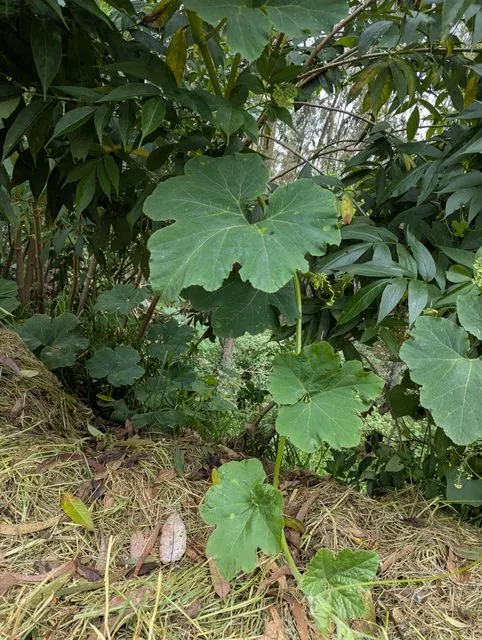
Identidad taxonómica

Scientific name
Cucurbita ficifolia Bouché
Canonical name: The scientific name without its authorship or date, for example Zea mays instead of Zea mays L.
Cucurbita ficifolia
Authorship: The author or authors credited with publishing the scientific name. It is written after the name, sometimes with the year, for example L. (Linnaeus) in Zea mays L. An author in parentheses first published the name in another genus or rank.
Bouché
Common names
Fig-leaved Gourd, Asian pumpkin, Figleaf gourd, Malabar gourd, Pie melon, Thai marrow, blackseed squash, cidra, fig leaf squash, fig-leaf gourd, fig-leafed gourd, shark fin melon, sidra
Names in other languages (46)Alcayota, Carabassera de cabell d'àngel, Cayote, Chila, Chiverre, Courge de Siam, Courge de Siam, Courge à feuilles de figuier, Courge à confiture, Courge à confiture, Dynia figolistna, Feigenblatt-Kürbis, Feigenblatt-Kürbis (DE), Feigenblattkürbis, Figleaf gourd (EN), Fügelevelű tök, Gila, Lacayote (ES), Suca semeze, Vijgenbladpompoen, Vitoria, Zucca Siamese, aboboreira-gila, abóbora-chila, chiclayo, chilacayota, chilacayote, chiuche, chiverri, courge à feuilles de figuier, lacoyote, ndëmi'i, sambo, silacayote, tekvica figolistá, ticati, tykev fíkolistá, viikunakurpitsa, zambo, Тыква фиголистная, بذر القرع, قرع أوراق التين, قرع الحبة السوداء, قرع مالابار, ฟักทองใบไทร, クロダネカボチャ, 魚翅瓜(北瓜), 흑종호박
Kingdom: One of the broadest ranks of biological classification. It groups organisms that share very basic features, for example plants (Plantae), animals (Animalia) or fungi (Fungi).
Plantae
Phylum: Rank below kingdom that groups organisms with a shared general body plan, for example chordates (Chordata), arthropods (Arthropoda) or vascular plants (Tracheophyta). In botany the same rank is also called division.
Tracheophyta
Class: Rank below phylum, for example mammals (Mammalia), birds (Aves), insects (Insecta) or monocot plants such as grasses and orchids (Liliopsida).
Magnoliopsida
Order: Rank below class that groups related families, for example grasses and their relatives (Poales) or bats (Chiroptera).
Cucurbitales
Family: Rank below order that groups related genera. Family names usually end in -aceae in botany (for example Poaceae, the grass family) and in -idae in zoology (for example Felidae, the cat family).
Cucurbitaceae
Genus: Rank that groups closely related species. Its name is the first word of a species' scientific name and starts with a capital letter, for example Zea in Zea mays.
Cucurbita
Specific epithet: The second word of a species' scientific name. On its own it does not name the species: it always goes with the genus, for example mays in Zea mays.
ficifolia
Taxonomic rank: The level a name occupies in the hierarchy of biological classification, such as kingdom, family, genus, species or subspecies.
species
Reference species
Cucurbita ficifolia
Taxonomic status: Whether the taxonomic catalogue the record comes from currently accepts this name for the organism, or treats it as a synonym of another accepted name or as doubtful.
accepted name

Photos and conservation status

IUCN Red List category: The extinction-risk category that the International Union for Conservation of Nature (IUCN) assigns to a species on its Red List. EX Extinct: there is no reasonable doubt that the last individual has died. EW Extinct in the wild: it survives only in cultivation, in captivity or as a population far outside its past range. CR Critically endangered, EN Endangered and VU Vulnerable: the three threatened categories, from an extremely high to a high risk of extinction in the wild. NT Near threatened: close to qualifying as threatened. LC Least concern: evaluated and not threatened. DD Data deficient: there is not enough information to assess its risk. NE Not evaluated: not yet assessed against the criteria. It describes the risk of the species worldwide, not its situation in a project's area.
Not evaluated (NE)
Source: IUCN Red List via GBIF, queried on 2026-10-12 18:07.
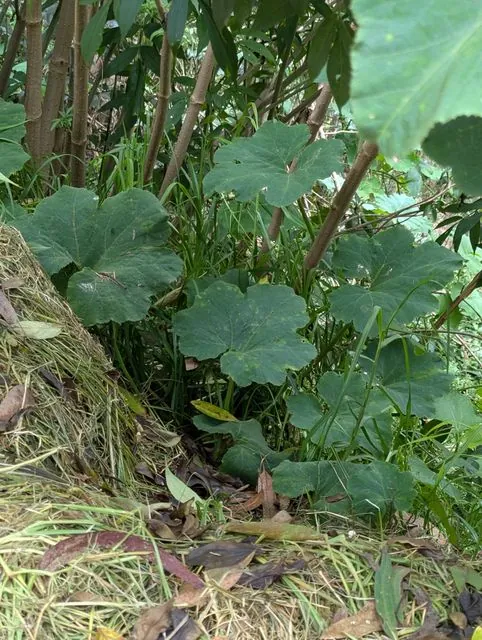
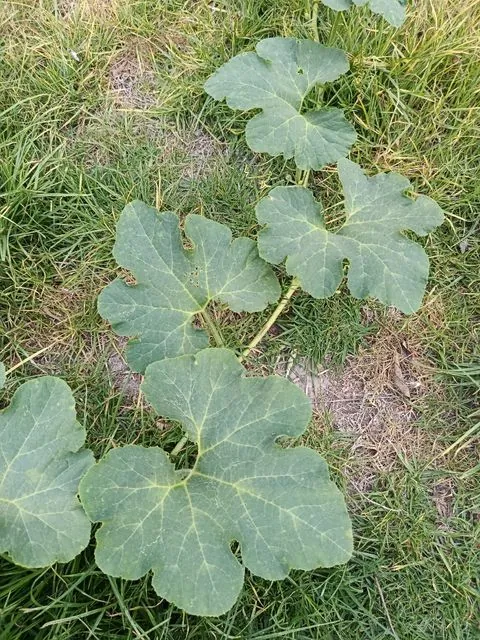
Photo of Cucurbita ficifolia Bouché
Photo: Sebastián Ordóñez · CC BY 4.0 · View original image · Original observation
Photo of Cucurbita ficifolia Bouché
Photo: Ileana Herrera · CC BY 4.0 · View original image · Original observation
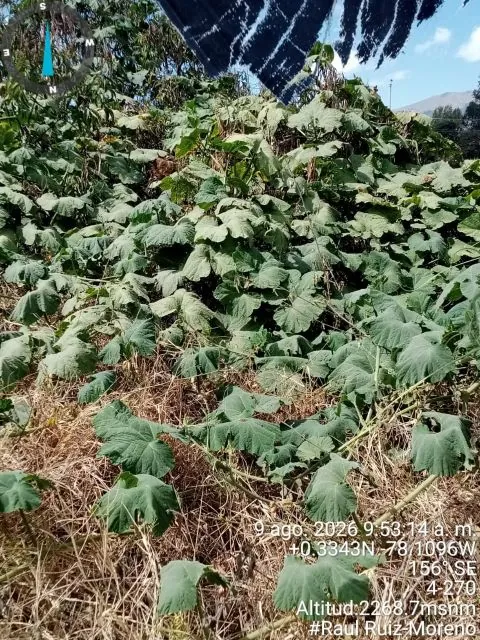
Photo of Cucurbita ficifolia Bouché
Photo: Raúl A. Ruiz M. · CC BY 4.0 · View original image · Original observation
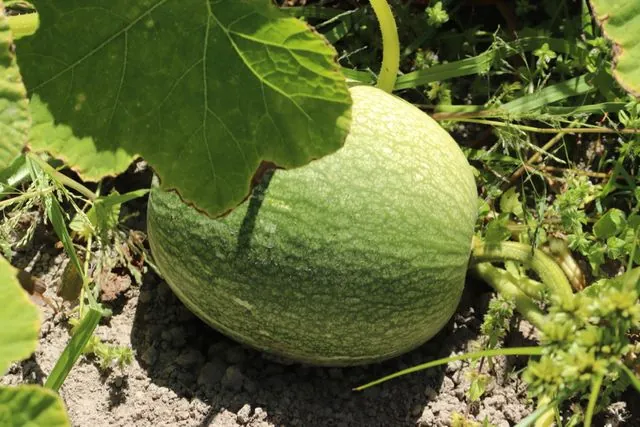
Photo of Cucurbita ficifolia Bouché
Photo: Pluto Hooper · CC BY 4.0 · View original image · Original observation
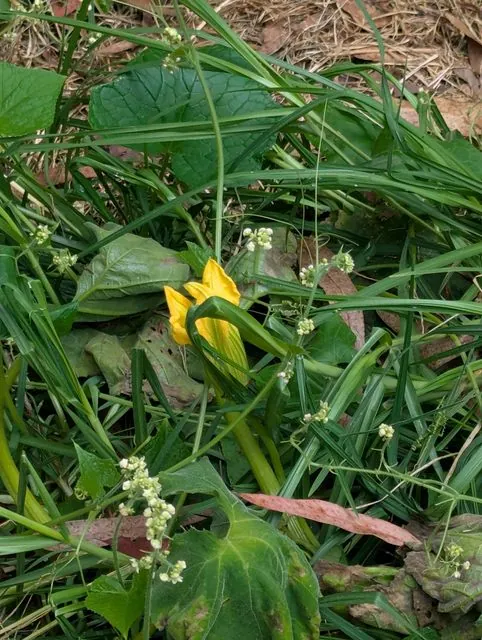
Photo of Cucurbita ficifolia Bouché
Photo: Sebastián Ordóñez · CC BY 4.0 · View original image · Original observation
Photo of Cucurbita ficifolia Bouché
Photo: Sebastián Ordóñez · CC BY 4.0 · View original image · Original observation

Research-grade iNaturalist observations via GBIF, CC0 or CC BY licences only, queried on 2026-10-12 18:07.

Interacciones documentadas

GloBI says it is documented somewhere in the world. Biolitica answers whether it could happen here.

A documented interaction means it was recorded somewhere in the world. It does not mean it occurs here.

Types shown: 5 of 5 has its flowers visited by × is a host of × interacts with × is eaten by × has as a parasite ×

Blocks that do not sit under a navigation concept heading keep the source's own term: no navigation concept has been assigned to them yet.

Flower visit

has its flowers visited by 20 organisms

The authority declares no effect on this species for this term: neither that it harms it nor that it benefits it. Visiting a flower is not pollinating it. «Pollinates» is a different term and a different block, and merging the two is the measured defect that turned ~88 shared «pollinators» into birds and primates.

Organism Reads as Studies Where it was documented Actions
Caenaugochlora Halictidae has its flowers visited by 1 not compared Not a modelling unit: the source publishes it at genus level.
Green Metallic Sweat Bee Augochloropsis metallica Halictidae has its flowers visited by 1 not compared
Fox-colored Stingless Bee Trigona fulviventris Apidae has its flowers visited by 1 not compared
Black Slender-Stingless bee Frieseomelitta nigra Apidae has its flowers visited by 1 not compared
Showing 4 of 20, by number of studies See more of this type

is a host of 13 organisms

The authority declares no effect on this species for this term: neither that it harms it nor that it benefits it. In the source ontology symbiosis covers mutualism, commensalism and parasitism alike, so this block holds attackers and allies side by side.

Organism Reads as Studies Where it was documented Actions
Septoria cucurbitacearum Mycosphaerellaceae is a host of 4 not compared
Erysiphe cichoracearum is a host of 4 no location
veksthusmjøldogg Golovinomyces orontii Erysiphaceae is a host of 2 no location
Oidium sp. pm-103 Erysiphaceae is a host of 1 no location Not a modelling unit: the source did not resolve a species — the name carries an open-nomenclature qualifier.
Showing 4 of 13, by number of studies See more of this type

interacts with 6 organisms

The authority declares no effect on this species for this term: neither that it harms it nor that it benefits it.

Organism Reads as Studies Where it was documented Actions
Encarsia melanostoma Aphelinidae interacts with 2 no location
Encarsia noahi Aphelinidae interacts with 1 no location
Diptera sp. interacts with 1 not compared Not a modelling unit: the source did not resolve a species — the name carries an open-nomenclature qualifier.
Parasitic wasp Encarsia pergandiella Aphelinidae interacts with 1 no location
Showing 4 of 6, by number of studies See more of this type

is eaten by 3 organisms

This term does declare that the organism harms this species.

Organism Reads as Studies Where it was documented Actions
Euphoria basalis Scarabaeidae is eaten by 1 not compared
Campylocentrus pusillus is eaten by 1 no location
European Honey Bee Apis mellifera Apidae is eaten by 1 not compared
Showing 3 of 3, by number of studies

has as a parasite 3 organisms

This term does declare that the organism harms this species.

Organism Reads as Studies Where it was documented Actions
Encarsia melanostoma Aphelinidae has as a parasite 1 no location
Parasitic wasp Encarsia pergandiella Aphelinidae has as a parasite 1 no location
Encarsia noahi Aphelinidae has as a parasite 1 no location
Showing 3 of 3, by number of studies

Acompañantes documentados

This agronomic reading comes from a source reserved for internal use, so it is not shown here.

Documented uses and recommendations

Uses and recommendations that a source documents for this species beside a crop, each in its own context. They are the source's statements, not traits of the species and not Biolítica's recommendations, and none of them is a relation between two species.

Among the sources you can read, none documents a use or recommendation of this species beside a crop.