
Identidad taxonómica
- Scientific name
- Citrus hystrix DC.
- Canonical name: The scientific name without its authorship or date, for example Zea mays instead of Zea mays L.
- Citrus hystrix
- Authorship: The author or authors credited with publishing the scientific name. It is written after the name, sometimes with the year, for example L. (Linnaeus) in Zea mays L. An author in parentheses first published the name in another genus or rank.
- DC.
- Common names
- Celebes papeda, Kaffir lime, Makrut Lime, Mauritius papeda, Porcupine Orange, Thai Bai Makrut, Thai Lime, kaffir-lime, kansi, makrut-lime, papeda
Names in other languages (38)
Combava, Djeroek poeroet, Ghost-lime, Jeruk Purut, Kaffernlimette, Kaffir Misket Limonu, Kaffir lime (EN), Kaffir-Limette, Kaffirlimoen, Kafir-Limette, Limau puruik, Limonka kaffir, Makrut, Makrut-Limette, Mauritius-Papeda, Naranjo amargo, Thaise lemmetjie, Tsoha tendri, Wilde limoen, biasong, citrónovník bodľavý, kabugaw, kabuyaw, kahvri laimipuu, kombava, langdorniger Orangenbaum, lima-de-cafir, makrutlemmetjie, ليم مجعد, কাফির লেবু, มะกรูด, ᨷ᩵ᩤᨠᩕᩪᨯ, コブミカン, 树葫芦, 泰國青檸, 箭叶橙, 馬蜂橙, 马蜂橙 - Kingdom: One of the broadest ranks of biological classification. It groups organisms that share very basic features, for example plants (Plantae), animals (Animalia) or fungi (Fungi).
- Plantae
- Phylum: Rank below kingdom that groups organisms with a shared general body plan, for example chordates (Chordata), arthropods (Arthropoda) or vascular plants (Tracheophyta). In botany the same rank is also called division.
- Tracheophyta
- Class: Rank below phylum, for example mammals (Mammalia), birds (Aves), insects (Insecta) or monocot plants such as grasses and orchids (Liliopsida).
- Magnoliopsida
- Order: Rank below class that groups related families, for example grasses and their relatives (Poales) or bats (Chiroptera).
- Sapindales
- Family: Rank below order that groups related genera. Family names usually end in -aceae in botany (for example Poaceae, the grass family) and in -idae in zoology (for example Felidae, the cat family).
- Rutaceae
- Genus: Rank that groups closely related species. Its name is the first word of a species' scientific name and starts with a capital letter, for example Zea in Zea mays.
- Citrus
- Specific epithet: The second word of a species' scientific name. On its own it does not name the species: it always goes with the genus, for example mays in Zea mays.
- hystrix
- Taxonomic rank: The level a name occupies in the hierarchy of biological classification, such as kingdom, family, genus, species or subspecies.
- species
- Reference species
- Citrus hystrix
- Taxonomic status: Whether the taxonomic catalogue the record comes from currently accepts this name for the organism, or treats it as a synonym of another accepted name or as doubtful.
- accepted name
Photos and conservation status
- IUCN Red List category: The extinction-risk category that the International Union for Conservation of Nature (IUCN) assigns to a species on its Red List. EX Extinct: there is no reasonable doubt that the last individual has died. EW Extinct in the wild: it survives only in cultivation, in captivity or as a population far outside its past range. CR Critically endangered, EN Endangered and VU Vulnerable: the three threatened categories, from an extremely high to a high risk of extinction in the wild. NT Near threatened: close to qualifying as threatened. LC Least concern: evaluated and not threatened. DD Data deficient: there is not enough information to assess its risk. NE Not evaluated: not yet assessed against the criteria. It describes the risk of the species worldwide, not its situation in a project's area.
-
Least concern (LC)
Source: IUCN Red List via GBIF, queried on 2026-10-13 10:57.
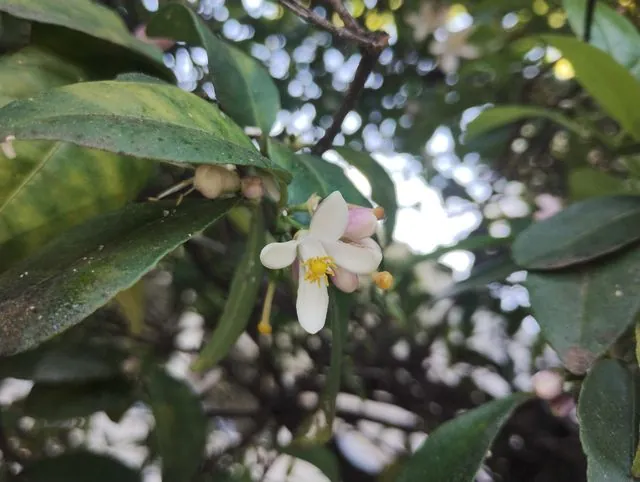
Image not available.
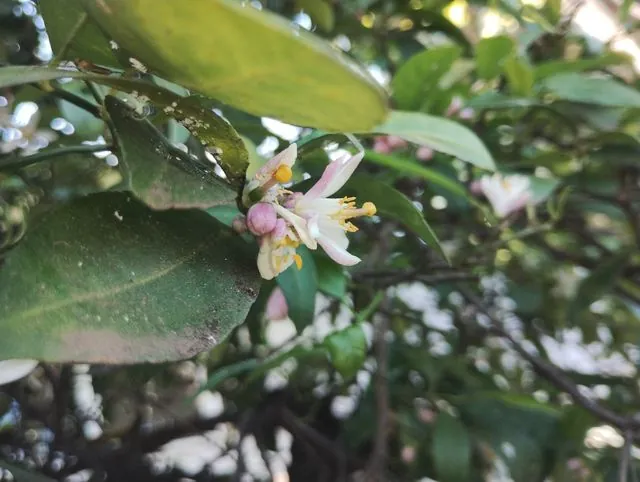
Image not available.
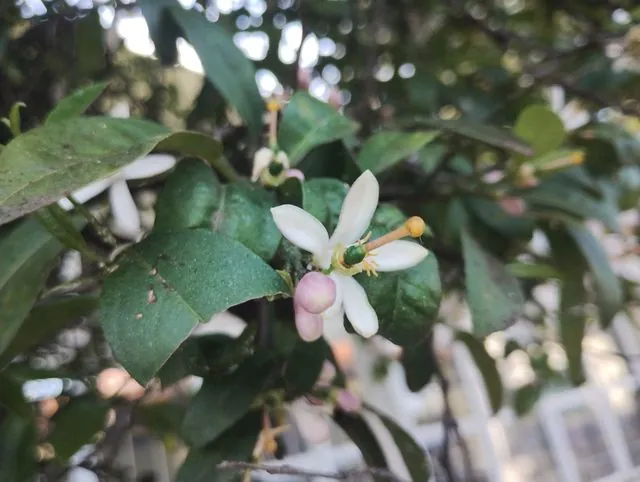
Image not available.
Research-grade iNaturalist observations via GBIF, CC0 or CC BY licences only, queried on 2026-10-13 10:57.